
Graywater Plumbing: A Practical Guide for Homeowners
What is graywater plumbing, and why does it matter?
Graywater plumbing is a dedicated system that captures lightly used household wastewater from showers, bathtubs, bathroom sinks, and laundry machines, then redirects it for reuse rather than sending it straight to the sewer. The key distinction is what it excludes: toilet waste, kitchen sink water, and dishwasher discharge are all classified as blackwater due to their pathogen load and are never part of a graywater recycling system. For Los Angeles homeowners managing water costs and conservation requirements, understanding this system is increasingly practical, not just theoretical.
A basic graywater setup involves diverter valves, collection piping, and a distribution network that routes water to landscape irrigation or, in treated systems, to indoor non-potable fixtures like toilets. The most accessible entry point is the Laundry-to-Landscape (L2L) system, which connects directly to a washing machine drain hose and requires no major plumbing modifications. More complex systems tap into bathroom drain lines and require permits, licensed installation, and compliance with local plumbing codes.
The core benefits are straightforward:
- Reduces potable water demand for irrigation and non-potable indoor uses
- Lowers monthly water bills, particularly in drought-prone regions
- Decreases the volume of wastewater entering municipal sewer systems
- Supports compliance with California water conservation mandates
- Qualifies for rebates in some jurisdictions, including programs administered by the San Francisco Public Utilities Commission
Where does graywater come from, and what is in it?
Graywater originates from four primary household fixtures: showers, bathtubs, bathroom sinks, and clothes washers. Each source contributes a different volume and quality of wastewater, which affects how the water can be safely reused.
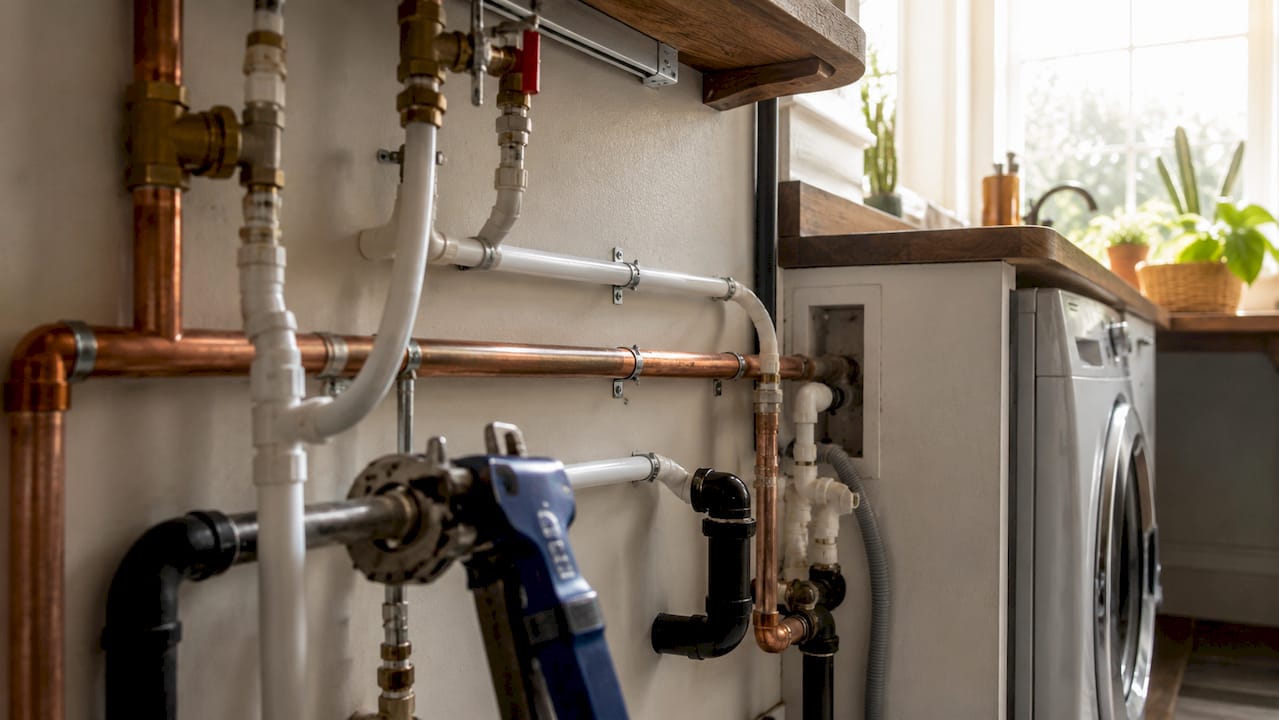
A typical four-person household produces between 50 and 150 gallons of graywater daily. That volume, redirected to landscape irrigation, can reduce overall household water consumption by up to 50% when combined with advanced indoor reuse like toilet flushing. Clothes washers tend to generate the largest single-source volume per cycle, which is why L2L systems are so popular as a starting point.
| Source | Typical Daily Volume | Quality Notes |
|---|---|---|
| Showers and bathtubs | High volume per household | Contains soap, shampoo, body oils; low pathogen risk |
| Bathroom sinks | Moderate volume | Soap, toothpaste residue; generally low contamination |
| Clothes washers | High volume per load | Detergents, lint, occasional bleach; variable pH |
| Kitchen sinks | Not applicable | Classified as blackwater; excluded from all systems |
| Dishwashers | Not applicable | Classified as blackwater; excluded from all systems |
Chemically, graywater is untreated wastewater that contains soaps, detergents, skin cells, and trace organic material, but no fecal matter under normal conditions. Its pH can vary depending on detergent type, and its organic load is low enough that it poses minimal risk when applied correctly to landscaping. The critical caveat is timing: unlike rainwater, graywater cannot be stored long-term in simple diversion systems. Bacterial growth accelerates quickly once the water sits, which is why prompt use is built into every code-compliant design.
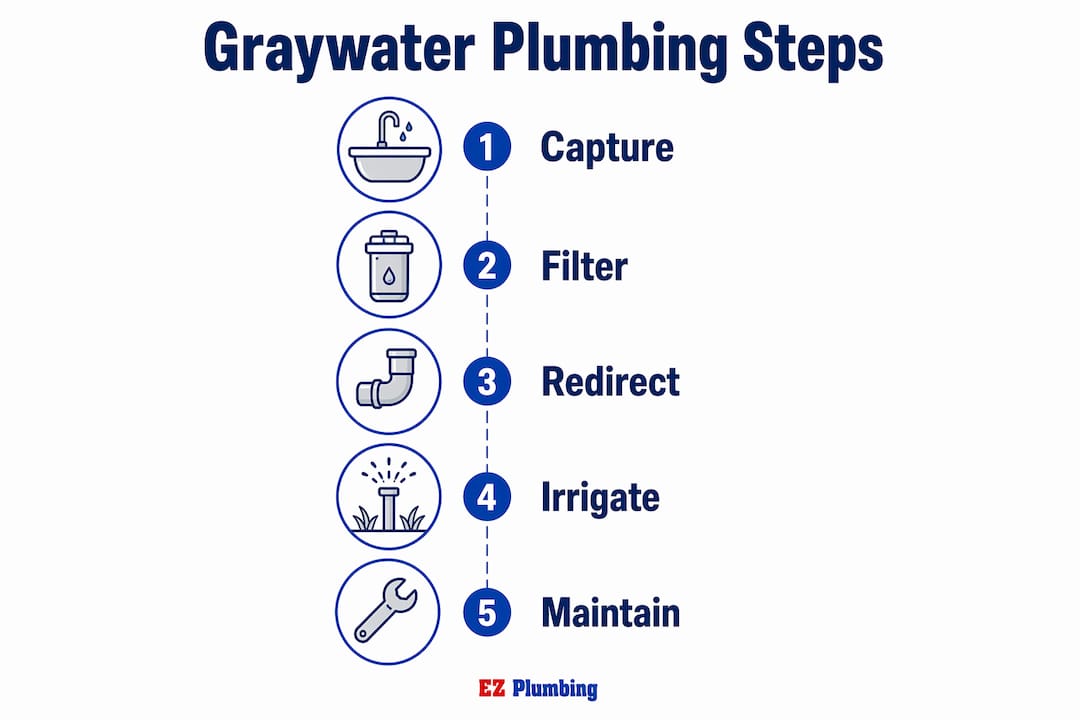
How graywater is used and what benefits it delivers
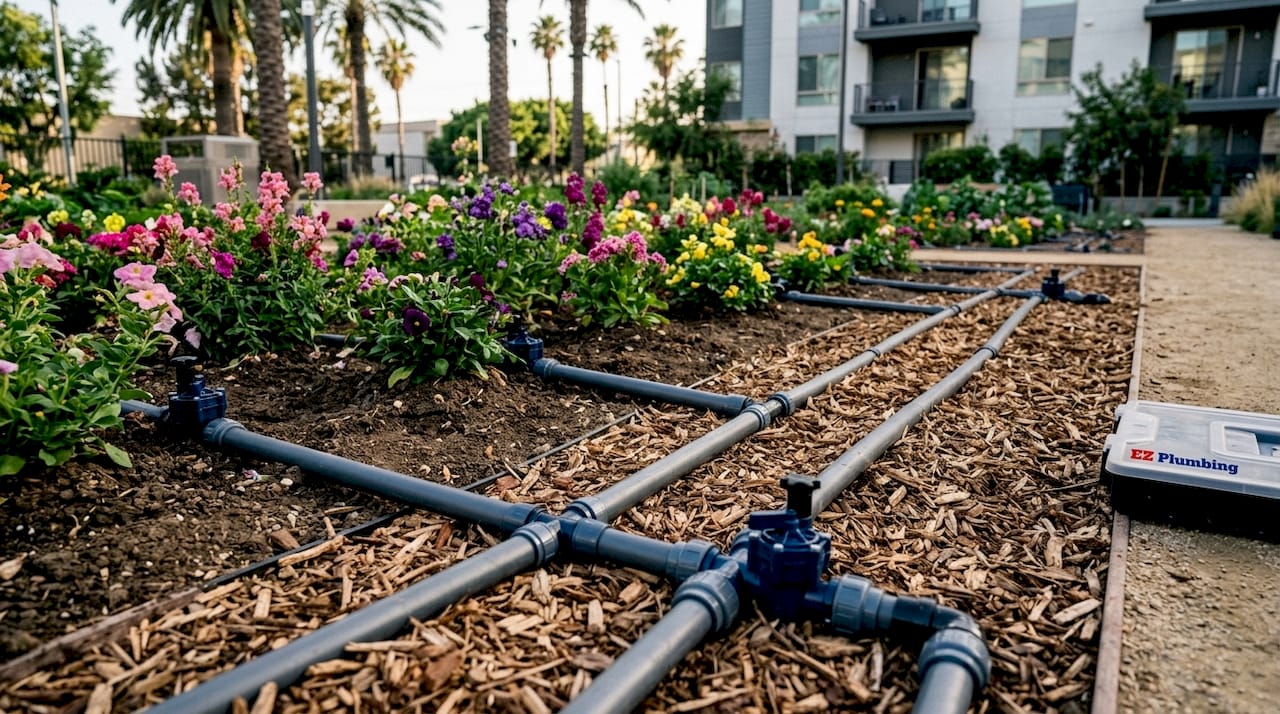
Outdoor subsurface irrigation is the dominant use for residential graywater systems in the United States. Water is distributed below the soil surface through tubing routed to mulch basins or drip emitters, keeping it away from direct human contact while feeding plant root zones. Fruit trees, ornamental shrubs, and lawns are all common recipients, though local codes prohibit applying graywater directly to edible crops or allowing surface ponding.
Advanced treated systems, those certified to NSF/ANSI 350-2014 Class C standards, can bring treated graywater back indoors for toilet flushing. This application pushes water savings further, since toilet flushing accounts for a meaningful share of indoor water use in most homes. The treatment threshold for indoor reuse is substantially higher than for simple outdoor irrigation, and the equipment cost reflects that.
The practical benefits of a well-designed graywater system include:
- Water bill reduction: Replacing potable water with graywater for irrigation cuts the volume of treated municipal water you purchase each month
- Reduced sewer load: Less wastewater entering the municipal system means lower strain on treatment infrastructure, which some utilities reward with rebates
- Drought resilience: A functioning graywater system gives you a reliable irrigation source even during mandatory outdoor watering restrictions, since graywater reuse is typically exempt
- Landscape health: Consistent subsurface irrigation through mulch basin systems supports deeper root development compared to intermittent surface watering
- Environmental benefit: Reducing potable water demand lowers the energy and chemical inputs required for municipal water treatment
The Los Angeles Department of Water and Power actively supports graywater adoption as part of its broader water efficiency programs, and the LADWP’s graywater resources are a reliable starting point for LA-area homeowners researching local incentives.
What permits and regulations apply to graywater systems in the US?
Permit requirements for graywater systems vary by state and system type, but the general framework across US plumbing codes follows a tiered structure based on complexity. California’s approach, codified in the California Plumbing Code, is one of the most detailed in the country and serves as a useful reference point for understanding how these rules typically work.
US plumbing codes recognize three categories of graywater systems, each with different permit requirements:
- Laundry-to-Landscape (L2L): Typically permit-exempt in California when installed according to code guidelines. No cuts into existing drain plumbing are required, since the system connects to the washing machine’s external drain hose. Materials run around $200, with professional installation typically costing $700 to $2,000.
- Simple systems: Collect water from showers, sinks, or bathtubs and require a permit because they involve cutting into existing drain plumbing. Single-family residences are the typical eligible structure.
- Complex systems: Include pumped distribution, treatment components, or indoor reuse. These require full permits, licensed plumbing work, and often inspections.
Outside California, states like Utah have adopted their own tiered frameworks. Massachusetts routes graywater oversight through the Massachusetts Board of State Examiners of Plumbers and Gasfitters and the Massachusetts Department of Environmental Protection, which administers reclaimed water regulations under 314 CMR 20.00. Any homeowner in Massachusetts considering a graywater system should confirm current requirements with both agencies before proceeding.
Across all jurisdictions, common code requirements include:
- Clear labeling of all graywater pipes to distinguish them from potable lines
- Backflow prevention devices to protect the potable water supply
- Prohibition on graywater contact with edible crops or food-preparation surfaces
- No surface ponding or runoff onto neighboring properties
- Compliance with local plumbing code requirements for pipe materials and connections
Health, safety, and installation: what you need to know before starting
The single most critical safety requirement in any graywater system is complete physical separation between graywater lines and potable water lines. Cross-contamination, even brief, can introduce pathogens into drinking water. Backflow prevention devices and properly installed diverter valves are the mechanical safeguards that make this separation reliable.
Three-way diverter valves serve a second important function beyond routing water to the landscape. When you use bleach, harsh drain cleaners, or other chemicals that should not enter the soil, flipping the diverter sends that wash cycle directly to the sewer instead. This fail-safe is built into every code-compliant L2L installation and is not optional. Graywater must not be stored longer than 24 hours in simple diversion systems, because bacterial populations multiply rapidly in warm, nutrient-rich wastewater. Simple systems are designed to move water immediately, not hold it.
For outdoor irrigation, mulch basins with at least 2 inches of soil cover over the distribution area prevent surface ponding, control odors, and satisfy health code requirements. These basins need periodic maintenance: the organic mulch material compacts over time and must be replenished to maintain adequate absorption. Neglecting this step is one of the most common reasons graywater systems develop odor problems or fail inspections.
Pro Tip: If you are considering a graywater system beyond a basic L2L setup, get a licensed plumber to assess your existing drain configuration before purchasing any equipment. Most existing homes combine graywater and blackwater in a single drain stack, and separating those streams in a retrofit can add significantly to your project cost.
| System Type | Typical Material Cost | Professional Install Cost | Permit Required | Complexity |
|---|---|---|---|---|
| Laundry-to-Landscape (L2L) | ~$200 | $700–$2,000 | Usually no | Low |
| Simple (shower/sink) | Higher | Varies by scope | Yes | Moderate |
| Complex (treated/indoor reuse) | Highest | Varies by scope | Yes | High |
Retrofitting graywater plumbing into an existing home is more involved than most homeowners expect. Because standard residential construction routes all drain lines into a single combined stack, separating graywater from blackwater requires cutting into existing plumbing, rerouting pipes, and installing new collection points. New construction is far more cost-effective for advanced systems, since dedicated graywater drain lines can be roughed in during the initial build. For advanced systems that include indoor reuse such as toilet flushing, NSF/ANSI 350-2014 Class C certification is the recognized treatment standard, and only equipment meeting that certification qualifies for code-compliant indoor non-potable reuse.
Professional installation is strongly recommended for anything beyond a basic L2L system. The combination of permit requirements, backflow prevention specifications, pipe labeling rules, and drain separation work puts these projects firmly in licensed-plumber territory. Ez-plumbing’s team handles residential plumbing modifications of exactly this type throughout the greater Los Angeles area, with full familiarity with California Plumbing Code Chapter 15 and LA municipal requirements.
Key Takeaways
Graywater plumbing captures wastewater from showers, laundry, and bathroom sinks, then redirects it for irrigation or non-potable indoor use, substantially cutting household water demand when implemented correctly.
| Point | Details |
|---|---|
| Graywater sources | Showers, bathtubs, bathroom sinks, and clothes washers only; kitchen sinks and dishwashers are excluded. |
| Daily volume potential | A four-person household produces 50–150 gallons of graywater daily, enough to supply most landscape irrigation needs. |
| Permit requirements | L2L systems are typically permit-exempt; simple and complex systems require permits and licensed installation. |
| 24-hour storage limit | Graywater must be used within 24 hours in simple systems to prevent bacterial growth. |
| NSF/ANSI 350-2014 standard | Class C certification is required for any graywater system used for indoor non-potable reuse such as toilet flushing. |
Ready to explore plumbing upgrades for your home?
Ez-plumbing serves homeowners and property managers throughout the greater Los Angeles area with licensed, code-compliant plumbing work, from graywater-related drain modifications to full residential plumbing upgrades. Whether you are planning a bathroom renovation that could incorporate graywater-ready drain routing or need a licensed assessment of your current system, Ez-plumbing’s team brings the local code knowledge and hands-on experience to get it done right. Explore Ez-plumbing’s residential plumbing services or contact the team directly to discuss your project.