
Plumbing Dos and Don’ts Every Homeowner Must Know
Plumbing dos and don’ts are the essential guidelines every homeowner and renter needs to maintain a safe, efficient home plumbing system. Ignore them and you risk water waste, structural damage, and repair bills that dwarf the cost of simple prevention. The good news is that most plumbing problems follow a predictable pattern: a small issue gets overlooked, a quick fix gets applied, and weeks later a much larger problem surfaces. Understanding the right practices, from the water meter test to proper valve maintenance, puts you in control before that pattern starts.
1. What are the key plumbing dos every homeowner should follow?
The most effective plumbing best practices center on regular inspection, gentle maintenance, and knowing your system before anything goes wrong.
Run the water meter test monthly. Turn off every water-consuming appliance in your home, record the meter reading, and check it again after two hours of no use. If the number moves, you have a hidden leak somewhere in the system. This test costs nothing and catches slow leaks that would otherwise go undetected for months.
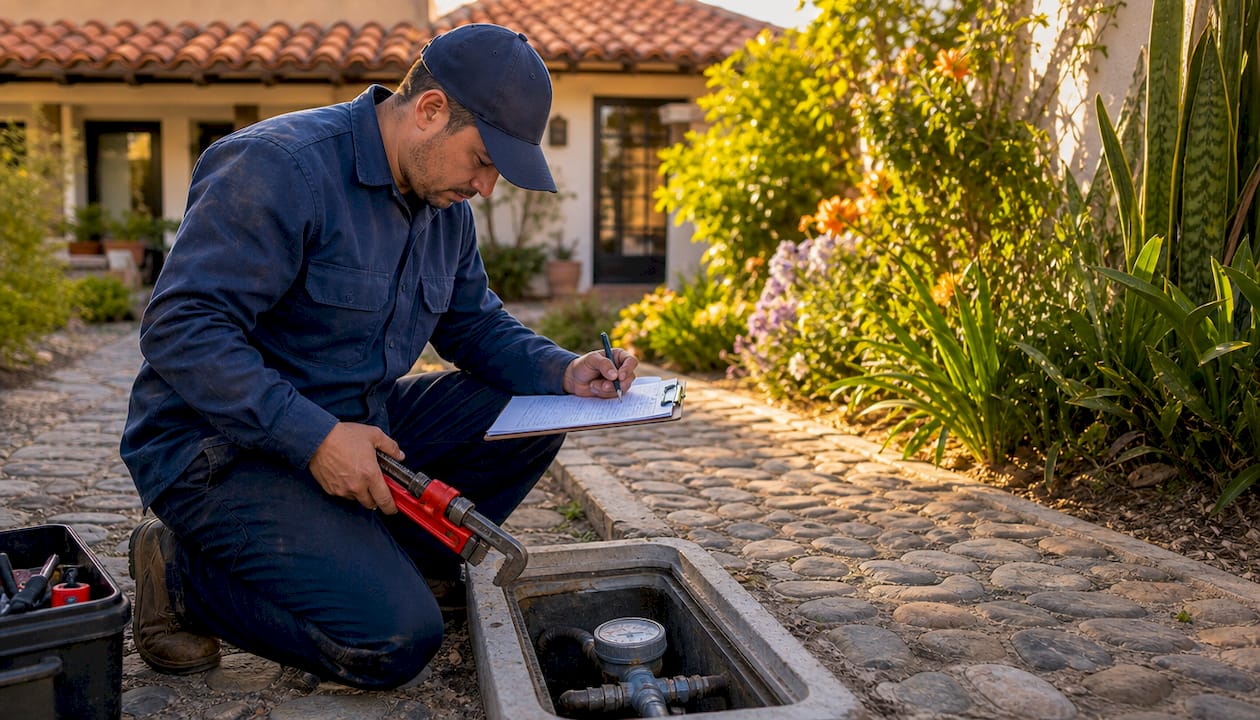
Test your toilet for silent leaks. A leaking toilet can waste up to 200 gallons of water per day without making a sound. Drop six drops of food coloring into the tank, wait 15–20 minutes, and check the bowl. Color in the bowl confirms a faulty flapper that needs replacing.
Clean drains with baking soda and vinegar. Pour half a cup of baking soda followed by half a cup of white vinegar down the drain, let it sit for 30 minutes, then flush with hot water. This method breaks down grease and soap buildup without corroding your pipes.
Exercise your shutoff valves twice a year. Shutoff valves seize from mineral deposits when left untouched. Turn each valve fully off and back on every six months so they stay operable when you need them most, such as during a burst pipe emergency.
Flush your water heater annually. Sediment accumulates at the bottom of the tank over time, reducing efficiency and shortening the unit’s lifespan. An annual flush removes that buildup and keeps the heater running at full capacity.
Pro Tip: Label every shutoff valve in your home with a tag showing which fixture it controls. During an emergency, you will not have time to guess.
2. What plumbing mistakes should homeowners and renters avoid?
Common plumbing mistakes fall into two categories: things you put down your drains and things you do to your pipes and fittings. Both categories cause serious damage.
Never use chemical drain cleaners. Products like liquid drain openers cause cumulative, irreversible corrosion in older metal pipes. They also create dangerous conditions for any plumber who needs to work on those pipes afterward, since residual chemicals can splash back during repairs. Natural methods and mechanical clearing are always the better choice. For a full breakdown of the risks, read Ez-plumbing’s guide on chemical drain cleaner dangers.
Do not pour grease down the drain. Cooking grease solidifies as it cools and coats the inside of your pipes. Over time, that coating narrows the pipe diameter until a full blockage forms. Pour grease into a container, let it solidify, and throw it in the trash.
Stop flushing “flushable” wipes. Despite the label, flushable wipes do not disintegrate the way toilet paper does. They are a leading cause of sewer backups that require professional clearing. Toilet paper is the only paper product designed to break down in a residential sewer system.
Do not over-tighten fittings. Over-tightening cracks plastic components or strips threads, creating hidden leaks that appear days or weeks after the repair. Snug is enough. If a fitting leaks after hand-tightening, the problem is usually a worn washer or bad seal, not insufficient torque.
Never ignore a small leak. Mold conditions develop in as little as 24–48 hours from a slow, ignored leak. What looks like a minor drip under a sink can destroy cabinet wood, subfloor material, and drywall within days. Address any visible moisture immediately.
Avoid temporary fixes as permanent solutions. Epoxy putty and tape wraps mask corrosion and cause silent water damage behind walls and under cabinets. Professional plumbers classify these as dangerous because they hide the root cause while moisture continues to destroy structural elements.
Pro Tip: Keep a photo log of your exposed plumbing twice a year. Comparing photos side by side reveals slow-developing corrosion or staining that is easy to miss in real time.
3. How to detect and address leaks effectively
Early leak detection is the single most cost-effective plumbing practice available to homeowners. Most expensive repairs begin as small issues overlooked or patched improperly, making early intervention the clearest path to saving money.
The water meter test and the toilet food coloring test cover the two most common sources of hidden water loss in a home. Run both tests quarterly, not just when you suspect a problem. Silent leaks in supply lines and toilet flappers account for a significant share of residential water waste, and neither produces an obvious sign until the damage is already done.
Watch for secondary indicators of developing leaks: soft spots in flooring, bubbling paint on walls or ceilings, a musty odor in enclosed spaces, and unexplained spikes in your water bill. Any one of these signals warrants a thorough inspection. Ez-plumbing’s guide on detecting hidden water leaks walks through each diagnostic step in detail.
DIY repairs are appropriate for minor issues like replacing a toilet flapper, tightening a supply line connection, or swapping a worn faucet washer. Call a licensed plumber when you find water behind walls, when a leak returns after repair, or when the source of the leak is unclear. Delaying professional help on a concealed leak is the fastest way to turn a $200 repair into a $2,000 one. For guidance on when to act yourself, Ez-plumbing’s DIY pipe repair guide covers the boundary clearly.
4. How to maintain your home plumbing system for long-lasting performance
A consistent maintenance routine prevents the majority of plumbing emergencies before they start. The following practices form the foundation of sound plumbing upkeep for any residential property.
Winterize exposed pipes before cold weather arrives. In Los Angeles, hard freezes are rare but not impossible, particularly in hillside neighborhoods and the San Fernando Valley. Insulate any pipes in unheated spaces like garages or crawl spaces before temperatures drop.
Inspect and clean P-traps under sinks twice a year. P-traps are the curved pipe sections under every sink drain. They hold a small amount of water that blocks sewer gas from entering your home. Hair, soap scum, and debris collect there and slow drainage long before a full clog forms.
Schedule an annual water heater inspection. Check the anode rod, inspect the pressure relief valve, and flush sediment from the tank. A water heater that receives annual attention routinely lasts several years longer than one that is ignored. If you are considering an upgrade, Ez-plumbing’s water heater installation guide covers both tank and tankless options for Los Angeles homes.
Follow local code requirements for any DIY work. Los Angeles municipal plumbing code governs pipe materials, fixture installation, and permit requirements. Work done outside of code can void your homeowner’s insurance and create liability issues when you sell the property. When in doubt, pull a permit or call a licensed contractor.
Check supply lines to washing machines and dishwashers annually. Rubber supply hoses degrade over time and are a common source of sudden, high-volume leaks. Replace rubber hoses with braided stainless steel versions, which resist cracking and last significantly longer. For a broader look at warning signs of plumbing problems, Ez-plumbing’s resource covers the indicators most homeowners miss until it is too late.
Know where your main shutoff valve is located. Every adult in your household should be able to find and operate the main water shutoff within 60 seconds. In a burst pipe situation, those seconds matter.
Key Takeaways
The most effective approach to home plumbing is combining regular inspection habits with a clear understanding of which DIY repairs are safe and which require a licensed professional.
| Point | Details |
|---|---|
| Run the water meter test | Turn off all water, record the meter, and recheck after two hours to find hidden leaks. |
| Never use chemical drain cleaners | They corrode older pipes and create hazards for any plumber who works on them later. |
| Exercise shutoff valves twice a year | Regular turning prevents mineral buildup from seizing valves during emergencies. |
| Act on small leaks immediately | Mold can develop within 24–48 hours of a slow leak, causing rapid structural damage. |
| Match DIY repairs to your skill level | Minor fixes are safe to handle yourself; concealed or recurring leaks need a licensed plumber. |
What I’ve learned from years of plumbing calls in Los Angeles
The calls we receive at Ez-plumbing follow a pattern so consistent it is almost predictable. A homeowner notices a slow drain or a small drip, decides it is not urgent, and applies a temporary fix. Six weeks later, we are cutting into drywall to address water damage that has been spreading silently since that first sign appeared.
The single most valuable shift a homeowner can make is treating small plumbing symptoms the way a doctor treats early warning signs. You would not ignore chest tightness for six weeks. A drip under your kitchen sink deserves the same urgency, because the cost of waiting is rarely proportional to the cost of acting early.
The other pattern I see constantly is over-reliance on chemical drain cleaners. Homeowners reach for them because they are fast and require no tools. But in older Los Angeles homes with galvanized or cast iron pipes, those products accelerate corrosion that was already underway. By the time the pipe fails, the damage is far more extensive than the original clog ever was.
My honest recommendation: learn the water meter test, the toilet dye test, and how to locate every shutoff valve in your home. Those three things alone will prevent the majority of plumbing emergencies I respond to. For everything beyond that, call a licensed plumber before the problem gets a chance to grow.
— EZ
Ez-plumbing is here when DIY reaches its limit
When a plumbing issue goes beyond what a homeowner can safely handle, Ez-plumbing provides licensed, code-compliant service across the greater Los Angeles area.
Ez-plumbing (C-36 License #583868) handles professional leak detection, drain cleaning services, water heater installation, repiping, and sewer line repair for both residential and commercial properties. Whether you need a camera inspection to locate a hidden leak or a full water heater replacement, the team is fully insured and familiar with LA municipal code requirements. Save the number before you need it. Plumbing emergencies rarely wait for a convenient time, and having a trusted, licensed contractor on call is one of the most practical steps any homeowner can take.
FAQ
What is the water meter test for leak detection?
The water meter test involves turning off all water-consuming appliances, recording the meter reading, and checking it again after two hours. A change in the reading confirms a hidden leak somewhere in the system.
Are “flushable” wipes safe to flush?
No. Flushable wipes do not break down like toilet paper and are a leading cause of sewer backups. Only flush toilet paper.
How quickly can a small leak cause mold?
Mold can develop within 24–48 hours of a slow, unaddressed leak, depending on ventilation. Address any visible moisture the same day you find it.
Why should I avoid chemical drain cleaners?
Chemical drain cleaners cause irreversible corrosion in metal pipes and create hazardous conditions for plumbers during emergency repairs. Natural alternatives like baking soda and vinegar, or mechanical clearing, are safer for your pipes and your plumber.
When should I call a plumber instead of doing it myself?
Call a licensed plumber when a leak is behind a wall, when a repair fails a second time, or when you cannot identify the source. Early professional intervention consistently costs less than repairing damage from a delayed or improper fix. You can review emergency plumbing warning signs to help you decide when the situation has moved beyond DIY territory.