
Warning Signs of Plumbing Problems in Your Home
Signs of plumbing problems are observable symptoms your home’s plumbing system sends before a minor issue becomes a major repair. Household leaks waste nearly 1 trillion gallons of water annually across the U.S., and most of that waste starts with symptoms homeowners either miss or ignore. Dripping faucets, discolored water, slow drains, and unusual pipe noises are not random inconveniences. They are plumbing issue indicators pointing to specific failures inside your walls, under your floors, or deep in your sewer line. Catching these signals early is the difference between a $200 repair and a $10,000 restoration.
1. Persistent drips from faucets or fixtures
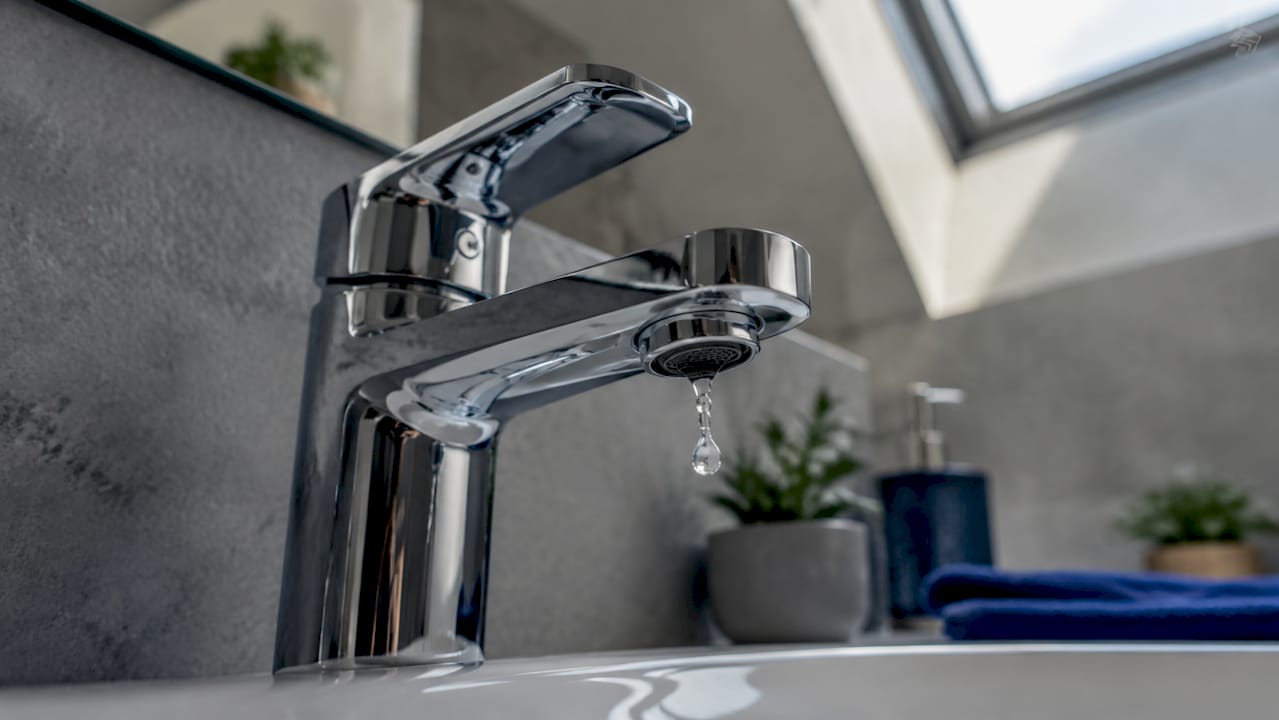
A dripping faucet is the most common and most underestimated sign you need a plumber. A single faucet dripping once per second wastes more than 3,000 gallons of water per year, which is enough to fill a standard backyard pool. That volume of waste points directly to worn washers, damaged valve seats, or deteriorating O-rings inside the fixture. In older Los Angeles homes, persistent drips in galvanized or copper pipes often signal interior narrowing from corrosion and mineral scale, making an isolated fixture fix ineffective without addressing the pipe condition underneath.
Pro Tip: Turn off all water-using appliances and check your water meter. If the dial still moves, you have an active leak somewhere in the system, even if you cannot see it.
2. Discolored or rusty water
Brown, orange, or yellow water coming from your taps is a direct sign of corrosion inside your pipes or water heater. Inside pipe corrosion narrows pipe diameter over time, causing both pressure loss and visible discoloration, particularly in galvanized steel and aging copper pipes. If the discoloration appears only when you run hot water, the source is likely your water heater tank. If it appears on both hot and cold lines, the problem is in the supply pipes themselves. Either way, discolored water is not safe to drink and signals a plumbing system that needs professional evaluation.
3. Low water pressure across multiple fixtures
Reduced water pressure in a single fixture usually means a clogged aerator or showerhead, which you can clean yourself. Low pressure across multiple fixtures throughout the house is a different problem entirely. It points to a supply line obstruction, a failing pressure regulator, or advanced galvanized corrosion that has narrowed the pipe interior to the point where flow is restricted. In Los Angeles, homes built before 1960 with original galvanized steel pipes are especially prone to this pattern. Widespread pressure loss is one of the clearest symptoms of plumbing failure that warrants a camera inspection before any repair work begins.
4. Slow drainage in sinks, tubs, or showers
A single slow drain is typically a localized clog from hair, grease, or soap buildup. When multiple drains throughout your home run slowly at the same time, that pattern points to a blockage or failure in the main sewer line rather than individual fixture traps. Tree root intrusion into clay sewer laterals is a frequent cause in older LA neighborhoods, where mature trees and aging underground pipes share the same soil. Hydro-jetting can clear most organic blockages, but a camera inspection is the only way to confirm whether root intrusion or pipe collapse is the underlying cause. Learn more about common plumbing problems specific to LA residential properties.
5. Unusual pipe noises like banging or gurgling
Banging sounds inside your walls when you turn off a faucet are called water hammer, and they are not harmless. Unusual pipe noises like banging indicate pressure imbalance that can damage pipe joints and lead to leaks over time. Homeowners frequently misinterpret this noise as a minor quirk of older construction, but it signals dangerously high water pressure that stresses every joint and connection in the system. Gurgling sounds from drains or toilets after flushing indicate a venting problem or a partial sewer blockage. Both sounds deserve attention before they escalate into burst pipes or sewage backup.
6. Unexplained wet spots, stains, or soft flooring
Water stains on ceilings, wet patches on walls, or soft spots in flooring are warning signs of leaks that have been active long enough to saturate building materials. These hidden leaks are often more damaging than visible ones because they promote mold growth inside wall cavities and weaken structural framing before anyone notices. A stain that appears after rain is likely a roof issue, but a stain that appears without weather correlation points directly to a plumbing supply or drain line. If you spot discoloration on a ceiling below a bathroom, the source is almost always a wax ring failure, a supply line connection, or a cracked drain pipe. Knowing how to detect water leaks before they cause structural damage can save thousands in remediation costs.
7. Persistent musty or sewage odors
A sewage smell inside your home is never normal and always requires investigation. Sewer line problems produce gurgling sounds and sewage odors that signal urgent plumbing failure and potential contamination risk. Sewer gas contains hydrogen sulfide, which is both toxic and flammable at certain concentrations. A musty odor without a sewage component often indicates a slow leak feeding mold growth inside a wall or under a subfloor. Both odor types are symptoms of plumbing failure that require professional diagnosis, not air fresheners or temporary masking.
Pro Tip: Check the P-traps under sinks and in floor drains. A dried-out P-trap allows sewer gas to enter the living space. Running water through infrequently used drains monthly keeps the trap seal intact.
8. Unusually high water bills
A sudden spike in your water bill without a change in household usage is one of the most reliable plumbing issue indicators for hidden leaks. A supply line leak inside a wall or under a slab can release hundreds of gallons per day without producing any visible water at the surface. Compare your current bill to the same month in the prior year to account for seasonal variation. If the increase exceeds 20 to 30 percent with no explanation, contact a licensed plumber for leak detection. Ez-plumbing uses electronic leak detection and pressure testing to locate slab leaks and concealed supply line failures without unnecessary demolition.
9. Minor repairs vs. systemic plumbing failure
Knowing when a repair is sufficient and when the entire system needs replacement is the most consequential judgment call in residential plumbing.
| Sign | Likely diagnosis |
|---|---|
| Single dripping faucet | Worn washer or valve seat, repairable |
| One slow drain | Localized clog, cleanable |
| One pinhole leak in a pipe | Isolated repair event |
| Two or more leaks in 12 months across different locations | Systemic pipe degradation, repipe indicated |
| Low pressure across all fixtures | Widespread corrosion or supply line failure |
| Discolored water on all lines | Pipe material failure, repipe likely needed |
A single pinhole leak is a repair event. Two or more leaks appearing in different locations within a 12-month period indicate systemic pipe degradation that spot repairs cannot resolve. The pipe material itself is failing, and patching individual sections only delays the inevitable while the damage spreads.
10. Signs you need repiping based on pipe material and age
Pipe material and age are the two most reliable predictors of whether your plumbing system is approaching the end of its service life. Homes with original polybutylene pipes installed between 1978 and 1995, or copper pipes older than 50 to 55 years, face a high risk of systemic failure. Galvanized steel pipes, common in homes built before 1960, corrode from the inside out, producing rust-colored water and progressive pressure loss as the interior diameter shrinks.
Signs that point toward repiping rather than repair include:
- Rust-colored water appearing consistently on cold and hot lines
- Pressure loss that worsens over months rather than staying stable
- Multiple pinhole leaks in different pipe sections within a single year
- Visible green or white mineral deposits on exposed copper fittings
- Polybutylene pipes anywhere in the system, regardless of current condition
Pro Tip: Locate your home’s original building permits or inspection records to identify the pipe material used. In Los Angeles, the Department of Building and Safety (LADBS) maintains permit records online. Knowing your pipe type and installation year tells you exactly where you stand on the service life timeline.
11. Plumbing maintenance tips to catch problems before they escalate
Proactive maintenance is the most cost-effective approach to avoiding emergency repairs. Follow these steps to stay ahead of common plumbing problems:
- Test your main water shut-off valve twice a year. A valve that seizes when you need it most turns a manageable leak into a flood. Review the main water shut-off steps before an emergency forces you to learn them under pressure.
- Inspect all visible pipes under sinks and in utility areas for corrosion, moisture, or mineral deposits every six months.
- Monitor water pressure with an inexpensive gauge attached to an outdoor hose bib. Residential pressure should read between 40 and 80 PSI. Readings above 80 PSI accelerate joint wear and increase the risk of water hammer.
- Run water through every drain in the house monthly, including floor drains and guest bathroom fixtures, to keep P-trap seals intact and catch slow drainage early.
- Schedule a professional camera inspection every three to five years if your home has pipes older than 30 years or a history of tree root intrusion. Review essential plumbing maintenance tips tailored specifically for Los Angeles homes and their unique soil and water conditions.
When water contacts electrical components or an active sewage backup occurs, immediate professional emergency response is required. These situations go beyond plumbing repair and carry direct safety risks that require licensed intervention.
Key takeaways
Recognizing signs of plumbing problems early, from persistent drips and discolored water to sewage odors and multiple leaks, prevents minor issues from becoming structural failures that cost far more to repair.
| Point | Details |
|---|---|
| Drips signal system stress | A faucet dripping once per second wastes over 3,000 gallons annually and often indicates deeper pipe corrosion. |
| Multiple leaks mean repipe | Two or more leaks in different locations within 12 months indicate systemic failure, not isolated incidents. |
| Hidden signs cost the most | Wet spots, high water bills, and sewage odors point to concealed leaks or sewer failures that worsen silently. |
| Pipe age determines risk | Polybutylene, galvanized steel, and copper pipes over 50 years old require proactive inspection, not reactive repair. |
| Maintenance prevents emergencies | Testing shut-off valves, monitoring pressure, and scheduling camera inspections catches failures before they escalate. |
What experience has taught me about reading your home’s plumbing signals
Most homeowners call us after the damage is already done. The ceiling stain has been there for three months. The banging noise started last winter. The water bill crept up $40 a month for six months before anyone looked at it. Every one of those situations had warning signs that were visible and audible weeks or months before the call came in.
The misconception I see most often is treating pipe noises as a quirk of an older house. Water hammer is not a personality trait of your plumbing. It is a measurable pressure problem that is stressing every joint in the system every time it happens. The same goes for sewage odors. Homeowners assume a smell will go away on its own. Sewer line issues are often mistaken for simple clogs but require urgent professional attention to prevent contamination. That smell is sewer gas, and it does not resolve without addressing the source.
The other thing worth saying plainly: failing to locate your main shut-off valve before an emergency is one of the most expensive mistakes a homeowner can make. Know where it is. Test it. Make sure it actually closes. That single step can limit a burst pipe to a manageable repair instead of a flooded subfloor.
If your home has original pipes and you have never had a camera inspection, schedule one. Not because something is necessarily wrong, but because knowing the condition of your system gives you options. Reactive plumbing is always more expensive than planned maintenance.
— EZ
How Ez-plumbing helps you identify and fix plumbing problems

Ez-plumbing serves the greater Los Angeles area with licensed leak detection, drain cleaning, repiping, and sewer line repair. If you have noticed any of the signs described above, our team uses electronic leak detection and camera inspection technology to locate problems without unnecessary demolition. Our professional leak detection services stop water waste at the source and protect your home from the structural damage that hidden leaks cause over time. For drain and sewer issues, our drain cleaning service uses hydro-jetting to clear blockages that standard snaking cannot reach. Ez-plumbing holds C-36 License #583868 and operates fully insured and code-compliant with LA municipal requirements. Call us before a warning sign becomes a water damage claim.
FAQ
What are the first signs of a plumbing problem?
The earliest signs of plumbing problems are persistent drips, slow drains, and low water pressure. A faucet dripping once per second wastes over 3,000 gallons annually and signals worn internal components or pipe corrosion.
How do I know if I need repiping instead of a repair?
Two or more leaks in different locations within 12 months indicate systemic pipe degradation that spot repairs cannot fix. Homes with polybutylene pipes from 1978 to 1995 or copper pipes older than 50 years are at high risk and should be professionally inspected.
What does a sewage smell inside my home mean?
A sewage odor inside your home signals a broken P-trap seal, a cracked sewer line, or a sewer gas leak from a damaged vent pipe. This requires urgent professional investigation because sewer gas contains hydrogen sulfide, which is toxic at elevated concentrations.
Can a high water bill indicate a plumbing problem?
Yes. A water bill increase of 20 to 30 percent or more without a change in usage is a reliable indicator of a hidden supply line leak, a running toilet, or a slab leak. Electronic leak detection can locate the source without opening walls.
When should I call a plumber immediately?
Call a plumber immediately when water contacts electrical components, sewage backs up into fixtures, or a pipe bursts. These situations carry direct safety risks and require licensed emergency response rather than DIY intervention.