
Why Maintain Drain Lines: A Los Angeles Homeowner’s Guide
Drain line maintenance is defined as the regular cleaning, inspection, and preventive care of the pipes that carry wastewater out of your home. Knowing why maintain drain lines matters is the difference between a plumbing system that serves you reliably for decades and one that fails at the worst possible moment. For Los Angeles homeowners and property managers, the stakes are higher than most. Aging clay sewer laterals, aggressive tree root growth from mature ficus and pepper trees, and hard water mineral buildup create a combination of stress on pipes that demands consistent attention. Tools like hydro jetting, drain snaking, and camera inspection are the front line of defense.
What are the main benefits of maintaining drain lines regularly?
Regular drain line maintenance delivers measurable financial and health benefits that most homeowners underestimate until something goes wrong.
The most direct financial benefit is lower water bills. The EPA notes that fixing household leaks can save approximately 10% on water bills. Partial blockages create back pressure that stresses pipe joints and accelerates small leaks, so clearing those blockages removes the source of the problem rather than just the symptom.
Beyond water bills, proactive drain maintenance reduces lifetime plumbing costs by up to 70% and nearly eliminates emergency sewage backups. That figure reflects the compounding cost of ignored maintenance: a $150 hydro jetting service today prevents a $3,000 sewer line excavation next year. Property managers overseeing multi-unit buildings in neighborhoods like Silver Lake or Koreatown feel this math acutely, where one backup can displace multiple tenants.
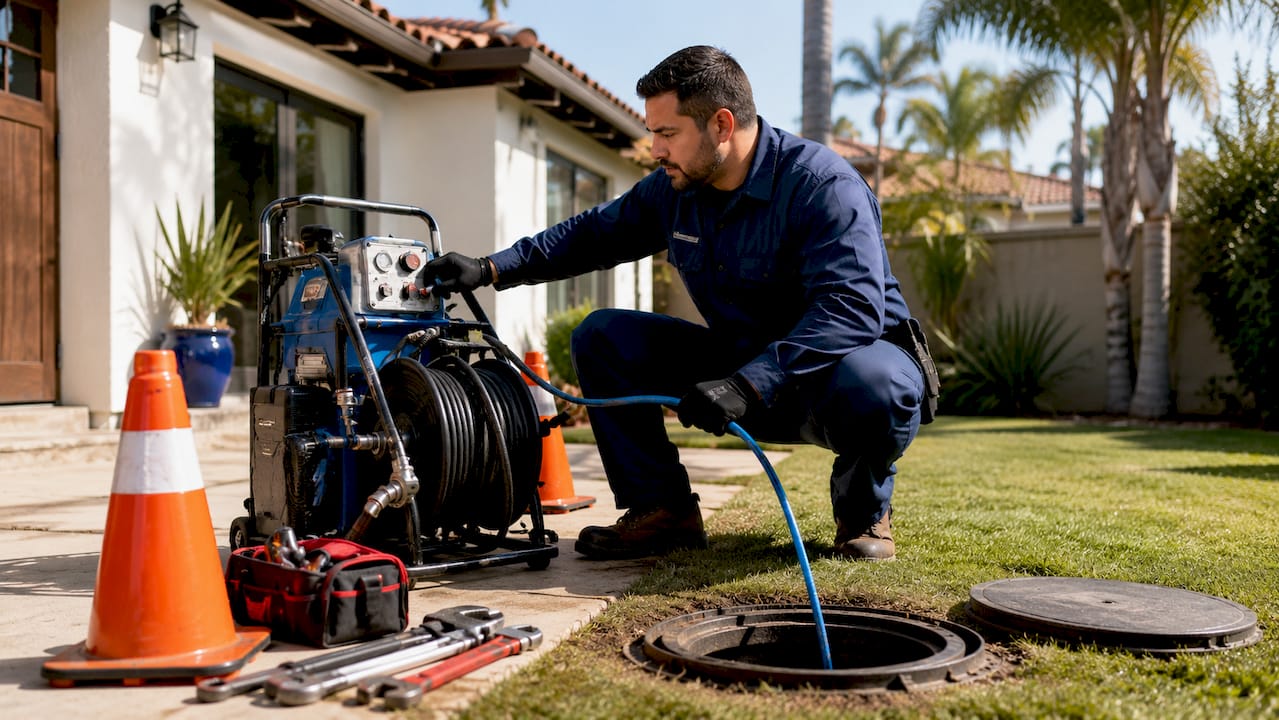
Health is another concrete benefit. Professional drain cleaning prevents odors and reduces bacteria, mold, and pests that accumulate in neglected pipes. Foul smells rising from drains are not just unpleasant. They signal decomposing organic matter actively releasing airborne contaminants into your living space.
Keeping drain lines clear also extends the lifespan of your entire plumbing system. Pipes under constant pressure from blockages corrode faster, and joints that flex repeatedly from water hammer eventually crack. Consistent maintenance delays the need for full repiping, which in a Los Angeles home can cost $8,000 or more depending on square footage and pipe material.
What common problems occur when drain lines are neglected?
Neglected drain lines follow a predictable failure pattern, and recognizing the early signs saves you from the expensive end of that pattern.
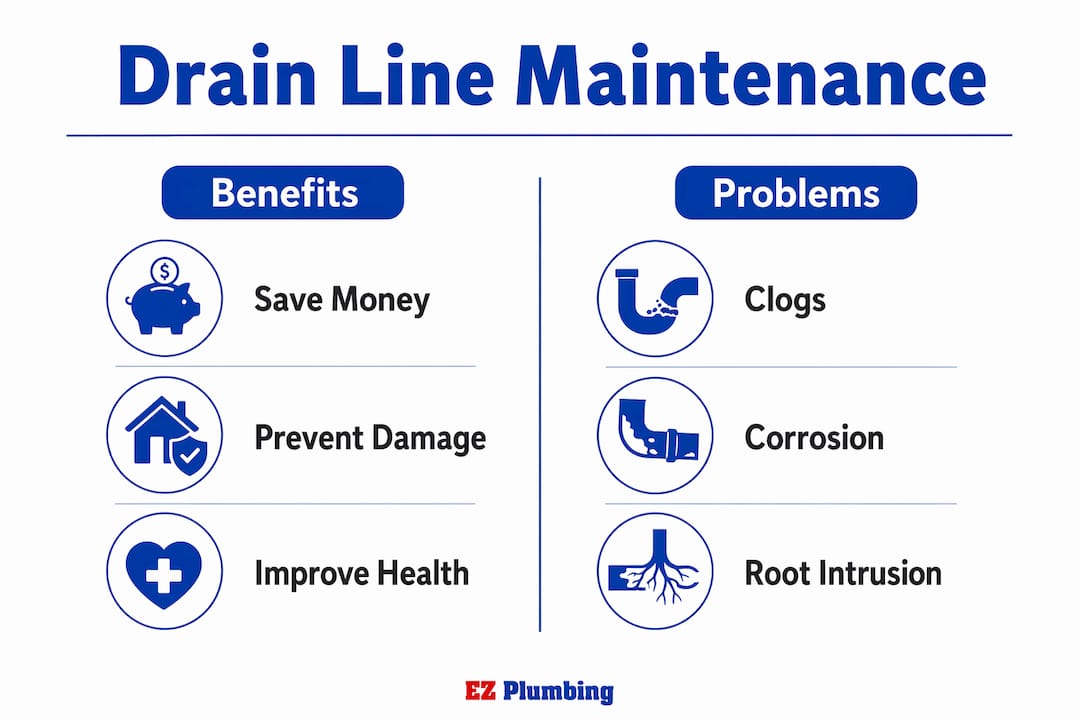
Slow drainage is the first and most telling symptom. Slow drains indicate a long-term buildup process rather than a sudden clog, and waiting for complete failure leads to costly pipe restoration. By the time water is standing in your shower for 30 seconds, the buildup inside that pipe has likely been accumulating for months.
Biofilm is the hidden problem most homeowners never consider. Neglected drains develop biofilm that breeds bacteria, mold, and pests, compromising home hygiene and health. Biofilm is a slick, layered colony of microorganisms that coats pipe walls and serves as a breeding ground for drain flies, which are a common complaint in older Los Angeles bungalows and apartment buildings. This is not just a plumbing problem. It is a public health issue inside your walls.
Slow drains typically signal chronic buildup, meaning waiting leads to more complex repairs that go well beyond a simple cleaning.
Pipe corrosion and root intrusion represent the most expensive tier of neglect. Los Angeles has a large inventory of homes built before 1960 with original galvanized steel or clay sewer laterals. Galvanized corrosion narrows pipe diameter over time, and clay pipes are brittle enough that mature tree roots from a neighbor’s ficus can split a lateral completely. Once roots establish inside a pipe, they trap grease, hair, and debris with every flush, accelerating blockage formation dramatically.
Structural damage from ignored drain issues extends beyond the pipes themselves. Water that backs up and overflows can saturate subfloor materials, promote mold growth inside wall cavities, and compromise the foundation in older slab homes. Emergency repairs at that stage involve not just a plumber but a water damage restoration company, and insurance claims for gradual water damage are frequently denied.
Snaking vs. hydro jetting: which method actually works?
Understanding the difference between drain cleaning methods helps you choose the right tool for your situation and avoid making pipe conditions worse.
Drain snaking, also called augering, uses a flexible metal cable to punch through or retrieve a clog. It is effective for localized blockages caused by hair, soap, or a foreign object near the drain opening. Snaking offers temporary relief lasting 3–6 months because it clears the obstruction without removing the scale and grease coating the pipe walls. Think of it as clearing a path through a narrowed corridor without widening the corridor itself.
Hydro jetting uses pressurized water, typically at 3,000–4,000 PSI, to scour the full interior diameter of a pipe. It removes grease, mineral scale, and root fragments that snaking leaves behind, effectively resetting the pipe’s flow capacity. For effective drain cleaning methods in older Los Angeles homes with years of grease accumulation, hydro jetting is the only method that produces lasting results.
The critical safety rule is this: hydro jetting can damage pipes with existing structural issues, so camera inspections must precede aggressive cleaning. High-pressure water directed into a corroded galvanized pipe or a clay lateral with separated joints can cause a catastrophic failure that turns a $400 cleaning into a $6,000 excavation. A camera inspection, which costs $200–$400, reveals pipe condition in real time and tells the technician exactly what pressure and method is safe to use.
Pro Tip: Request a camera inspection before any hydro jetting service, especially in homes built before 1980. The inspection cost is minimal compared to the risk of pressure-induced pipe failure in aging infrastructure.
DIY maintenance has a defined and limited role. Enzyme-based drain treatments poured monthly into kitchen and bathroom drains slow biofilm formation and grease accumulation between professional cleanings. Products like Green Gobbler or Bio-Clean work by introducing bacteria that digest organic matter. They do not replace professional cleaning, but they extend the interval between service calls. For drain cleaning methods that actually work at the homeowner level, enzyme treatments and drain screens are the two most effective tools you can use without calling a plumber.
How often should you maintain drain lines in Los Angeles?
Maintenance frequency depends on drain type, pipe age, water quality, and the specific conditions of your Los Angeles property.
Kitchen drains require the most frequent attention. Cleaning intervals vary by drain type, with kitchen drains needing monthly care, bathroom drains every 3–4 months, and floor drains less frequently based on usage. Kitchen drains accumulate cooking grease, food particles, and soap residue at a rate that no other drain in the home matches. In a rental property with multiple tenants sharing a kitchen, monthly enzyme treatments and a professional cleaning every six months are the minimum responsible standard.
Several Los Angeles-specific factors push maintenance frequency higher than national averages. Hard water from the Los Angeles Department of Water and Power supply accelerates mineral scale formation inside pipes, narrowing diameter faster than in regions with softer water. Properties in Bel Air, Brentwood, and other areas with mature tree canopies face aggressive root intrusion into sewer laterals, sometimes requiring annual root cutting to keep lines clear. Homes in the San Fernando Valley with original cast iron or galvanized pipes from the 1950s and 1960s need more frequent camera inspections because pipe wall thickness decreases with each passing year.
Annual professional inspections are the baseline recommendation for any Los Angeles property. Camera inspections cost $200–$400 and identify root intrusion, grease buildup, cracks, and pipe conditions before they become emergencies. Scheduling that inspection in the fall, before the rainy season stresses the sewer system, is a practical timing choice for Southern California.
Pro Tip: If you manage a multi-unit property in Los Angeles, schedule hydro jetting for shared sewer laterals every 18–24 months. Shared lines accumulate grease and debris from multiple units simultaneously, and a single backup affects every tenant.
Signs that immediate maintenance is needed include gurgling sounds from multiple drains at once, sewage odors inside the home, water backing up into a tub when you flush the toilet, and visible wet spots near the foundation. Any one of these symptoms points to a blockage or failure in the main sewer lateral, not just a branch line, and requires professional attention the same day. You can read more about sewer line maintenance to understand how lateral health connects to your overall drain system.
Key Takeaways
Proactive drain line maintenance reduces lifetime plumbing costs by up to 70% and prevents the health, structural, and financial damage that neglected pipes cause in Los Angeles homes.
| Point | Details |
|---|---|
| Maintenance saves real money | Fixing leaks and blockages cuts water bills by roughly 10% and avoids emergency repair costs. |
| Biofilm is a health risk | Neglected pipes breed bacteria, mold, and drain flies that affect indoor air quality. |
| Camera inspection before hydro jetting | Always inspect pipe condition before high-pressure cleaning to prevent structural failures. |
| Frequency depends on drain type | Kitchen drains need monthly care; bathroom drains need attention every 3–4 months. |
| Los Angeles conditions demand more | Hard water, tree roots, and aging clay laterals require more frequent professional service than national averages. |
What I have learned from years of Los Angeles drain calls
After years of responding to drain emergencies across Los Angeles, from Reseda to Santa Monica to East LA, the pattern I see most often is not a sudden failure. It is a homeowner who noticed slow drainage six months ago, assumed it would resolve on its own, and called us only after sewage backed up into the bathtub on a Sunday evening.
The misconception I encounter most is that drain maintenance is optional until something breaks. That thinking works fine for appliances with obvious failure points. It does not work for buried pipes where the damage is invisible until it is severe. A clay lateral with root intrusion looks fine from the outside. Inside, it is 60% blocked and one heavy rain away from a complete backup.
What I tell every property manager I work with is this: treat your drain system the way you treat your roof. You do not wait for water to come through the ceiling before you inspect the shingles. You schedule a checkup, address what you find, and extend the life of the system by years. The cost of a camera inspection and annual hydro jetting is a fraction of what a sewer line excavation and replacement costs, and the disruption is incomparable.
The homeowners who call us least often are the ones who called us first to set up a maintenance schedule. That is not a coincidence.
— EZ
How Ez-plumbing keeps Los Angeles drain lines clear
Ez-plumbing provides licensed drain cleaning and maintenance services across the greater Los Angeles area, backed by C-36 License #583868. Our technicians use camera inspection technology to assess pipe condition before recommending any cleaning method, so you never pay for a service that could damage your pipes. From hydro jetting grease-packed kitchen lines in Koreatown to clearing root intrusion from clay laterals in Pasadena, we match the method to the pipe. If your drains are slow, gurgling, or overdue for a professional checkup, our drain cleaning services are the right next step. Call Ez-plumbing today to schedule a camera inspection or full drain cleaning service.
FAQ
Why maintain drain lines if they seem to be working fine?
Drains that appear functional often have significant buildup reducing their capacity. Slow drains signal chronic accumulation that worsens over time, so waiting for a visible problem means the repair will be more expensive.
How much can drain maintenance actually save me?
Regular maintenance reduces lifetime plumbing costs by up to 70% and can cut water bills by approximately 10% by eliminating leaks caused by pressure from partial blockages.
Is hydro jetting safe for older Los Angeles pipes?
Hydro jetting is safe only after a camera inspection confirms pipe integrity. High-pressure cleaning can damage corroded galvanized pipes or cracked clay laterals, so inspection must come first.
How do I know if I need professional drain cleaning or if DIY is enough?
DIY enzyme treatments work for routine maintenance between professional visits. If you have recurring clogs, foul odors, or multiple slow drains at once, those symptoms point to buildup or structural issues that require a licensed plumber and camera inspection.
How often should a Los Angeles property manager schedule drain service?
Kitchen drains need monthly maintenance, bathroom drains every 3–4 months, and shared sewer laterals in multi-unit buildings benefit from professional hydro jetting every 18–24 months.