
What Is a Water Heater Dip Tube and Why It Matters
A water heater dip tube is the internal pipe that sends incoming cold water to the bottom of a storage tank, and lukewarm water paired with white, gray, or blue debris in faucet screens should make you suspect it. The part is simple, but its position inside the tank determines whether new cold water gets heated efficiently or mixes prematurely with the hot water at the top.
A Los Angeles morning can reveal the problem before anyone knows the part's name. You step into the shower expecting the usual warmth, but the water feels tepid almost immediately. At the kitchen sink, you notice small flakes collecting in the faucet aerator screen, and suddenly the temperature problem has a second clue.
Most homeowners run through the usual checklist. They think about the thermostat, a pilot light, a tripped breaker, or an empty tank. Those are reasonable possibilities, but they don't fit every situation, especially when hot-side fixtures also contain plastic-looking debris.
The hidden culprit may be the dip tube, a narrow pipe installed inside the cold-water inlet at the top of a tank water heater. It isn't visible during a normal glance at the appliance, yet it controls where incoming cold water enters the tank. A damaged tube can create both a comfort problem and a cleanup problem.
This is the diagnostic pattern that matters: the shower loses usable heat, while faucet aerators, showerheads, or screens begin catching fragments. The following explanation will show what happens inside the tank, why older dip tubes became notorious, how to check for clues safely, and how to decide whether the tube or the entire water heater deserves attention.
Table of Contents
- A Los Angeles Morning With a Hidden Culprit
- How Cold Water Travels to the Bottom of the Tank
- What Dip Tubes Are Made Of and How Long They Last
- Signs Your Dip Tube Is Failing
- Simple Checks You Can Do Before Calling a Plumber
- Replacing the Dip Tube Versus Replacing the Water Heater
- Maintenance Habits and When to Call EZ Plumbing
A Los Angeles Morning With a Hidden Culprit
A Los Angeles morning can expose a water-heater problem before the appliance shows any obvious damage. The shower never becomes properly hot, and after cleaning the kitchen faucet aerator, the homeowner finds pale flakes caught in its screen. The first suspicion is dirty city water.
That explanation becomes less convincing when similar pieces appear at another hot-water fixture. They may resemble scale or mineral sediment, yet plastic fragments point toward a deteriorating dip tube. Howard County's public-works guidance on dip-tube issues explains that disintegrating tube material can clog household aerators, leaving both fixtures and the water heater needing attention.
A thermostat fault can cause lukewarm water, but it does not account for plastic in an aerator. A pilot-light or breaker problem can stop heating, while still failing to explain debris traveling through hot-side fixtures. The combination of reduced heat and fragments makes the tank's internal water path worth checking.
Practical rule: Lukewarm water alone has several possible causes. Lukewarm water plus plastic fragments is a much more specific pattern.
The dip tube is hidden beneath the cold-water inlet at the top of the tank. It carries replacement water downward instead of releasing it beside the hot outlet. If the tube cracks, breaks, or slowly dissolves, cold incoming water can mix with the usable hot water too soon.
That mixing explains the short shower. The fragments explain the clogged aerators, showerheads, and screens. A homeowner may therefore face two related tasks: clearing debris from fixtures and deciding whether replacing the tube can restore the heater, or whether the tank itself also needs replacement.
The appliance may still ignite, cycle, and look normal from outside. The failure is inside, where one small plastic part changes how each new gallon moves.
How Cold Water Travels to the Bottom of the Tank
A tank water heater works partly because hot water rises and cold water sinks. Think of a tall glass containing liquids at different temperatures. The warmer layer stays toward the top, while the cooler layer settles below it.
The dip tube uses that natural behavior instead of fighting it. Cold supply water enters through a connection at the top of the heater, travels down the internal tube, and exits near the tank bottom. A gas burner or electric heating element warms the water there, and the warmed water rises toward the upper portion of the tank.
The flow in plain language
- Cold water enters at the top. Opening a hot-water tap allows heated water to leave through the hot outlet, so incoming supply water must replace it.
- The dip tube sends that water downward. The tube prevents the new cold water from immediately spreading through the hot layer.
- The heat source warms the lower water. The burner or element adds heat where the incoming water has been delivered.
- Warm water rises. As the water heats, it moves upward and becomes available at the hot outlet.
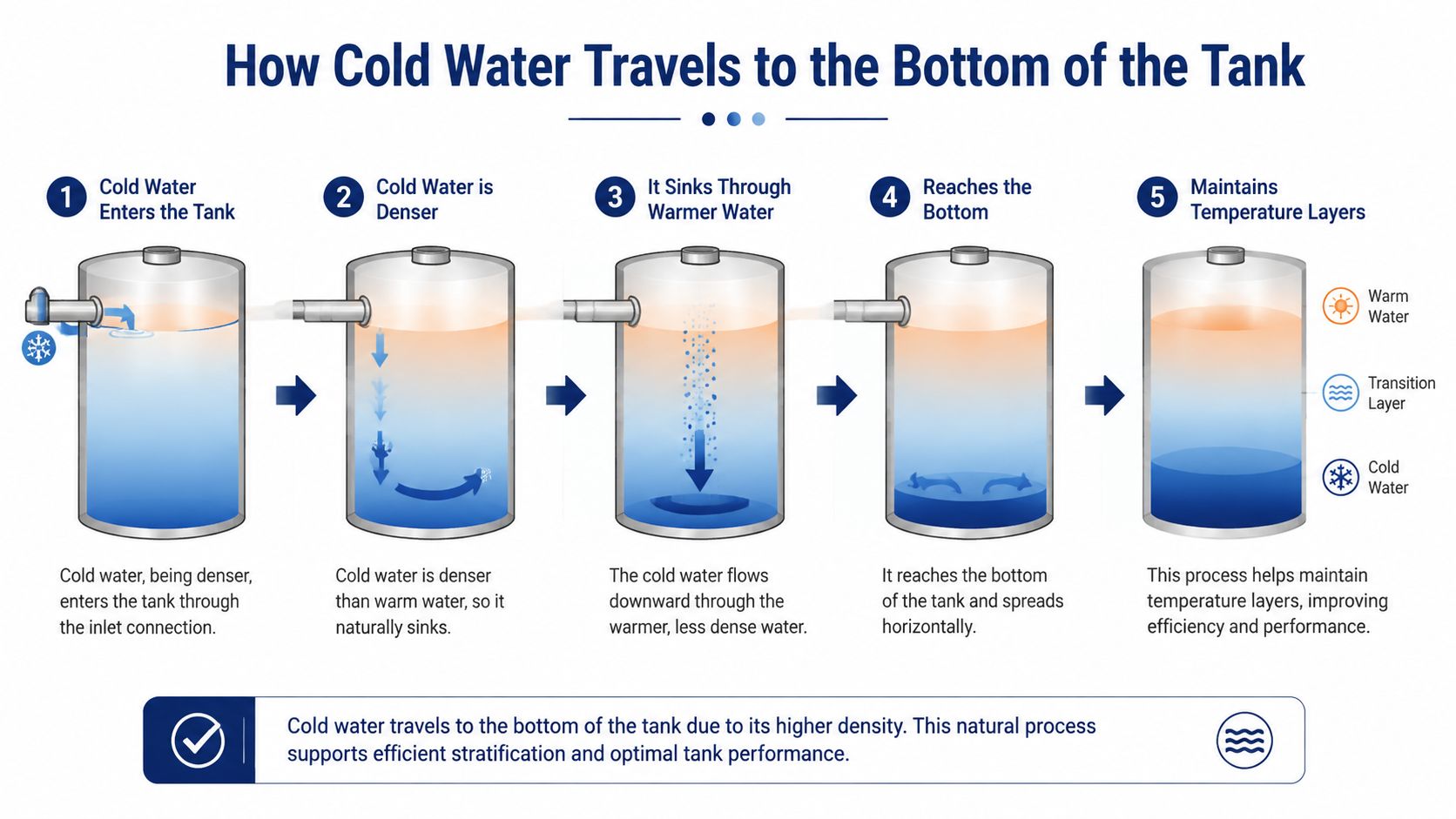
That arrangement creates a useful temperature layer inside the tank. It doesn't mean the water remains perfectly divided, but it does keep the hottest usable water near the outlet while the incoming supply begins its heating cycle below.
If the dip tube ends too high, splits partway down, or disappears into fragments, cold water gets released where it shouldn't. It can mix with the hot water near the outlet, so the burner or element may still operate while the tap delivers a lukewarm blend.
A dip tube is found in most traditional storage-tank systems, not tankless heaters. The exact design can vary, but the purpose remains the same: route incoming cold water to the heating zone before it can dilute the ready-to-use water above.
What Dip Tubes Are Made Of and How Long They Last
A dip tube usually works for years, carrying incoming water through a hot, mineral-filled tank. Most are made from heat-resistant plastic, although some designs use other durable materials. Their service life depends on the material, water quality, temperature, and conditions inside the heater.
Many modern dip tubes last about 8 to 12 years, according to Lennox's dip-tube explanation. Hard water, higher temperatures, and lower-quality plastic can shorten that period. Age does not confirm a failure by itself, but an older heater deserves closer inspection when hot-water performance changes or plastic fragments appear at fixtures.
Dip Tube Materials Compared
| Material | Typical Lifespan | Failure Notes |
|---|---|---|
| Cross-linked polyethylene, or PEX | Varies with conditions | Commonly selected for durability and heat resistance. Water quality and heater conditions still matter. |
| Polypropylene | Varies with conditions | Generally serviceable in suitable conditions, but some older tubes were made from defective material that deteriorated prematurely. |
| Older CPVC or plastic formulations | Varies with conditions | Performance depends on the specific formulation, installation, temperature, and water conditions. |
A significant historical concern involves the 1993 to 1996 manufacturing window. Technical and inspection sources report that many water heaters made during that period used faulty polypropylene dip tubes. An inspection summary of the failure notes that Perfection Corporation supplied about 90% of the dip tubes used in domestic water heaters at that time.
As those tubes aged, they could turn brittle and break into flakes or gel-like particles. The fragments could travel through hot-water lines, clog faucet aerators, showerhead screens, or appliance inlet screens, and reduce water flow. The U.S. Consumer Product Safety Commission did not issue a safety recall because it found no safety hazard, but the performance problem still disrupted hot-water service in many homes.
Material failure is usually more important than blaming the installer. A tube can be installed correctly and still deteriorate because of its composition and operating environment.
Two water heaters with similar appearances can have very different dip-tube histories. A professional comparing a tube replacement with full heater replacement will consider the unit's manufacturing period, age, water condition, tank condition, and evidence of fragments. If the tank remains sound, replacing the tube and clearing debris may address the problem. A corroded or aging tank may make replacement of the entire heater the more practical choice.
Signs Your Dip Tube Is Failing
A failing dip tube doesn't always announce itself with one obvious event. Many homeowners first notice a change in how long the hot water lasts, then discover debris while cleaning a faucet. The order can vary, but the combination is valuable.
The shower turns lukewarm too soon
Suppose the heater has had time to recover, yet the shower starts warm and becomes lukewarm far earlier than expected. A break or split in the dip tube can release incoming cold water higher in the tank, where it mixes with the hot water waiting near the outlet.
The burner or element may still be working. That's why replacing a thermostat immediately can miss the core issue. The problem may be water placement, not a complete loss of heat.
Faucet screens catch plastic fragments
This is the clue homeowners most often overlook. White, gray, or blue pieces can collect in faucet aerators, showerhead screens, and appliance inlet screens as an aging tube breaks down.
The fragments may resemble mineral scale, but scale typically behaves differently from flexible or flaky plastic material. Howard County's maintenance information specifically connects disintegrating dip tubes with clogged aerators and the need to clean those screens.
If debris appears at several hot-water fixtures, don't keep treating each clogged aerator as a separate plumbing problem. The source may be upstream, inside the heater.
Hot-side water carries sediment-like debris
A homeowner may see cloudy water or particles at a hot tap and hear an occasional popping or knocking sound from the heater. Broken tube pieces can circulate in the tank, while existing sediment may move when the internal flow changes.
These signs don't prove a dip-tube failure by themselves. A technician must separate tube fragments from ordinary mineral sediment, tank corrosion, or another component problem. Still, each symptom points toward a different internal possibility:
- Short-lived heat: Cold water may be bypassing the intended delivery path.
- Plastic flakes: The tube may be breaking down rather than merely shifting.
- Debris with unusual tank noise: Fragments or sediment may be moving around the heating area.
The key is to record what happens together. Lukewarm water without debris can come from several causes. Lukewarm water with recurring plastic fragments deserves a dip-tube inspection before you authorize a full replacement.
Simple Checks You Can Do Before Calling a Plumber
Start with observation, not disassembly. A homeowner can gather useful evidence without opening the tank, disconnecting the cold-water inlet, or working around gas and electrical components.
Check the heater's age
Read the manufacturer's data plate on the side of the tank. Compare the unit's age with the expected 8 to 12 year dip-tube range described by Lennox's consumer guidance. An older unit isn't automatically defective, but age makes tube deterioration more plausible.
Inspect an aerator
Unscrew the kitchen faucet aerator or inspect a showerhead screen if it can be removed easily. Rinse the screen and hold it up to a light. White, gray, or blue flakes that look plastic-like are worth saving in a small container for the plumber.
Observe the hot tap
Run a hot tap for a few minutes and note the sequence. Does the water begin warm and turn lukewarm quickly, or does it gradually reach a usable temperature? That pattern helps distinguish cold-water mixing from a heater that hasn't completed its heating cycle.
Look for service history
Check the heater tag, installation paperwork, or maintenance receipt. A prior dip-tube replacement changes the diagnosis because the current tube may be newer than the tank itself, or fragments may be leftover from an earlier failure.
For broader checks involving the gas supply, electrical breaker, controls, or other no-hot-water causes, use this water-heater troubleshooting guide as a reference.
Don't open the drain, remove the inlet nipple, test an anode rod, or disconnect a pipe based only on an online checklist. Those tasks can release hot water, create leaks, or expose you to gas and electrical hazards.
Before calling, gather the model and serial information, the approximate installation date, the exact fixtures showing debris, whether the water is lukewarm or cold, and any photos of the flakes. That gives the plumber a useful starting point without turning a simple inspection into an avoidable repair.
Replacing the Dip Tube Versus Replacing the Water Heater
The central decision isn't "Can the tube be replaced?" In many cases, it can. The better question is whether the tank and its other components are healthy enough to justify repairing one failed part.
A dip-tube-only repair makes sense when the tank is relatively young, the shell isn't leaking, and the anode rod and heating components remain in reasonable condition. A full replacement becomes more practical when the tube failure is one sign of broader wear.
Compare the two repair paths
| Factor | Dip Tube Replacement | Full Tank Replacement |
|---|---|---|
| Main work | Remove and replace the internal tube, then clear affected fixtures | Remove the old heater and install a new tank system |
| Best fit | An otherwise healthy, younger tank with an isolated tube problem | An older tank with corrosion, leaks, or repeated component trouble |
| Downtime | Usually limited to the service and testing period | Longer because removal, installation, filling, and testing are required |
| Los Angeles price guidance | $150 to $350 for parts and labor, as stated in the repair brief | $1,200 to $3,500, depending on tank size, fuel type, and code upgrades, as stated in the repair brief |
| Decision factors | Tank condition, anode condition, and whether the tube is the only failed part | Tank age, base rust, worn anode, leaks, and recurring control failures |
The practical age guidance is straightforward. If the heater is under 10 years old and otherwise healthy, a dip-tube repair is generally the path to investigate first. If it's over 10 years old or shows secondary wear, replacement deserves serious consideration. These age thresholds are decision guidelines, not guarantees.
A professional inspection can reveal whether the tank has a sound shell, whether corrosion is advancing, and whether the tube fragments have affected other components. This guide to water-heater service life can help frame the age question before an appointment.
For homeowners who need to coordinate access outside normal scheduling windows, a resource about auto-booking weekend plumbing calls may help organize an estimate request. The repair decision should still come from the heater's condition, not from convenience alone.
Don't choose a new tank solely because the first symptom was inconvenient. Conversely, don't invest in a tube replacement when the tank base is rusting, the vessel is leaking, or multiple controls have already failed. The right repair protects the money already invested while avoiding a short-lived fix.
Maintenance Habits and When to Call EZ Plumbing
Dip-tube care begins with the surrounding water-heater system. Mineral buildup, corrosion, heat, and pressure all influence how reliably the tank and its internal parts operate.
Keep a simple maintenance record
- Inspect through the cold inlet during professional service: A technician can close the supply, relieve pressure, and inspect the tube without treating a homeowner's visual check as a substitute for safe disassembly.
- Flush the tank: In mineral-heavy Los Angeles areas, a full flush every six to twelve months is the schedule described in the repair brief. Sediment at the bottom can interfere with heating and complicate diagnosis.
- Check the anode rod: Inspect it every two to three years, as specified in the repair brief. Its condition helps indicate whether the tank is receiving corrosion protection.
- Verify water pressure: Use a pressure gauge and keep the system between 50 and 80 PSI, following the maintenance guidance in the repair brief.
The water-heater maintenance guide from EZ Plumbing provides a practical reference for tasks such as shutoff, draining, refilling, and restoring the unit. Homeowners should leave work involving gas controls, electrical panels, pressure relief, and tank connections to a licensed professional.
Know when the symptoms have crossed the line
Call for an assessment if hot water stays lukewarm after you clean the aerator, sediment bursts return, plastic flecks appear at multiple fixtures, or water leaks around the cold-water inlet. Those signs can indicate that the dip tube is not the only concern, especially when the heater is older.
A complete loss of hot water with a family needing immediate relief, a leaking tank, or a credible flooding risk calls for an emergency response. Turn off the water supply if you can do so safely, keep clear of damaged electrical equipment, and contact a qualified plumber.
EZ Plumbing serves Los Angeles with licensed technicians, upfront pricing, same-day assessment options, and 24/7 emergency response. That gives homeowners a practical route from identifying plastic debris to deciding whether the next step is a dip-tube repair, fixture cleanup, or full heater replacement.
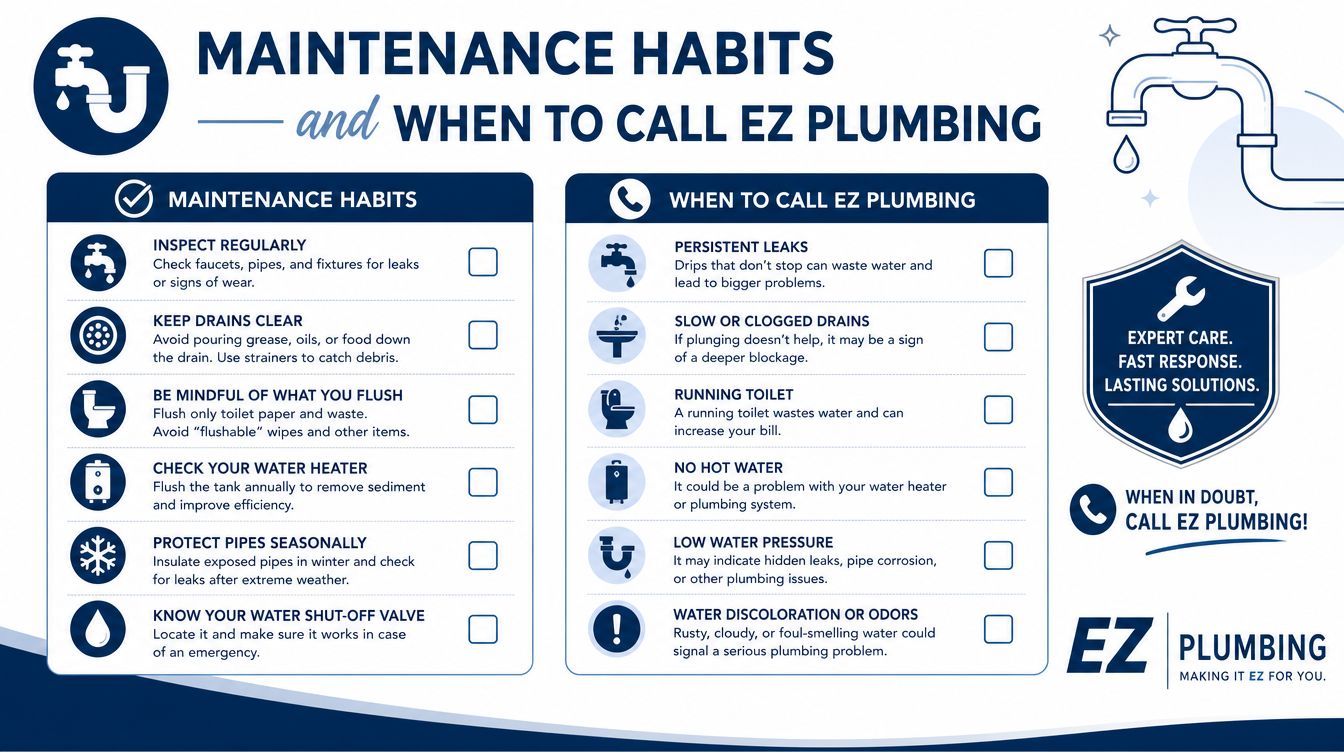
If your Los Angeles water heater is producing lukewarm water or plastic flakes are clogging hot-side fixtures, schedule an inspection with EZ Plumbing. A technician can identify whether the dip tube is the isolated problem and give you a clear repair-versus-replacement recommendation.