
The Role of Water Conservation Plumbing for LA Homes
Water conservation plumbing is defined as the practice of reducing water waste through efficient fixtures, leak prevention, and optimized system design without sacrificing performance or comfort. For homeowners and property managers in Los Angeles, this practice carries real financial and legal weight. California’s ongoing water scarcity challenges, combined with strict local codes and rising utility rates, make plumbing water efficiency a priority that affects your bottom line every month. Understanding how certified products, professional leak detection, and smart system design work together gives you a clear path to lower bills and full regulatory compliance.
What is the role of water conservation plumbing?
Water conservation plumbing reduces consumption at every point in your system, from the fixture you touch to the pipes behind your walls. The EPA’s WaterSense program defines the standard most LA homeowners and property managers should know first. WaterSense-labeled fixtures are certified to meet strict EPA efficiency and performance criteria, meaning you get measurable water savings without a drop in water pressure or user satisfaction.
The savings are concrete. The average family saves about $500 annually by retrofitting with WaterSense-labeled fixtures and ENERGY STAR appliances combined. That figure represents roughly 38% of a typical household’s $1,300 annual water cost. For a property manager overseeing a 10-unit building in Silver Lake or Koreatown, that math scales quickly.
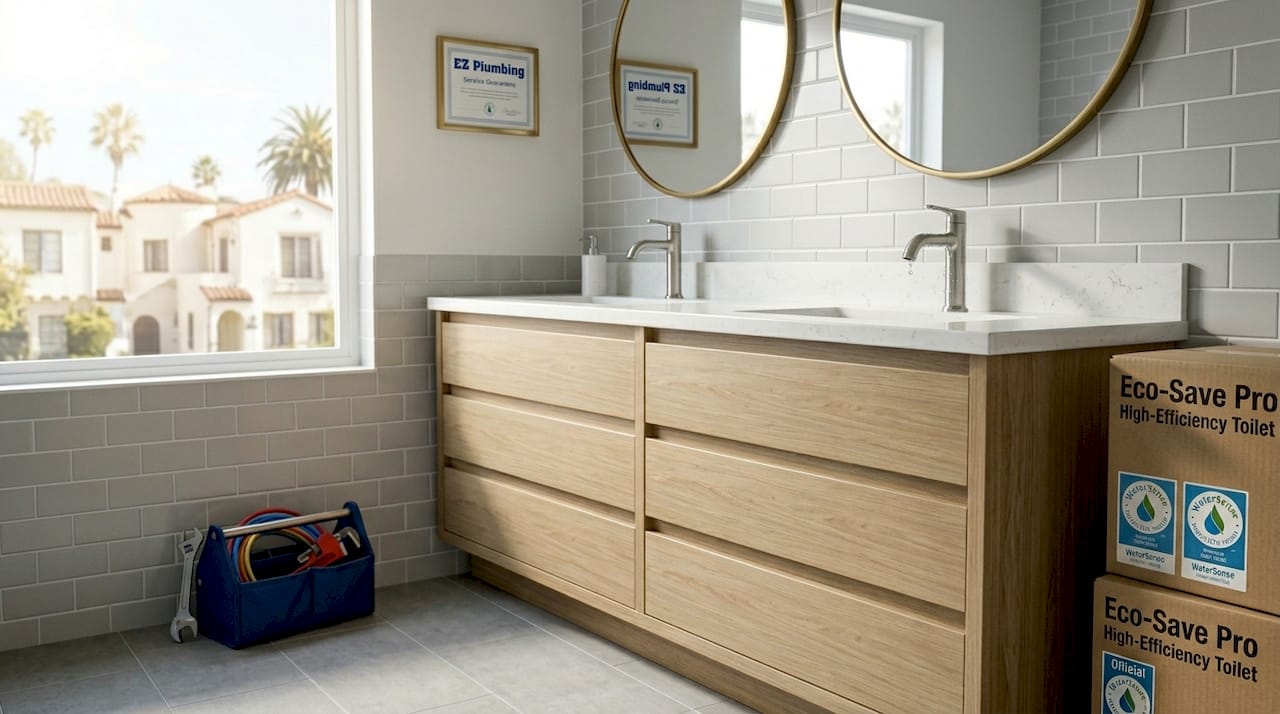
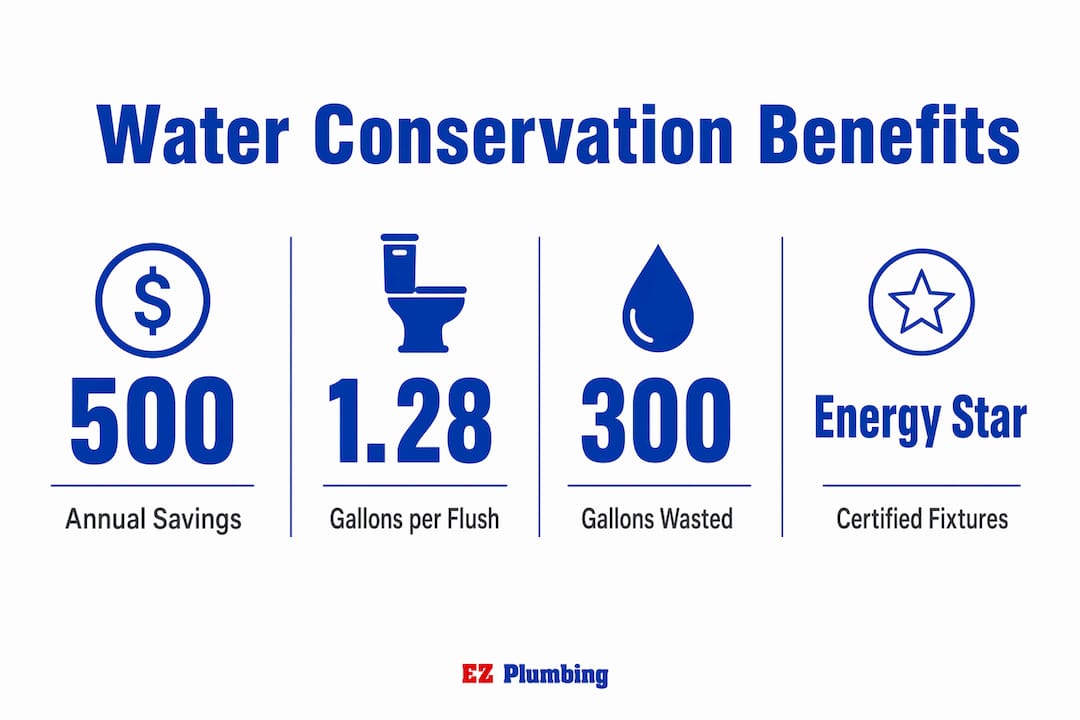
Common WaterSense-certified products include high-efficiency toilets rated at 1.28 gallons per flush, bathroom faucet aerators that reduce flow to 1.2 gallons per minute, and showerheads capped at 1.8 gallons per minute. Each of these products replaces older fixtures that can use two to three times as much water per use. The retrofit cost for a single bathroom is typically recovered within one to two years through reduced water bills.
Pro Tip: When shopping for fixtures, look for the blue WaterSense label directly on the product packaging. Some retailers stock look-alike products without certification, so verifying the label before purchase protects both your investment and your compliance standing under California code.
WaterSense-labeled homes that combine certified fixtures with ENERGY STAR appliances and efficient hot water systems achieve the highest utility savings. This integrated approach matters especially in older Los Angeles homes where galvanized pipes and outdated fixtures often work against each other.
Why do leaks matter more than most homeowners realize?
Leak repair often produces quicker conservation returns than costly fixture upgrades, and that fact surprises most property owners who assume new hardware is always the first step. A leaking toilet wastes approximately 200 gallons of water daily. That single statistic means one faulty flapper valve in a guest bathroom can cost you more water in a week than a full month of normal use.
The problem extends beyond obvious drips. Small leaks of ten drops per minute waste about 300 gallons of water annually. Invisible leaks behind walls, under slabs, or at supply line connections are common in Los Angeles homes built before 1980, many of which still carry original copper or galvanized steel plumbing. These leaks rarely announce themselves until water damage appears or your bill spikes unexpectedly.
Detecting leaks before they escalate involves a few reliable methods. You can check your water meter before and after a two-hour period when no water is in use. If the meter moves, you have a leak somewhere in the system. Dye tablets dropped into toilet tanks reveal silent flapper leaks within minutes. For hidden leaks behind walls or under concrete slabs, professional leak detection services using acoustic listening devices and thermal imaging locate the source without destructive exploratory work.
For property managers, the stakes are higher because a single undetected leak in a shared water line can affect multiple units simultaneously. Scheduling annual plumbing maintenance inspections for each unit catches slow leaks before they become expensive repairs or tenant complaints. Understanding the signs of hidden water leaks such as unexplained mold, soft drywall, or musty odors helps you act before structural damage sets in.
Pro Tip: If you manage a multi-unit property, install individual sub-meters for each unit. Sub-metering shifts the incentive for conservation directly to tenants and makes it far easier to isolate which unit is generating abnormal water use.
How does plumbing system design affect water efficiency?
Fixture selection alone does not determine how efficiently a building uses water. The design of the plumbing system itself, including pipe sizing, layout, and pressure management, plays an equally significant role in plumbing water efficiency. Oversized pipes are a common problem in older commercial and multi-unit residential buildings. When pipes are larger than the actual demand requires, water sits stagnant in the lines longer, increasing the wait time for hot water and raising the risk of bacterial growth such as Legionella in standing water.
The ICC’s DRIPS software predicts water consumption patterns to optimize plumbing system design, reducing oversizing and waste. DRIPS uses simulation-based sizing grounded in real regional usage data rather than outdated peak-demand assumptions that historically led engineers to oversize systems. For property managers planning a remodel or new construction in Los Angeles, specifying a plumber who uses simulation-based design tools translates directly into lower operating costs and better code compliance.
The table below summarizes how system design choices affect water and energy outcomes.
| Design factor | Efficient approach | Inefficient approach |
|---|---|---|
| Pipe sizing | Matched to actual usage data via simulation | Oversized based on peak-demand assumptions |
| Hot water distribution | Recirculation loops with demand controls | Long uninsulated runs with no recirculation |
| Pressure regulation | Pressure-reducing valves set to 60 psi or below | Unregulated pressure above 80 psi |
| Fixture zoning | Grouped fixtures to minimize pipe runs | Scattered fixtures requiring long supply lines |
Modern plumbing design needs to be grounded in real consumption data and regional usage patterns for optimal water and energy savings. In multi-unit developments, treating plumbing as an integrated network rather than a collection of individual fixtures critically reduces waste across the entire building. For property managers overseeing apartment complexes in areas like Westwood or the San Fernando Valley, this systems-level thinking is where the largest efficiency gains are found. You can explore how licensed plumbers approach commercial plumbing optimization for buildings of varying sizes and ages.
What do California codes require for water conservation?
California sets some of the strictest plumbing water efficiency standards in the country, and Los Angeles properties must comply with both the California Plumbing Code and CALGreen building standards. The California Plumbing Code mandates maximum flow rates for new and remodeled fixtures: 1.28 gallons per flush for toilets, 1.8 gallons per minute for showerheads, and 1.2 gallons per minute for bathroom faucets. These limits apply to any permitted plumbing work, which means a bathroom remodel triggers mandatory compliance even if you were not planning a full fixture replacement.
The retrofit-on-sale mandate adds another layer of obligation. California’s retrofit-on-sale law requires replacing inefficient fixtures with water-conserving models before a residential property changes hands. Deadlines for single-family homes passed in 2017, and for multifamily and commercial buildings in 2019. If you are selling a property or completing a permitted renovation, non-compliant fixtures must be replaced before the transaction closes or the permit is finalized.
The comparison below shows what the code requires versus what older fixtures typically deliver.
| Fixture type | California code maximum | Older fixture typical rate |
|---|---|---|
| Toilet | 1.28 gpf | 3.5 to 7.0 gpf |
| Showerhead | 1.8 gpm | 2.5 to 3.5 gpm |
| Bathroom faucet | 1.2 gpm | 2.2 gpm |
| Kitchen faucet | 1.8 gpm | 2.2 gpm |
Effective plumbing retrofits in California align with WaterSense and CALGreen standards, which simplifies compliance verification at permit and sale events. Choosing WaterSense-certified products means you satisfy both the EPA’s efficiency criteria and California’s code requirements in a single purchase decision.
Practical water conservation tips for LA homeowners and property managers
The most effective water conservation plumbing strategy combines immediate repairs with planned upgrades and awareness of available financial incentives. Start with the steps that cost the least and save the most.
Audit your fixtures first. Walk through every bathroom, kitchen, and utility room and note the age and model of each toilet, faucet, and showerhead. Any toilet manufactured before 1994 almost certainly uses 3.5 gallons per flush or more, making it the single highest-impact replacement you can make. Replacing it with a WaterSense-certified model cuts toilet water use by more than half.
Schedule a professional leak inspection annually, particularly if your property was built before 1980 or has not had a plumbing assessment in the last five years. Los Angeles properties with original galvanized or clay supply lines are especially prone to slow leaks that go undetected for months. Reviewing plumbing upgrade options with a licensed plumber helps you prioritize which repairs and replacements deliver the best return.
Take advantage of local rebate programs. The Metropolitan Water District of Southern California and the Los Angeles Department of Water and Power both offer rebates for qualifying toilet replacements, smart irrigation controllers, and high-efficiency washing machines. These programs reduce the upfront cost of conservation upgrades significantly, often covering $100 or more per toilet replacement.
Pro Tip: Before scheduling any permitted plumbing work, confirm that your chosen fixtures carry WaterSense certification. This single step satisfies California code requirements, qualifies you for utility rebates, and protects you from having to replace fixtures again at the point of sale.
Balance upfront costs against long-term savings by prioritizing repairs over replacements when possible. Fixing a leaking toilet flapper costs under $20 and stops 200 gallons of daily waste immediately. That return on investment is difficult to match with any fixture purchase.
Key takeaways
Water conservation plumbing delivers the greatest results when leak repairs come first, certified fixtures follow, and system design matches actual usage data.
| Point | Details |
|---|---|
| Fix leaks before upgrading fixtures | A leaking toilet wastes 200 gallons daily, making repair the highest-return first step. |
| Use WaterSense-certified products | EPA-certified fixtures meet California code and qualify for LADWP and MWD rebates. |
| Design systems with real data | ICC DRIPS simulation-based sizing prevents oversizing and reduces long-term water and energy waste. |
| Know your legal obligations | California’s retrofit-on-sale law requires compliant fixtures before any residential property transaction. |
| Inspect annually | Routine professional inspections catch invisible leaks in older LA plumbing before they cause costly damage. |
What I’ve learned from years of LA plumbing work
The most common mistake I see Los Angeles homeowners make is spending money on new fixtures while ignoring a running toilet or a slow drip under the kitchen sink. A $400 high-efficiency showerhead does not offset 200 gallons of daily toilet waste. The math simply does not work in your favor. Fix the losses first, then upgrade.
Property managers often underestimate how much system design affects their water bills. A building with oversized pipes and no pressure regulation can waste thousands of gallons monthly through inefficiency alone, before a single fixture is even considered. When I work with property managers on multi-unit buildings in areas like Echo Park or Culver City, the first thing I look at is the pressure at the main and the pipe sizing relative to actual occupancy. Those two factors alone often explain a third of the water waste we find.
Regulatory complexity in California is real, but it is manageable when you treat compliance as a routine part of property ownership rather than a one-time obligation. The retrofit-on-sale deadline has passed, which means non-compliant fixtures in your property are already a liability. Addressing them now, on your schedule, costs far less than scrambling to meet a closing deadline.
My honest recommendation is to treat water conservation plumbing as a maintenance category, not a project. Schedule it, budget for it, and work with a licensed plumber who understands both the technical and regulatory dimensions of the work in Los Angeles specifically.
— EZ
How Ez-plumbing helps you conserve water in Los Angeles
Ez-plumbing provides licensed plumbing services across the greater Los Angeles area, with specific expertise in the leak detection, fixture installation, and system repair that water conservation requires. Whether you own a single-family home in Pasadena or manage a multi-unit building in Hollywood, our team brings the technical knowledge and local code familiarity to get the work done right.
Our professional leak detection service uses acoustic and thermal imaging technology to locate hidden leaks without unnecessary demolition, protecting both your property and your water budget. We also handle certified fixture installation, repiping for older galvanized systems, and full plumbing assessments for property managers planning retrofits or preparing for a sale. Contact Ez-plumbing today to schedule an inspection and start reducing water waste in your Los Angeles property.
FAQ
What does water conservation plumbing mean?
Water conservation plumbing refers to the use of efficient fixtures, leak prevention, and optimized system design to reduce water waste without reducing performance. It includes WaterSense-certified products, professional leak detection, and plumbing layouts sized to actual usage demand.
How much can I save by upgrading to water-efficient fixtures?
The average family saves about $500 per year by retrofitting with WaterSense-labeled fixtures and ENERGY STAR appliances. Savings vary based on the age of existing fixtures and the number of occupants in the property.
Is water conservation plumbing required by law in California?
Yes. The California Plumbing Code sets maximum flow rates for all new and remodeled fixtures, and the retrofit-on-sale law requires compliant fixtures before any residential property transaction. Non-compliant fixtures must be replaced before a permitted renovation is finalized or a sale closes.
How do I know if I have a hidden plumbing leak?
Check your water meter during a two-hour period of no water use. If the meter reading changes, a leak is present somewhere in the system. Signs like unexplained mold, soft drywall, or a musty odor also indicate hidden leaks that require professional detection.
What is the fastest way to reduce water waste in my home?
Repairing a leaking toilet is the single fastest step, since a faulty flapper can waste 200 gallons daily. After fixing leaks, replacing old toilets and showerheads with WaterSense-certified models delivers the next highest reduction in water consumption.