
Drain Cleaning Cost in Los Angeles What to Expect
Most residential drain cleaning jobs fall between $147 and $352, with an average near $246. A main sewer line cleaning typically ranges from $175 to $800, and can move higher when access is difficult or the plumber needs advanced equipment.
That's the national picture. In Los Angeles, the quote you receive depends less on the phrase “drain cleaning” and more on where the blockage is, how difficult the line is to reach, and which method will solve it. A slow bathroom sink in a newer home is a different job from wastewater rising through a shower in an older hillside property.
You may be dealing with a single fixture, a branch line serving several drains, or the main sewer line connecting your home to the street. The difference affects equipment, labor time, diagnostics, and urgency. This guide breaks down each pricing tier, explains what can push a quote up or down in Los Angeles, and shows how to compare a quick snake job with hydro jetting or camera inspection.
Table of Contents
- Introduction What Drain Cleaning Really Costs Today
- How Drain Cleaning Pricing Works and Why Location Matters
- Typical Price Ranges for Common Drain Cleaning Services
- What Drives Your Final Bill Beyond the Basic Fee
- Emergency vs Same Day and Standard Pricing in Los Angeles
- How to Get an Accurate Quote and Choose a Trusted Contractor
- Smart Ways to Save and When to Invest in a Lasting Fix
Introduction What Drain Cleaning Really Costs Today
You notice the warning while rinsing a coffee mug. The kitchen sink drains slowly, then bubbles. Later, water rises instead of disappearing, and you are left at the kitchen table asking whether this is a small repair or the start of a larger plumbing bill.
For one sink, tub, shower, or toilet, published professional pricing commonly falls between $100 and $275, according to Paul Bunyan Plumbing's drain cleaning cost guide. Main sewer line cleaning belongs to a different tier, with reported pricing from $175 to $800, depending on severity and access. These figures describe different points in the plumbing system, not one universal service.
A fixture clog may sit close to the drain opening. A plumber can often reach it with a shorter mechanical cable and restore flow without much investigation. A blockage in the main line may require a longer auger run, work through an exterior cleanout, or testing to determine whether roots, grease, scale, or damaged pipe are involved.
Location often matters as much as the clog itself. A hillside Los Angeles home may have a long or difficult sewer lateral. An older house may contain aging clay or cast iron piping. In a multi-unit building, shared lines, cleanouts, tenants, parking, and business operations can all affect access and scheduling.
A low advertised average helps with orientation, but it rarely predicts your invoice. The practical question is, “Which part of my system is blocked, and what level of work will clear it properly?”
Your final cost usually follows two decisions: where the obstruction sits and which method can reach it. The sections ahead explain how those choices relate to fixture service, main-line cleaning, diagnostics, hydro jetting, emergency timing, contractor selection, and recurring clogs.
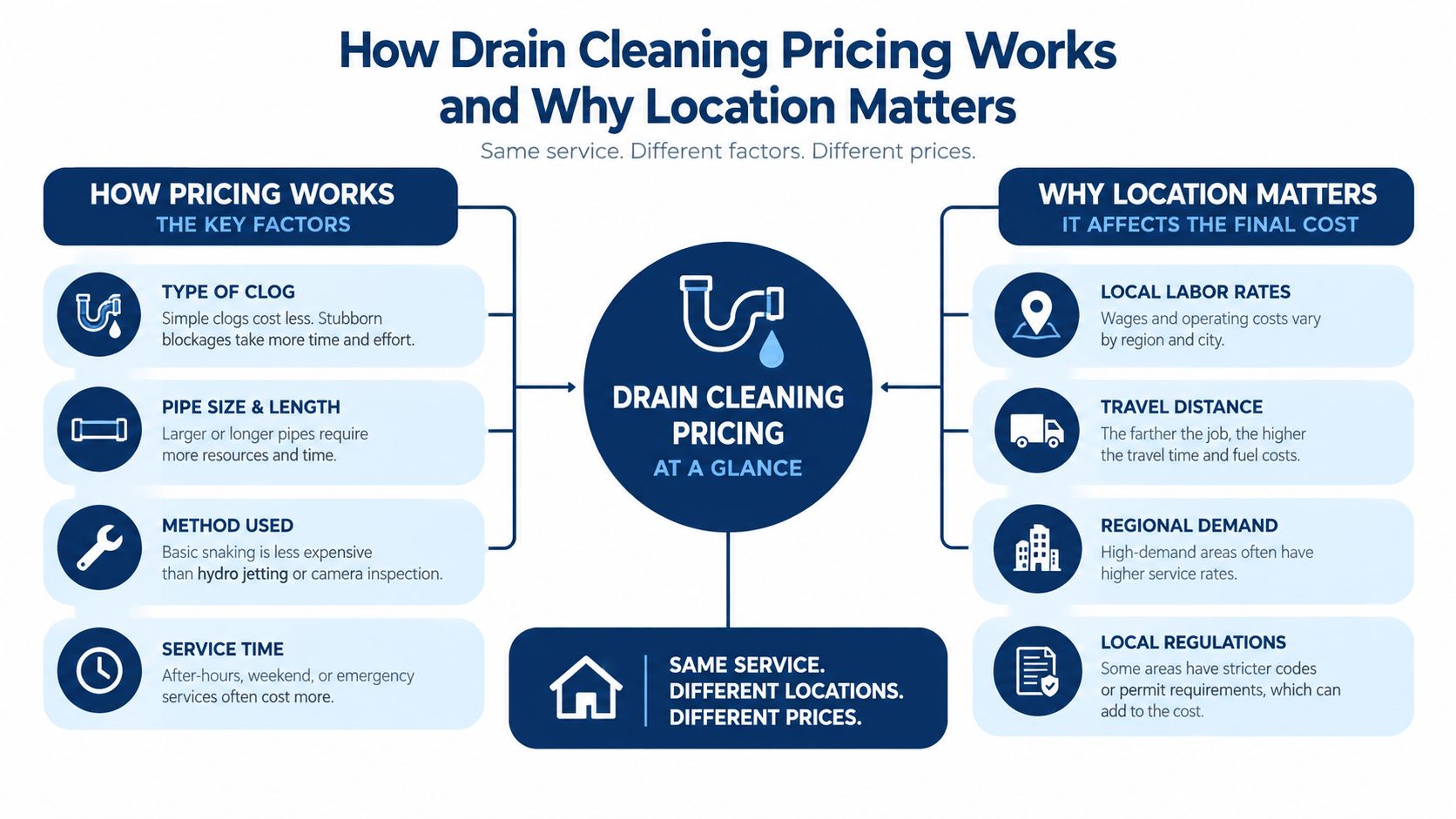
How Drain Cleaning Pricing Works and Why Location Matters
Think of your plumbing like a tree. Individual sinks, tubs, showers, and toilets sit on smaller branches. Those branches join larger pipes, which eventually connect to the main sewer line, the system's trunk.
A clog near one fixture is usually more contained. For example, hair and soap buildup in a shower drain may affect only that shower. A plumber can work through the drain opening or a nearby access point with a smaller cable.
A blockage farther downstream can affect several fixtures at once. If flushing the toilet makes water rise in the shower, or the kitchen sink and laundry drain begin backing up together, the obstruction may sit where multiple branches meet. That location takes more time and often requires heavier equipment.
Core pricing rule: The farther the blockage sits from the fixture, the more access, cable length, labor time, and diagnostic work may be required.
Start with the symptoms
You can often estimate the likely service tier before calling, although only an onsite assessment can confirm the cause.
- One slow fixture: A localized branch-line clog is more likely.
- Several affected fixtures: The blockage may be farther down the shared line.
- Gurgling or cross-fixture backup: Water movement is being restricted downstream.
- Wastewater rising from a low drain: The problem may involve the main line and needs prompt attention.
The reason location matters is simple. A short cable pass through an accessible sink line uses less setup and equipment time than a long run through a main sewer line. The plumber may also need to find the correct cleanout, protect finished surfaces, manage outdoor access, and verify that the line is open.
Los Angeles homes can make that access less predictable. Some properties have cleanouts in patios, garages, side yards, or areas with outdoor features. Others have limited street parking or tight side access. In a condominium or apartment setting, the affected pipe may serve multiple units, which adds coordination even when the visible symptom appears in one bathroom.
The word “cleaning” covers all of these situations. Your price follows the location and complexity, not the label on the service call.
Typical Price Ranges for Common Drain Cleaning Services
A quote usually becomes easier to predict once you identify where the blockage sits. A sink or shower clog affects a short branch line. A backup involving several fixtures may point farther downstream, where the plumber needs more cable, access, or equipment. The ranges below are published market references, not guaranteed Los Angeles prices. An onsite assessment may change the service tier.
| Service Type | Typical Cost Range | What Affects Price |
|---|---|---|
| Sink, tub, shower, or toilet drain | $100 to $275 | Fixture location, clog severity, access, and cable work |
| Standard residential drain cleaning | $147 to $352, average near $246 | Type of drain, labor time, and equipment required |
| Main sewer line cleaning | $175 to $800 | Distance to blockage, cleanout access, severity, and method |
| Hydro jetting for severe or recurring problems | $300 to $800 or more | Line length, buildup, equipment setup, and pipe condition |
| Camera inspection | $225 to $350 when used alone on accessible residential runs | Access, line length, and diagnostic complexity |
The $100 to $275 fixture range appears in HomeService-USA's guide to drain cleaning costs, while that guide also discusses broader service pricing. These figures work as a starting map. They do not account for every access problem or emergency condition found at a Los Angeles property.
How the common services compare
Snaking is often the first method for a straightforward clog. A rotating cable breaks through or pulls back the obstruction. It fits many hair, soap, food, and paper-related blockages, particularly when only one fixture is affected.
Hydro jetting sends high-pressure water through the pipe to remove buildup along the walls. It is more involved than opening a narrow path through the center of a clog, so plumbers may recommend it for grease, scale, or recurring debris. The practical differences are explained in this guide to hydro jetting versus snaking.
Camera inspection serves a different purpose. It looks for roots, offset joints, pipe bellies, or repeated buildup. That information helps a contractor choose a lasting response instead of clearing the same symptom repeatedly.
A sewer scope can also help during a property purchase or before a major plumbing decision. Upchurch Inspection's guide to typical sewer scope costs provides context for inspection pricing. A scope does not clean the drain, but it can show whether the issue is a simple obstruction or a pipe condition requiring repair.
In Los Angeles, buried cleanouts, finished surfaces, hillside lots, older pipe materials, and shared lines can push a quote toward the higher end. Treat the table as a range for comparing methods, not a promise of the final bill.
What Drives Your Final Bill Beyond the Basic Fee
Two homes can show the same symptom, such as a backed-up kitchen sink, and still require different work. The difference usually comes from five practical variables: the blockage itself, access, diagnostics, cleaning method, and property type.
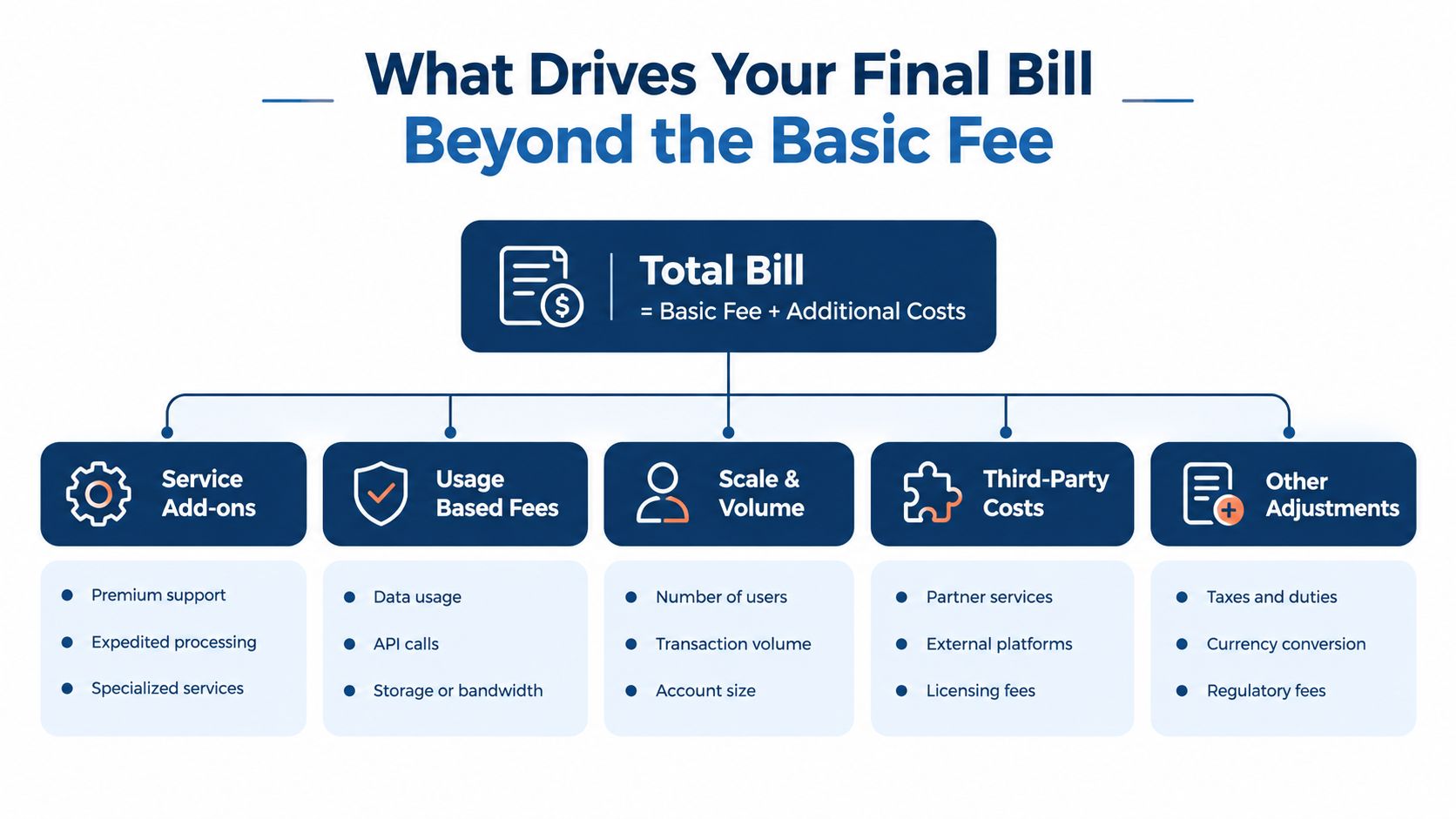
1. What is blocking the pipe
Hair, soap residue, and ordinary food debris may respond to mechanical clearing. Grease is more persistent because it can coat the inside of a kitchen line rather than form one removable plug.
Roots, hard scale, offset joints, and damaged sections create a different decision. A snake may restore flow temporarily, but it may not remove the condition that keeps catching debris. If the same drain repeatedly fails, the contractor may recommend inspection before choosing a more aggressive method.
2. How the plumber reaches the line
An accessible cleanout makes the job more direct. A buried cleanout, restricted side yard, or line beneath a finished surface can increase setup and labor time.
Los Angeles access varies by property. A narrow lot in West Hollywood, a yard in Pasadena, a hillside home in the Hollywood Hills, and a shared line in a multi-unit building each present different working conditions. Parking and equipment placement can matter too, especially when a larger jetting machine is required.
3. Whether diagnostics are needed
A camera inspection adds a diagnostic step, but it can prevent repeated low-value clearing calls. The camera can show whether the pipe is open, narrowed by buildup, invaded by roots, or structurally compromised.
The Facility Management Insights guide to drain cleaner cables provides additional technical background on cable equipment and how tool selection relates to the job.
4. Whether the method escalates
Standard snaking generally costs less than hydro jetting because jetting requires specialized equipment, setup, and careful application. Published guides place severe or main-line hydro jetting around $300 to $800 or more, as summarized by HomeGuide's drain cleaning cost information.
5. What kind of property is involved
A detached home with one affected fixture is usually simpler than an HOA, commercial facility, or apartment building with shared drainage. Managers may need to coordinate tenant notices, shutoffs, access permissions, and operating hours. A lower per-visit price isn't necessarily the lowest total cost if repeated backups disrupt residents or business activity.
Preventive service can cost less than emergency response because early work often avoids the access, water damage, and equipment complications that appear after a complete backup. The right comparison isn't only today's quote. It's the likely cost of clearing the same problem again.
Emergency vs Same Day and Standard Pricing in Los Angeles
Timing can change your drain cleaning cost because the plumber is reserving labor and equipment under different conditions. A standard appointment during regular business hours gives the company more scheduling flexibility. Same-day service requires rearranging the schedule, while an after-hours emergency call may require a technician to respond at night, on a weekend, or during a holiday.
A slow bathroom sink usually gives you time to choose a standard appointment. You can stop using that fixture, place a container underneath if needed, and ask for a daytime estimate. Paying for immediate dispatch in that situation may not provide much practical benefit.
A main-line backup is different. If wastewater is rising through a tub, floor drain, or toilet, continued use of water can spread contamination and damage flooring or lower-level finishes. In that situation, prompt service may protect the property even if the appointment carries a higher timing-related charge.
Three timing choices
Standard scheduling works for a gradual slowdown, a single fixture, or a recurring issue that isn't actively overflowing. It gives you time to compare contractors and ask for a written scope.
Same-day scheduling fits a drain that's becoming unusable or a household that can't reasonably wait. It may offer a compromise between convenience and emergency response.
Emergency dispatch is for active backups, overflowing fixtures, or conditions that threaten the home. The priority is stopping water use, limiting exposure, and locating the restriction quickly.
A Saturday backup in Santa Monica may demand a different response than a slow drain discovered on Monday morning in the San Fernando Valley. The plumbing issue may be similar, but availability and response conditions aren't.
Before approving work, ask dispatch four direct questions:
- Visit charge: Is there a separate diagnostic or dispatch fee?
- Timing: Is the quoted price for standard, same-day, or after-hours service?
- Scope: Does the price include only the initial clearing, or also camera inspection and additional methods?
- Approval: Will the plumber explain the next step and price before moving from snaking to jetting?
You can also review emergency drain cleaning service options when wastewater is actively backing up. Don't keep flushing, showering, or running appliances while waiting. Reducing water flow can limit the amount reaching the blocked section.

How to Get an Accurate Quote and Choose a Trusted Contractor
A reliable estimate starts with accurate information. Before calling, note which fixtures are affected, when the problem began, whether water backs up elsewhere, and whether the issue has happened before. Tell the plumber if you own a single-family home, manage an HOA, operate a commercial site, or live in a multi-unit building.
Ask for the decision points
A transparent contractor should be able to explain:
- What they know now: Is the quote based on a fixture clog, a shared branch line, or a suspected main-line problem?
- What remains uncertain: Does someone need to locate a cleanout or run a camera?
- What the first method includes: Is the initial price for mechanical snaking?
- When escalation applies: What finding would justify hydro jetting?
- What happens if damage appears: Will the plumber stop and show you the evidence before proposing repair?
A camera inspection can be sensible when a clog keeps returning or when multiple fixtures show symptoms. It's less necessary for every first-time, easily accessible fixture clog. The contractor should connect the recommendation to your symptoms rather than automatically adding every service.
Look for a quote that separates labor, access, diagnostics, snaking, hydro jetting, and repair recommendations. You don't need a long technical lecture, but you do need to know what you're authorizing and what could change the price.
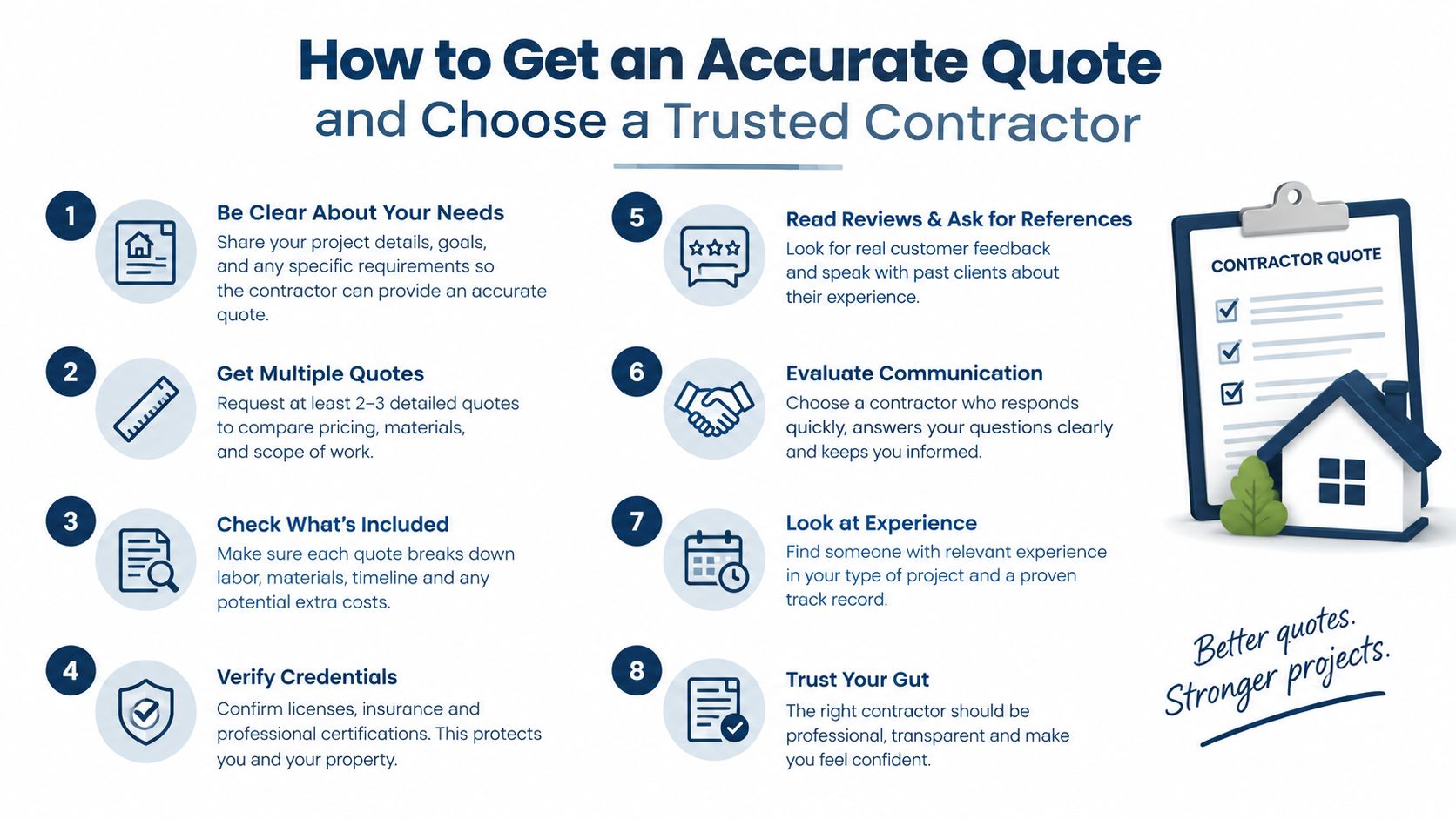
Use this contractor checklist
- Licensing and insurance: Confirm that the company can legally perform the work and carries appropriate coverage.
- Written scope: Ask for the proposed method and exclusions in writing.
- Local experience: Check whether the plumber regularly works with Los Angeles homes, HOAs, and commercial properties.
- Access planning: Find out whether the estimate changes if the cleanout is buried or inaccessible.
- Diagnostic explanation: Ask why a camera is recommended and what it will confirm.
- Method choice: Make sure snaking and hydro jetting aren't presented as interchangeable.
- Warranty language: Understand what the company guarantees, and what recurring or structural problems are excluded.
- Communication: Choose a contractor who explains changes before performing additional work.
EZ Plumbing is one Los Angeles option that describes licensed and insured service, 24/7 emergency response, same-day scheduling, clear communication, and a satisfaction guarantee. You can also read how plumbing estimates help Los Angeles homeowners make informed choices before your appointment.
Smart Ways to Save and When to Invest in a Lasting Fix
The cheapest drain cleaning method isn't always the cheapest solution. A snake can be appropriate for a one-time hair or soap clog, but it may be poor value when grease, roots, scale, or pipe damage causes the same backup to return.
Published pricing comparisons place standard snaking around $100 to $350, while hydro jetting for severe or recurring blockages is commonly around $250 to $800 or higher, according to PlumbFixNow's drain cleaning cost guide. That gap matters when a property manager is deciding between repeated clearing calls and a diagnostic-and-remediation plan.
Match the investment to the pattern
A one-time fixture clog usually calls for the simplest suitable method. Use drain screens, keep grease out of kitchen lines, and avoid flushing items that don't belong in the toilet. These habits reduce the material entering the system, but they can't correct a damaged or poorly functioning pipe.
Recurring problems deserve a different calculation. If the same kitchen line or main lateral keeps blocking, ask whether a camera inspection can identify the reason. Hydro jetting may be appropriate for grease or buildup, while roots, offset joints, bellies, or collapsed sections may require repair rather than another cleaning.
For an HOA or commercial property, the cost of downtime can exceed the service invoice. A blocked shared line may affect several units, interrupt operations, and require emergency coordination. Inspection plus a suitable cleaning method can be a more sensible lifecycle decision than repeatedly paying for temporary flow restoration.
The best way to save is to call before the drain becomes an active backup, describe the full symptom pattern, and ask for a written comparison of the available methods. A clear quote should help you decide whether you're paying for a one-time clearing or addressing the reason the line keeps closing.
EZ Plumbing provides drain cleaning, hydro jetting, camera-based sewer diagnostics, and emergency plumbing service for Los Angeles homes, HOAs, property managers, and commercial properties. Visit EZ Plumbing to request service, explain your symptoms, and get a clear recommendation for the method your drain needs.