
What Is Plumbing Venting? A Homeowner’s Guide
Plumbing venting is defined as the network of pipes in your home’s Drain-Waste-Vent (DWV) system that balances atmospheric pressure in drainage lines to protect fixture traps and keep wastewater flowing freely. Without this system, every drain in your kitchen and bathroom would gurgle, slow down, or fill your home with sewer gas. Understanding what is plumbing venting gives you the knowledge to catch problems early, make smarter renovation decisions, and know when to call a licensed plumber. The DWV system relies on vents to protect the water seal in P-traps, and when that seal fails, sewer gas has a direct path into your living space.
How does plumbing venting work?
Plumbing venting works by admitting outside air into the drainage system to prevent vacuum formation and protect P-trap water seals. Think of it like a drinking straw with your thumb pressed over the top. When you lift your thumb, water flows freely. Press it down, and the vacuum holds the water in place. Your drain pipes work the same way. Without air entering the system, water rushing down a drain creates negative pressure that can suck the water right out of nearby P-traps.
Vent pipes extend through the roof to release sewer gases safely and allow fresh air to enter the system, keeping pressure balanced inside every drain line. The main vent stack is a vertical pipe that runs from your lowest drain connection up through the roof. Smaller branch vents connect individual fixtures to this stack. Air enters at the top, travels down, and equalizes pressure throughout the system as water drains.
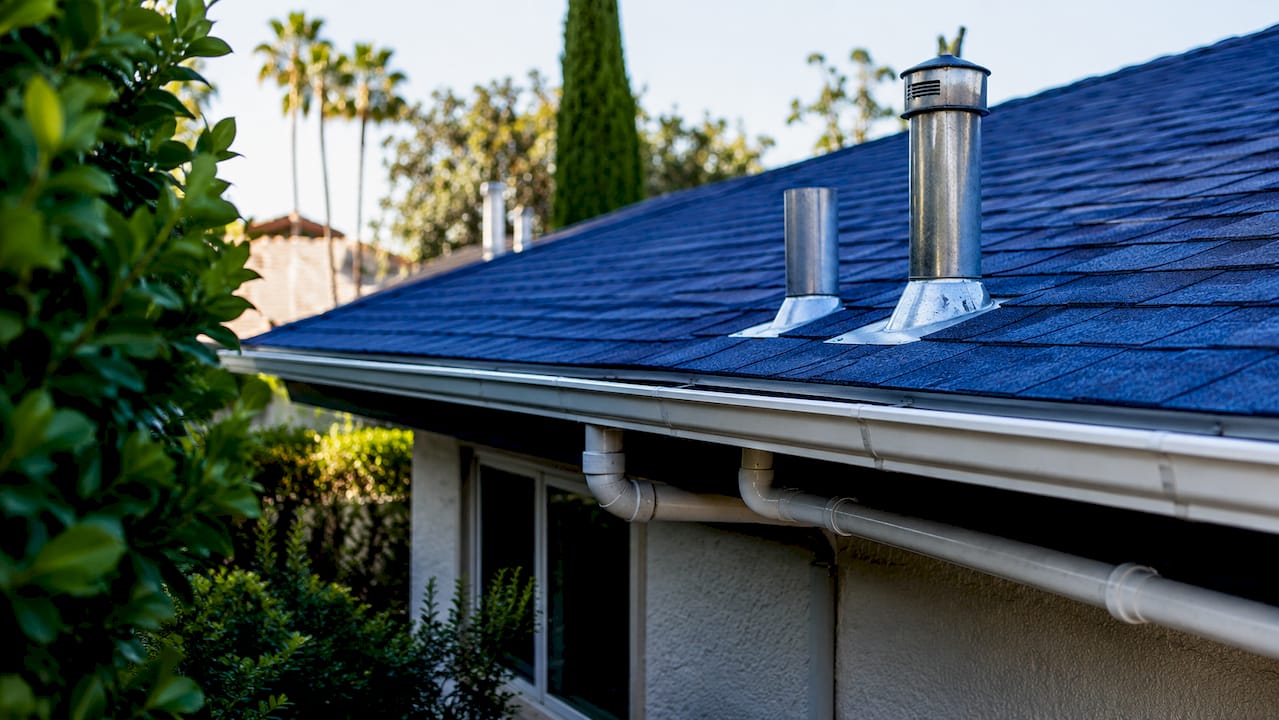
When the vent system fails, the symptoms are hard to ignore. A failing vent system commonly causes gurgling noises, slow drainage, and foul odors because P-trap water seals get compromised. That gurgling you hear from your toilet when the kitchen sink drains is not a clog. It is air starvation caused by a blocked or undersized vent.
Common signs of vent trouble include:
- Gurgling sounds from toilets or floor drains when other fixtures are in use
- Slow drainage across multiple fixtures at the same time
- Sewer odors in bathrooms or kitchens, especially after heavy use
- Bubbling water in the toilet bowl without flushing
Pro Tip: If you notice gurgling in your toilet every time you run the washing machine, that cross-fixture symptom almost always points to a vent problem, not a clog. A camera inspection of the vent stack can confirm it quickly.
What are the main types of plumbing vents?
The 2024 International Plumbing Code (IPC) classifies several vent types, each with specific residential and commercial applications. Knowing which type serves your home helps you understand why your plumber routes pipes the way they do, and what to expect during a bathroom or kitchen renovation.
An individual vent (also called a back vent) connects a single fixture directly to the vent stack. It is the most straightforward arrangement and the one most commonly used for toilets and kitchen sinks. A common vent serves two fixtures installed back to back on opposite sides of a wall, sharing a single vent pipe between them. This is a space-saving approach often used in shared bathroom walls.
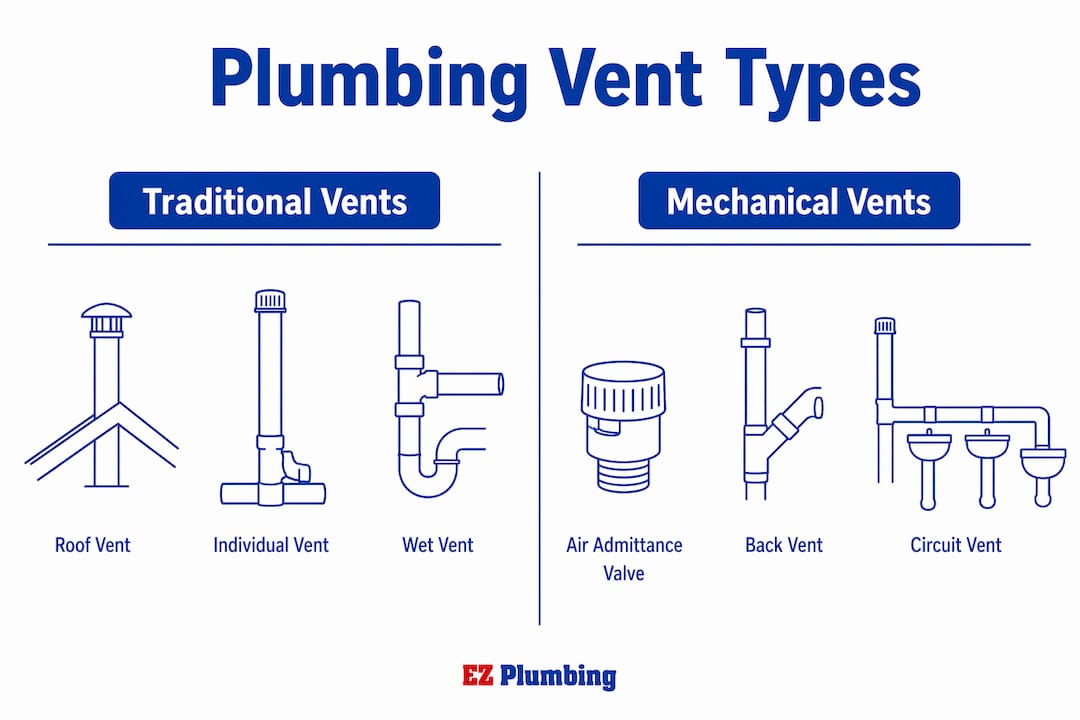
A wet vent does double duty. It carries both wastewater and venting air in the same pipe, which reduces the total number of pipes needed. Wet venting is common in bathroom groups where a lavatory drain also vents a nearby toilet. A circuit vent serves a battery of fixtures, typically floor drains or laundry tubs in a row, using a single vent that loops back to the stack.
Air Admittance Valves (AAVs) are mechanical devices that open under negative pressure to admit air and close to block sewer gases. AAVs must be sized per Drain Fixture Units (DFUs) and kept accessible for maintenance or replacement. They are a practical solution for island sinks or remodeled spaces where running a vent pipe through the roof is not feasible.
| Vent type | How it works | Typical use |
|---|---|---|
| Individual vent | Connects one fixture to the vent stack | Toilets, kitchen sinks |
| Common vent | One vent shared by two back-to-back fixtures | Shared bathroom walls |
| Wet vent | Carries waste and air in the same pipe | Bathroom groups |
| Circuit vent | One vent loop serves a row of fixtures | Laundry rooms, floor drains |
| Air Admittance Valve (AAV) | Mechanical valve opens for air, closes for gas | Island sinks, remodels |
Pro Tip: AAVs are not a universal replacement for traditional roof vents. Many local codes, including those in Los Angeles, restrict where AAVs can be installed. Always check with a licensed plumber before choosing an AAV for a new fixture location. You can also review venting alternatives to understand how different systems compare.
Common plumbing vent installation mistakes to avoid
Proper vent installation follows a clear set of rules, and most homeowner mistakes happen during renovations when existing vent pipes get moved, cut, or ignored. Failing to maintain proper vent protection when changing drain layouts is one of the most common remodeling errors, and it causes performance issues that are difficult to diagnose later.
Pipe sizing is the first place things go wrong. Incorrect vent pipe dimensions or excessive horizontal runs starve the system of air and create hard-to-diagnose drainage problems. A vent pipe that is too narrow for the fixture it serves cannot move enough air to equalize pressure. Horizontal vent runs that slope the wrong way can trap water and block airflow entirely.
Even minor vent pipe alterations during DIY remodels that fail to account for Drain Fixture Unit (DFU) calculations can permanently degrade system airflow. DFU calculations determine how much drainage load a vent pipe must handle. Skipping this step during a bathroom remodel is a common reason homeowners end up with slow drains six months after a renovation that seemed to go fine. For a full breakdown of what to watch for, the bathroom remodeling plumbing tips from Ez-plumbing cover updated venting codes and renovation best practices.
Use this checklist to assess your vent system’s health:
- Listen for gurgling sounds from toilets or drains when other fixtures run.
- Check for sewer odors in bathrooms or under kitchen sinks, especially after heavy use.
- Look for slow drainage in multiple fixtures simultaneously, which rules out a single clog.
- Inspect accessible AAVs for stiffness or failure to open and close freely.
- After any renovation, confirm with a licensed plumber that vent pipe sizing and routing meet current IPC standards.
Local codes restrict AAVs to specific accessible locations because their internal membranes degrade over time, unlike passive vent pipes that can last decades without attention.
Why plumbing vents are critical for a healthy home
Plumbing vents protect indoor air quality by blocking sewer gases from entering your living space. The gases that escape from a dry or siphoned P-trap include methane and hydrogen sulfide. Both are hazardous. Methane is flammable. Hydrogen sulfide causes headaches, nausea, and respiratory irritation even at low concentrations. A functioning vent system is your home’s primary defense against both.
Vent pipe failures let your plumbing system lose its ability to breathe, making drainage noisy, slow, and unreliable. The connection between vent health and drainage performance is direct. When air cannot enter the system freely, water drains slowly and creates pressure swings that stress pipe joints over time. Those stress points can develop into leaks, especially in older homes with galvanized or clay pipe sections.
“Common homeowner complaints of odors and noisy drains usually signal vent system failures rather than simple clogs. Diagnosing the vent system first saves time, money, and unnecessary drain cleaning that will not fix the real problem.”
Early warning signs worth acting on include persistent sink drain smells that return after cleaning, toilets that bubble without flushing, and drains that slow down seasonally when debris collects on roof vent openings. Roof vent openings can collect leaves, bird nests, and debris, especially after Los Angeles wind events. A blocked roof vent produces the same symptoms as a cracked vent pipe inside the wall.
Ez-plumbing’s take on what homeowners get wrong about venting
Most homeowners I talk to have never thought about their vent system until something goes wrong. That is completely understandable. Vents are invisible. They run inside walls and through the roof, and they work silently when they are healthy. The problem is that “invisible” often becomes “forgotten” during renovations, and that is where the real damage happens.
The calls I see most often involve a bathroom remodel that went well on the surface but left a vent pipe capped, rerouted incorrectly, or undersized for the new fixture layout. The homeowner notices slow drains a few months later and assumes it is a clog. After a drain cleaning that does not fix anything, they call us. By that point, the fix is more involved than it would have been if venting had been addressed during the remodel.
My practical advice: before any kitchen or bathroom renovation, ask your contractor specifically how the vent system will be affected. If they cannot give you a clear answer, bring in a licensed plumber to review the plan. Proactive vent system care costs far less than diagnosing and repairing hidden problems after drywall goes up. You can also review warning signs of plumbing problems to build a baseline understanding of what normal versus troubled plumbing looks and sounds like.
— EZ
Ez-plumbing can help with your home’s vent and drain system
Ez-plumbing is a licensed plumbing company (C-36 License #583868) serving the greater Los Angeles area, with expertise in residential vent system inspection, repair, and installation. Whether you are dealing with gurgling drains, sewer odors, or planning a bathroom renovation that involves rerouting pipes, the Ez-plumbing team brings code-compliant solutions backed by decades of experience.
Ez-plumbing also handles professional drain cleaning for homeowners who need to rule out clogs before addressing vent issues, as well as water heater installation and full residential plumbing services across Los Angeles neighborhoods. Call Ez-plumbing to schedule an inspection and get a clear picture of your home’s vent system health before a small issue becomes a costly repair.
FAQ
What is a plumbing vent in simple terms?
A plumbing vent is a pipe that connects your home’s drain system to outside air, balancing pressure so water flows freely and sewer gases cannot enter your living space. It is part of the Drain-Waste-Vent (DWV) system.
How do I know if my plumbing vent is blocked?
The clearest signs of a blocked vent are gurgling sounds from toilets when other fixtures drain, slow drainage across multiple fixtures, and sewer odors in bathrooms or kitchens. A gurgling toilet triggered by sink drainage specifically indicates air starvation from a vent issue.
Can I install an Air Admittance Valve myself?
AAVs can be installed by a skilled DIYer, but sizing them correctly requires calculating Drain Fixture Units for the connected fixtures. Local codes also restrict where AAVs are permitted, so confirm compliance with Los Angeles municipal requirements before installation.
What is a vent stack in plumbing?
A vent stack is the main vertical vent pipe that runs from the lowest drain connection up through the roof. It serves as the central air channel for the entire drainage system, connecting branch vents from individual fixtures and releasing sewer gases safely outside.
How often should plumbing vents be inspected?
Plumbing vents do not require routine annual inspection in most homes, but a professional check is advisable after any renovation that affects drain or vent pipe routing, after storm events that may deposit debris on roof vent openings, or whenever you notice drainage or odor symptoms.
Key takeaways
A properly functioning vent system is the single most important factor in keeping your home’s drainage quiet, odor-free, and code-compliant.
| Point | Details |
|---|---|
| Venting protects P-traps | Vent pipes equalize pressure to prevent siphoning of P-trap water seals and block sewer gas entry. |
| Multiple vent types exist | The 2024 IPC recognizes individual, common, wet, circuit, and AAV venting methods for different fixture layouts. |
| Renovation is the highest risk | Altering vent pipes without DFU calculations during remodels causes hidden, long-term drainage problems. |
| Symptoms signal vent failure | Gurgling, slow drains, and sewer odors across multiple fixtures point to vent issues, not simple clogs. |
| Professional review prevents costs | A licensed plumber should confirm vent routing and sizing before any kitchen or bathroom renovation is completed. |