
The Role of Plumbing in Home Value: What Buyers Need to Know
Most homeowners spend years building equity in their property without realizing that the pipes behind their walls and beneath their floors can quietly erode that value — or protect it. The role of plumbing in home value is more significant than most sellers expect. Appraisers flag it. Buyers filter by it. Deals collapse over it. Whether you’re preparing to list or simply trying to preserve what you’ve built, understanding how plumbing condition connects to buyer confidence, negotiation outcomes, and final sale prices gives you a real advantage in any market.
Table of Contents
- Key takeaways
- How plumbing condition influences home value
- Plumbing upgrades that add resale value
- Major plumbing infrastructure and home value
- Documenting and maintaining plumbing to protect value
- Common plumbing problems that lower home value
- My take on plumbing as a home equity asset
- How Ez-plumbing helps protect your home’s value
- FAQ
Key takeaways
| Point | Details |
|---|---|
| Plumbing shapes buyer confidence | Outdated or faulty plumbing triggers lower offers, repair demands, and sometimes deal cancellations. |
| Water-efficient upgrades pay off | WaterSense fixtures reduce utility costs and attract buyers focused on long-term savings. |
| Documentation builds trust | Service records, warranties, and inspection reports reduce buyer-perceived risk and speed up transactions. |
| Major infrastructure matters | Repiping with PEX or copper resolves appraisal and financing red flags tied to aging pipe materials. |
| Proactive beats reactive | Addressing plumbing issues before listing costs far less than post-inspection concessions or price reductions. |
How plumbing condition influences home value
When a buyer walks through your home, they’re not seeing the pipes. But a licensed home inspector will examine them thoroughly, and the results get documented in a report that directly shapes how buyers perceive risk. The impact of plumbing on property value shows up in three places: the appraisal, the inspection report, and buyer psychology during negotiation.
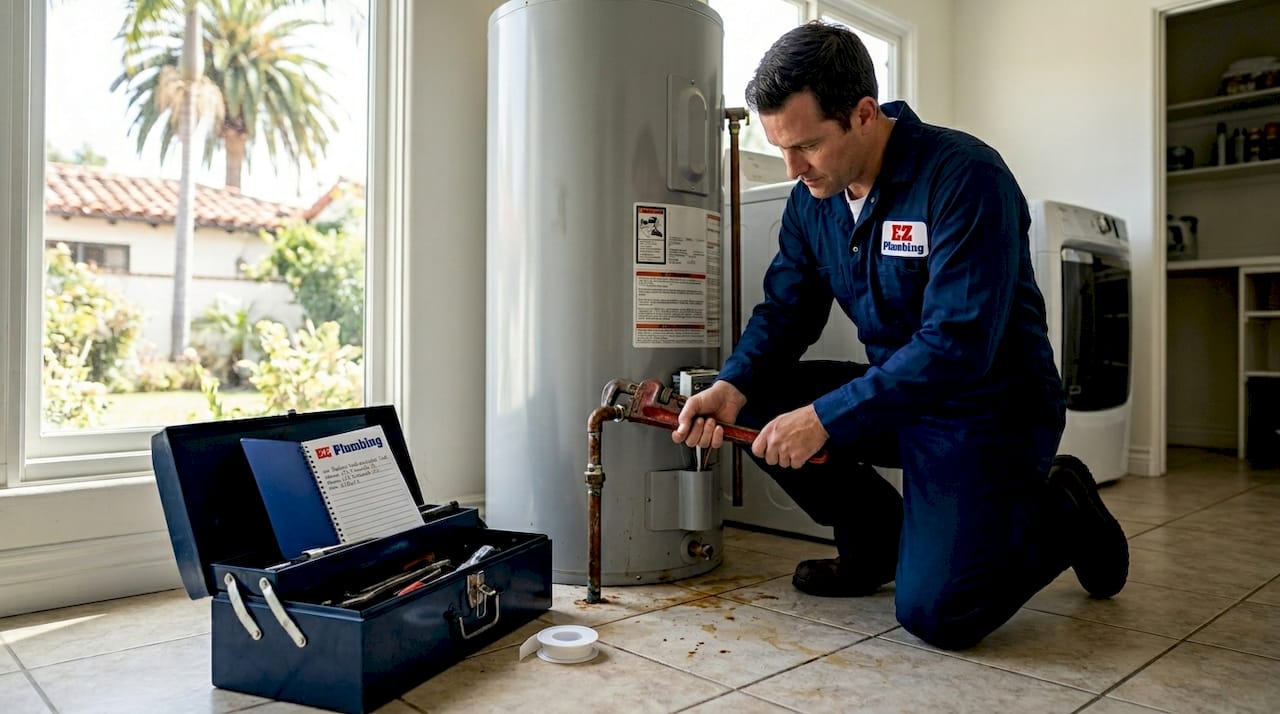
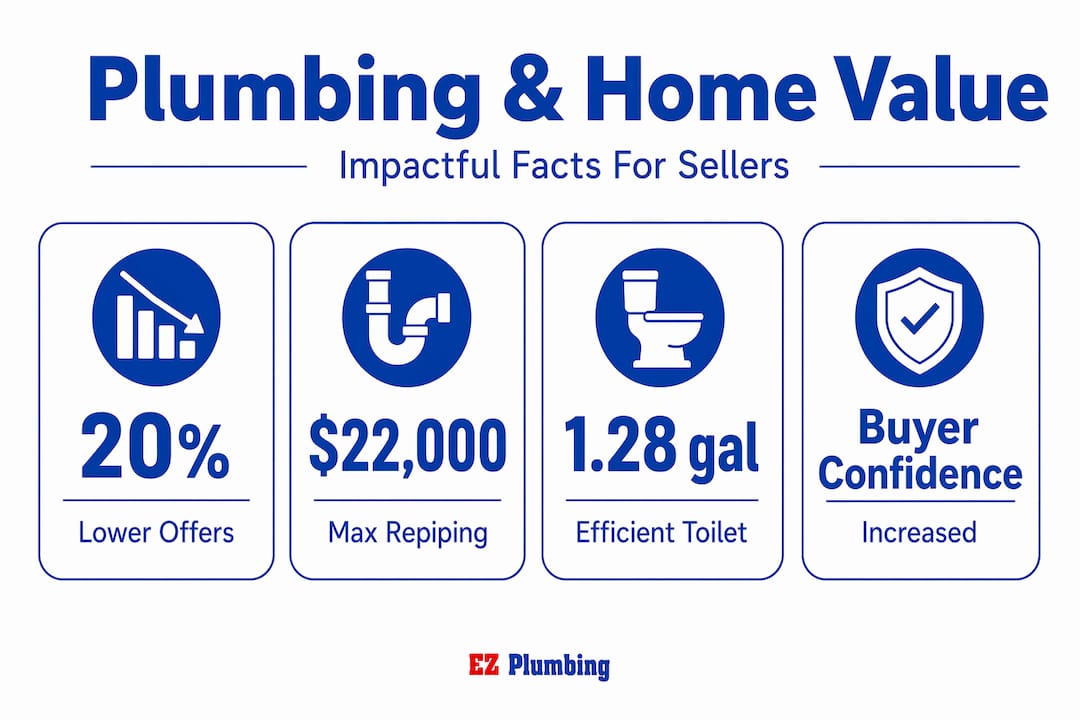
Inspectors look at water pressure, pipe material, visible corrosion, water heater age, drain function, and signs of past leaks. Any one of these findings can shift the conversation from “we love this house” to “we need a credit before we close.” Outdated or poorly maintained plumbing reduces buyer confidence and can trigger lower offers, repair negotiations, or outright deal cancellations. Financing institutions also take note. Lenders have been known to require plumbing repairs before approving certain loan types, particularly FHA and VA mortgages, where property condition standards are strict.
Plumbing also signals something broader to buyers: how well the home has been maintained overall. If the plumbing is neglected, buyers assume the HVAC, roof, and electrical have been treated the same way. It’s a trust signal, not just a technical detail. Homes with updated, well-documented plumbing generally attract stronger offers and faster sales because buyers use plumbing system quality as a risk management filter.
A few plumbing red flags that reliably damage buyer confidence include:
- Galvanized steel pipes showing corrosion or restricted water pressure
- Polybutylene piping, which insurers in many markets refuse to cover
- Active or patched leaks with visible water staining on ceilings or walls
- A water heater more than 12 years old without recent service documentation
- Slow drains or gurgling sounds suggesting blocked or compromised sewer lines
Buyers don’t just evaluate what a home is worth today. They evaluate what it will cost them tomorrow. Plumbing condition is one of the clearest signals of future expense they have.
Plumbing upgrades that add resale value
Not every plumbing upgrade requires tearing out walls. Several targeted, cost-effective improvements directly increase buyer appeal while improving daily functionality for you in the meantime.
Water-efficient fixtures are among the highest-return upgrades available. WaterSense toilets use 1.28 gallons per flush compared to 1.60 gallons for standard models, and WaterSense showerheads deliver 2.0 gallons per minute versus the 2.5 gpm standard. Those numbers translate into measurable annual savings on water bills, which buyers increasingly factor into their purchase decisions. Buyers who value efficiency and sustainability see WaterSense-labeled products as evidence of a forward-thinking home.
Garbage disposal installation is another straightforward win. Disposal installation averages around $500 and offers kitchen convenience that buyers notice immediately. Modern faucet replacements with pull-down sprayers, touchless activation, or filtered water output also make an impression in kitchen and bath showings without significant cost.
| Upgrade | Estimated Cost | Buyer Appeal | ROI Profile |
|---|---|---|---|
| WaterSense toilet | $250–$500 | High (utility savings) | Strong |
| Low-flow showerhead | $50–$150 | Medium-High | Excellent |
| Garbage disposal | $400–$600 | Medium-High | Strong |
| Modern kitchen faucet | $200–$600 | High (visual impact) | Strong |
| Tankless water heater | $1,500–$3,500 installed | Very High | Strong long-term |
Pro Tip: When replacing fixtures before a sale, choose finishes that match throughout the home. Mismatched hardware in different rooms signals incomplete renovations and reduces perceived quality.
The importance of plumbing in real estate extends to drainage capacity and pressure regulation as well. A home with strong, consistent water pressure and drains that clear quickly passes the basic functionality test that buyers and inspectors apply in every showing.
Major plumbing infrastructure and home value
At some point, aging pipe infrastructure stops being a maintenance issue and becomes a marketability issue. Homes built before 1980 in the Los Angeles area often have galvanized steel or older copper pipes that have narrowed internally due to mineral buildup. Homes from the 1960s and 1970s may have plumbing, wiring, and structural red flags that inspectors are specifically trained to document, often creating significant negotiation leverage for buyers.
Whole-house repiping resolves these concerns directly. Repiping costs range from $4,500 to $22,000, depending on home size, pipe material, and access complexity. PEX piping runs 40 to 60 percent less than copper but still delivers excellent durability, flexibility, and corrosion resistance. For a typical 1,500 to 2,000 square foot home, a PEX repipe in 2026 typically falls between $6,000 and $11,000. That cost, relative to what it removes from the negotiation table, often makes financial sense before listing.
| Pipe Material | Cost Profile | Lifespan | Market Perception |
|---|---|---|---|
| PEX | Lower cost | 40-50 years | Modern, buyer-friendly |
| Copper | Higher cost | 50+ years | Premium, appraiser-approved |
| Galvanized steel | N/A (replacement) | Past service life | Major red flag |
| Polybutylene | N/A (replacement) | Past service life | Financing and insurance risk |
Sewer laterals deserve particular attention. A camera inspection of the main sewer line often reveals root intrusion, cracking, or collapse in clay laterals common to older Los Angeles neighborhoods. Sewer lateral defects found during buyer inspections consistently create negotiation pressure and can reduce sale price by thousands of dollars, sometimes more. Addressing known sewer issues before listing removes one of the most expensive post-inspection surprises a buyer can discover.
Pro Tip: Order a pre-listing sewer camera inspection before you accept any offers. If there are problems, you can price the repair into your asking price strategically rather than scrambling under contract pressure.
Documenting and maintaining plumbing to protect value
Plumbing maintenance documentation is one of the least-used seller advantages in real estate, and it’s essentially free to build. A well-organized plumbing packet given to buyers at closing, or even during the offer review period, sends a clear message: this home has been cared for by people who kept records.
Here’s what a strong plumbing documentation packet should include:
- Water heater installation date, model, serial number, and any service records
- Appliance manuals and warranties for garbage disposals, water filtration systems, and fixtures
- Records of any repiping, drain cleaning, sewer inspections, or leak repairs with dates and contractor names
- Permit records for any plumbing work that required city approval
- Results of any pre-listing camera sewer scope with the inspection report attached
Routine upkeep costs are fractional relative to what deferred maintenance ends up costing at the negotiation table. A camera sewer scope costs a few hundred dollars. A last-minute sewer repair demanded under contract pressure can run $3,000 to $15,000, with a compressed timeline and minimal leverage. The math is straightforward. Professional sewer camera inspections pre-listing uncover hidden issues before buyers find them, shifting the dynamic from reactive crisis to planned disclosure.
Consistent maintenance, which you can review through Los Angeles homeowner plumbing tips, also prevents the gradual value erosion that comes from minor issues compounding over time.
Common plumbing problems that lower home value
Some plumbing problems reduce value quietly over months and years. Others show up in an inspection report and immediately cost you money. Knowing which problems buyers and inspectors flag most often gives you a clear list of things to address before you list.
The most damaging issues include:
- Active leaks or water damage evidence. Water staining on ceilings, warped cabinetry under sinks, or soft spots in flooring trigger immediate concern and typically require professional remediation documentation before buyers will proceed.
- Polybutylene pipes. Many insurers refuse to cover homes with polybutylene, which means financing can fall through entirely if this pipe material is identified during inspection.
- Aging water heaters. Water heater condition and efficiency has grown in market significance as utility costs rise. A water heater over 12 years old is often flagged for replacement, and buyers will typically ask for a credit or repair.
- Low water pressure or inconsistent flow. This signals either mineral buildup in aging pipes, pressure regulator failure, or supply line restrictions. Any of these findings raises questions about overall plumbing system health.
- Sewer backups or slow secondary drains. These suggest blockage or structural issues in the main line, which trigger costly repair estimates and serious buyer hesitation.
You can find practical guidance on recognizing these issues early through common plumbing problem fixes tailored specifically to Los Angeles homes. The goal is to avoid giving buyers documented evidence of deferred maintenance, because that documentation becomes a negotiating weapon.
Maintaining home plumbing proactively by scheduling annual inspections, addressing slow drains before they become blockages, and replacing aging fixtures on a planned schedule costs less over time than responding to emergencies on a buyer’s timeline.
My take on plumbing as a home equity asset
I’ve worked on plumbing systems across Los Angeles for years, and the pattern I see most often is this: sellers are surprised. They didn’t realize the clay sewer lateral under their Silver Lake bungalow had root intrusion. They didn’t know the galvanized supply lines in their 1968 Reseda home had reduced to half their original interior diameter. They assumed a working faucet meant a healthy system.
In my experience, the homes where plumbing made or broke a deal weren’t the ones with catastrophic failures. They were the ones with undisclosed, manageable issues that became deal pressure points because nobody found them first. A buyer who discovers a plumbing problem during their inspection has every incentive to overstate the repair cost and demand maximum credit. A seller who already knows about the issue, has a licensed repair estimate, and can present documentation has complete control of that conversation.
Plumbing as a risk management asset, rather than just a maintenance responsibility, is the mindset shift that separates sellers who get clean closes from sellers who spend the last week before close anxiously renegotiating. If you’re buying, request a sewer scope and pressure test as part of your inspection contingency. If you’re selling, get there first.
— EZ
How Ez-plumbing helps protect your home’s value
If you’re preparing to sell, refinance, or simply protect what you’ve invested in your home, Ez-plumbing offers the inspections, upgrades, and infrastructure services that directly address the plumbing factors buyers and appraisers evaluate. Licensed under C-36 License #583868 and fully code-compliant with LA municipal requirements, Ez-plumbing serves homeowners across the greater Los Angeles area with work that holds up to scrutiny.
From energy-efficient water heater upgrades that modernize a home’s appeal, to sewer line diagnosis and repair that eliminate the most common post-inspection negotiation leverage buyers use, the Ez-plumbing team handles the full scope of what your home’s plumbing health requires. Professional leak detection services locate hidden water loss before it becomes visible damage. WaterSense fixture installation, drain cleaning, and repiping consultations are all available for homes at any stage of the sale preparation process. Contact Ez-plumbing to schedule a pre-listing plumbing evaluation and take that variable off the table before you list.
FAQ
Does plumbing condition affect home appraisal value?
Yes. Appraisers factor in plumbing system age, material, and visible condition when assessing property value, and outdated or damaged plumbing can result in a lower appraised value or required repairs before financing is approved.
What plumbing upgrades offer the best return before selling?
WaterSense toilets, modern faucets, garbage disposals, and tankless water heater installations consistently deliver strong buyer appeal relative to their cost, with plumbing upgrades and resale value closely linked in homes with updated, documented systems.
How does plumbing influence home sales negotiations?
Buyers treat plumbing problems found during inspection as repair credits, and inspection reports noting plumbing red flags often limit offer quality or create post-contract renegotiation pressure, sometimes by amounts far exceeding the actual repair cost.
Should I get a sewer inspection before listing my home?
Yes. A pre-listing camera sewer scope costs a few hundred dollars and identifies root intrusion, cracks, or collapses in the sewer lateral before buyers discover them, giving you control over how those issues are disclosed and priced.
Can plumbing systems affect home equity over time?
Absolutely. Routine plumbing maintenance preserves plumbing systems and home equity by preventing the cumulative damage that deferred maintenance creates, while proactive upgrades add measurable value to the property.