
Rental Property Plumbing Tips for Landlords: 2026 Guide
Rental property plumbing tips are the difference between a well-run investment and a money pit. Water damage costs property owners an average of $11,000 per incident, and 80% of plumbing emergencies are preventable through structured upkeep. The landlords who avoid those bills share three habits: regular inspections, early leak detection, and clear tenant communication. This guide covers exactly what you need to protect your property and your bottom line.
1. What are the most common plumbing problems in rental properties?
Toilets cause 36% of plumbing issues in residential properties, making them the single most important fixture to inspect at every tenant turnover. Shower and tub valve failures follow at 20%, and faucet problems account for 15%. That means three fixture types cover the majority of rental plumbing issues you will face.
Beyond fixture failures, blockages are the most frequent day-to-day complaint. Grease buildup, so-called “flushable” wipes, and sanitary products are the leading causes of drain and sewer line blockages. Flushable wipes cause sewer line backups despite their marketing claims, and the repair bills are significant. Tenant education on this point alone can eliminate a recurring cost category.
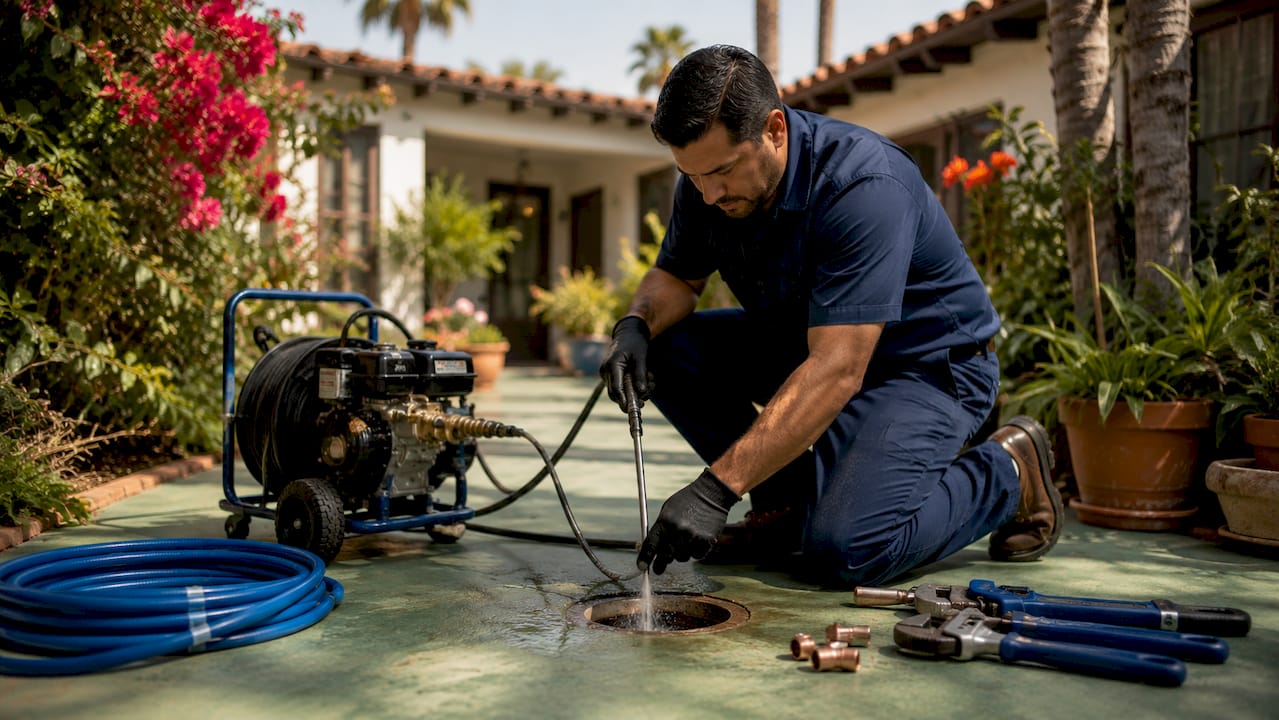
Leaking pipes present a different challenge because they are often invisible until damage is already done. A dripping faucet wastes over 3,000 gallons of water annually, driving up utility costs and causing cabinet rot behind the scenes. Water heater failures and wastewater backups round out the list of common rental plumbing issues, both of which escalate quickly when not caught early. Knowing these patterns lets you build a maintenance schedule that targets the highest-risk areas first. For a deeper look at frequent issues in the Los Angeles area, the common plumbing problems guide from Ez-plumbing covers local-specific conditions in detail.
2. How can landlords implement an effective plumbing maintenance schedule?
Recurring, documented inspections at every tenant turnover and at least annually form the foundation of effective property plumbing maintenance. A consistent schedule removes guesswork and creates a paper trail that protects you in insurance claims and tenant disputes. The inspection should cover the same checklist every time so nothing gets missed.
A thorough inspection covers these core items:
- Shut-off valves: Turn each one to confirm it operates freely. Valves that seize up are useless in an emergency.
- Toilet flapper test: Drop a dye tablet or food coloring into the tank. Color appearing in the bowl confirms a flapper leak wasting water silently every day.
- Water pressure check: Pressure above 80 PSI stresses pipes and fixtures. A pressure gauge costs under $15 and takes two minutes to use.
- Drain traps: Run water in every fixture and check under sinks for slow drainage or moisture.
- Water heater inspection: Flush sediment annually. Tankless water heaters require professional cleaning of burners and pressure relief systems every 1–2 years to maintain efficiency and safety.
- Moisture check: Inspect under sinks, around toilets, and near the water heater for soft drywall, staining, or mold.
Document every inspection with photos and written notes. Store records in a property management system or a shared folder organized by unit and date.
Pro Tip: Schedule inspections at tenant move-out rather than move-in. The property is vacant, you have full access, and any damage is fresh and attributable.
3. What practical steps reduce plumbing emergencies and water damage risks?
The most effective emergency prevention combines physical upgrades with simple monitoring habits. You do not need expensive technology. A few low-cost changes eliminate the most common causes of sudden water damage.
Start with your water meter. Turn off all fixtures and check whether the meter dial is still moving. Any movement confirms a phantom leak somewhere in the system. This test takes five minutes and can catch a slow pipe leak before it saturates a wall or subfloor.
Physical upgrades that deliver the highest return include:
- Braided stainless steel hoses: Replace rubber washing machine hoses with braided stainless steel every 3–5 years. Rubber hoses fail without warning and can flood a unit in hours.
- Drain strainers: Install mesh strainers in every sink and shower. They cost under $5 each and prevent the majority of hair and debris clogs.
- Pipe insulation: Wrap exposed pipes in unheated spaces before winter. Burst pipes from freezing are among the most expensive emergency repairs a landlord faces.
- Outdoor hose bibs: Shut off and drain outdoor spigots before cold weather. A frozen hose bib can crack the pipe behind the wall.
- Toilet education: Provide tenants with a written reminder that only toilet paper belongs in the toilet. Post a small sign near the toilet if necessary.
Pro Tip: Check the role of plumbing in flood prevention for a detailed breakdown of how specific plumbing choices affect flood risk in residential properties.
4. How can landlords collaborate with tenants to maintain plumbing effectively?
Tenant behavior drives a significant share of rental plumbing issues. A landlord who treats tenants as partners in property care reduces service calls and catches problems earlier. The goal is to make reporting easy and to remove the common causes of tenant-created damage.
Start by including a plumbing care section in the lease agreement. Specify what tenants are responsible for, such as reporting leaks within 24 hours, not flushing wipes or sanitary products, and keeping drain strainers in place. Written expectations reduce disputes and establish accountability.
Labeling shut-off valves for every major fixture gives tenants the ability to stop a leak immediately, before it becomes a flood. Label each valve clearly with a waterproof tag: “Kitchen sink shut-off,” “Toilet shut-off,” and so on. This single step can prevent thousands of dollars in water damage when a tenant discovers a burst supply line at 2:00 AM.
Encourage tenants to report slow drains immediately. A slow drain is a warning sign, not a minor inconvenience. Catching a partial blockage early costs far less than clearing a full sewer backup. Provide a simple way to report issues, whether that is a text number, an email address, or a property management app. The easier you make reporting, the faster you hear about problems.
Schedule inspections with reasonable notice and at times that respect tenant occupancy. A cooperative tenant who trusts you will report issues promptly. An adversarial relationship produces the opposite result.
5. What are cost-effective upgrades and best practices for rental plumbing longevity?
Strategic upgrades reduce long-term maintenance costs more reliably than reactive repairs. The key is targeting components with the highest failure rates and the lowest replacement costs before they fail.
Flappers and fill valves are the most cost-effective proactive replacement in any rental. A flapper costs under $10 and takes ten minutes to replace. Left unchecked, a leaking flapper wastes hundreds of gallons daily and inflates the water bill. Replace flappers at every turnover regardless of apparent condition.
Tankless water heaters represent a larger upfront investment but deliver measurable long-term savings. They eliminate standby heat loss entirely, which reduces energy consumption compared to traditional tank units. Professional servicing every 1–2 years keeps burners clean and pressure relief valves functioning correctly. For landlords managing multiple units, the tankless water heater options available through Ez-plumbing are worth evaluating against your current equipment age and energy costs.
| Upgrade | Estimated Cost | Primary Benefit |
|---|---|---|
| Braided stainless steel hoses | Low | Eliminates flood risk from hose failure |
| Toilet flapper replacement | Very low | Stops silent water waste |
| Drain strainers | Very low | Prevents hair and debris clogs |
| Tankless water heater | High | Reduces energy costs, extends equipment life |
| Pipe insulation | Low | Prevents freeze damage in winter |
Always use licensed professionals for any repair involving gas lines, main shut-off valves, or sewer connections. Unlicensed work creates liability and can void your property insurance. Maintain a clear record of every repair, including the contractor’s license number, the date, and the scope of work.
Pro Tip: Review the water heater maintenance checklist from Ez-plumbing before your next annual inspection. It covers both tank and tankless systems with specific service intervals.
6. How to read early warning signs before they become emergencies
Plumbing problems announce themselves before they become emergencies. Landlords who know the warning signs act before damage accumulates. The warning signs of plumbing problems fall into a predictable set of categories.
Discolored water from a tap indicates pipe corrosion, often galvanized steel oxidizing from the inside. This is common in Los Angeles properties built before 1970. Rust-colored water is not a cosmetic issue. It signals that pipe walls are thinning and that a leak or full failure is approaching.
Low water pressure across multiple fixtures points to a supply line problem, a failing pressure regulator, or significant mineral buildup inside pipes. Pressure that drops suddenly in a single fixture usually indicates a localized blockage or a failing valve. Both warrant inspection before the next tenant moves in.
Gurgling sounds from drains after flushing a toilet indicate a partial sewer blockage or a venting problem. Left unaddressed, partial blockages become full backups. A camera inspection of the sewer lateral is the definitive diagnostic tool. It shows root intrusion, pipe collapse, and grease accumulation that no surface-level inspection can detect.
7. When to call a licensed plumber instead of handling it yourself
Landlords can handle minor maintenance tasks, but certain situations require a licensed professional. Knowing the boundary protects your property, your tenants, and your legal standing as a landlord.
Call a licensed plumber for any of the following: persistent low water pressure with no obvious cause, water heater replacement or gas line work, sewer line backups that recur after clearing, visible pipe corrosion or galvanized buildup, and any repair that requires opening walls or accessing the main shut-off. In Los Angeles, all plumbing work on rental properties must comply with LA municipal code, and unpermitted work can create problems at resale or during insurance claims.
Ez-plumbing holds C-36 License #583868 and serves the greater Los Angeles area for exactly these situations. For landlords who want a proactive relationship with a licensed plumber rather than a reactive one, establishing that connection before an emergency is the right approach. The proactive steps for LA homes guide outlines how to build that kind of maintenance plan.
Key Takeaways
Effective rental property plumbing maintenance requires documented inspections, proactive upgrades, and clear tenant communication to prevent the majority of costly emergencies.
| Point | Details |
|---|---|
| Inspect at every turnover | Check shut-off valves, flappers, water pressure, and drain traps at each tenant change. |
| Replace hoses proactively | Swap rubber washing machine hoses for braided stainless steel every 3–5 years to prevent flooding. |
| Educate tenants in writing | Include plumbing care rules in the lease and label all shut-off valves clearly. |
| Target toilets first | Toilets cause 36% of plumbing issues; test flappers with a dye tablet at every inspection. |
| Use licensed professionals | All major repairs in LA rental properties require a licensed plumber to stay code-compliant. |
What I’ve learned after years of rental property plumbing calls
The landlords who call us in a panic almost always share one thing in common: they skipped the turnover inspection. Not because they were negligent, but because the unit looked fine on the surface. Plumbing does not look broken until it is very broken.
The single most underrated practice I see landlords skip is valve labeling. When a supply line fails at midnight, a tenant who can find and close the right shut-off valve in 30 seconds prevents $8,000 in water damage. A tenant who cannot find it calls you while water runs for 20 minutes. That difference is a $10 waterproof label and five minutes of setup.
The second pitfall I see constantly is treating tenant complaints about slow drains as low priority. A slow drain is a system telling you something. Ignoring it for two months turns a $150 drain cleaning into a $1,500 sewer backup with tenant displacement. The math is not complicated.
My honest recommendation: build a relationship with a licensed plumber before you need one. Know who you are calling, confirm they are licensed and insured, and schedule annual inspections rather than waiting for a call. Proactive maintenance, backed by documentation, is the only approach that consistently keeps repair costs predictable and tenants satisfied.
— EZ
Ez-plumbing services for rental property owners in Los Angeles
Landlords managing rental properties in the greater Los Angeles area have specific plumbing needs that general maintenance cannot always address. Ez-plumbing provides licensed inspection, repair, and installation services designed for exactly this situation.
Ez-plumbing’s drain cleaning services keep rental unit plumbing clear between tenants, and the leak detection services identify hidden pipe failures before they become water damage claims. For landlords considering equipment upgrades, the water heater installation guide covers both tank and tankless options with cost and efficiency comparisons. Ez-plumbing holds C-36 License #583868 and operates fully insured and code-compliant with LA municipal requirements. Call to schedule a property inspection or discuss a maintenance plan for your rental units.
FAQ
How often should a landlord inspect rental property plumbing?
Inspect at every tenant turnover and at least once annually between tenancies. Documented recurring inspections are the most reliable way to catch problems early and protect against insurance disputes.
What causes most plumbing blockages in rental properties?
Grease, hair, sanitary products, and so-called flushable wipes cause the majority of blockages. Flushable wipes cause sewer backups regardless of their label, and tenant education is the most cost-effective prevention.
How can I tell if a toilet is leaking without visible water?
Drop a dye tablet or food coloring into the toilet tank and wait 15 minutes without flushing. Color appearing in the bowl confirms a flapper leak that is wasting water and increasing utility costs silently.
Are tankless water heaters worth it for rental properties?
Tankless water heaters eliminate standby heat loss and reduce energy costs over time. They require professional servicing every 1–2 years but typically outlast traditional tank units by a significant margin.
What plumbing information should be in a lease agreement?
Include tenant responsibilities for reporting leaks within 24 hours, prohibited items in drains and toilets, and the location of emergency shut-off valves. Written expectations reduce disputes and establish clear accountability for tenant-caused damage. For end of lease inspections, a thorough plumbing walkthrough should be part of the standard property condition review.