
Quickly Diagnose High Water Bill Causes: Homeowner Checklist
Most sudden spikes trace back to one of three things: a household leak, a running toilet being the usual suspect, misprogrammed irrigation or heavy seasonal watering, or a billing quirk like an estimated meter read. Start with two checks tonight: read your water meter with everything shut off, and run a toilet dye test. If the meter keeps moving with no water running anywhere in the house, you’re almost certainly dealing with a leak.
TL;DR:
- Most water bill spikes are caused by household leaks, especially running toilets, continuous water softener cycles, or hidden underground leaks.
- Simple tests like reading the water meter after shutoff and conducting a dye test can reveal leaks without needing professional tools immediately.
- Outdoor irrigation issues, estimated billing, or seasonal watering are common non-leak causes that inflate water and sewer costs, especially during summer.
- Fixing minor leaks yourself takes under 30 minutes, but persistent meter flow or yard damage require professional plumbing services for accurate detection and repair.
- Using habits like reduced shower time, full appliance loads, and installing leak detection devices can prevent high water bills before they happen.
Table of Contents
- What’s Really Driving Your High Water Bill
- How to Check Your Home Right Now
- Outdoor Use and Billing Quirks That Look Like Leaks
- When to Fix It Yourself and When to Call a Plumber
- Cutting Your Bill Before the Next One Arrives
- How to Check Your Meter and Run the Dye Test Correctly
- Field Note From a Plumbing Pro
- Get a Professional Diagnosis From EZ Plumbing
- Sources
What’s Really Driving Your High Water Bill
A bill that jumps without warning almost always fits one of a handful of patterns, and knowing which one you’re dealing with saves you time and money.
Running toilets top the list. A worn flapper or a fill valve that won’t shut off can waste close to 200 gallons a day, and you often won’t hear it happening. Dripping faucets and leaking shower valves add up more slowly but still show up on the bill over a full cycle.
Appliances and water softeners cause more trouble than people expect. A softener stuck in regeneration mode can run water continuously for days, and a washing machine or dishwasher supply line with a slow leak behaves the same way. Water heaters occasionally develop small leaks at the tank seams or fittings, quiet enough to go unnoticed until the bill arrives.
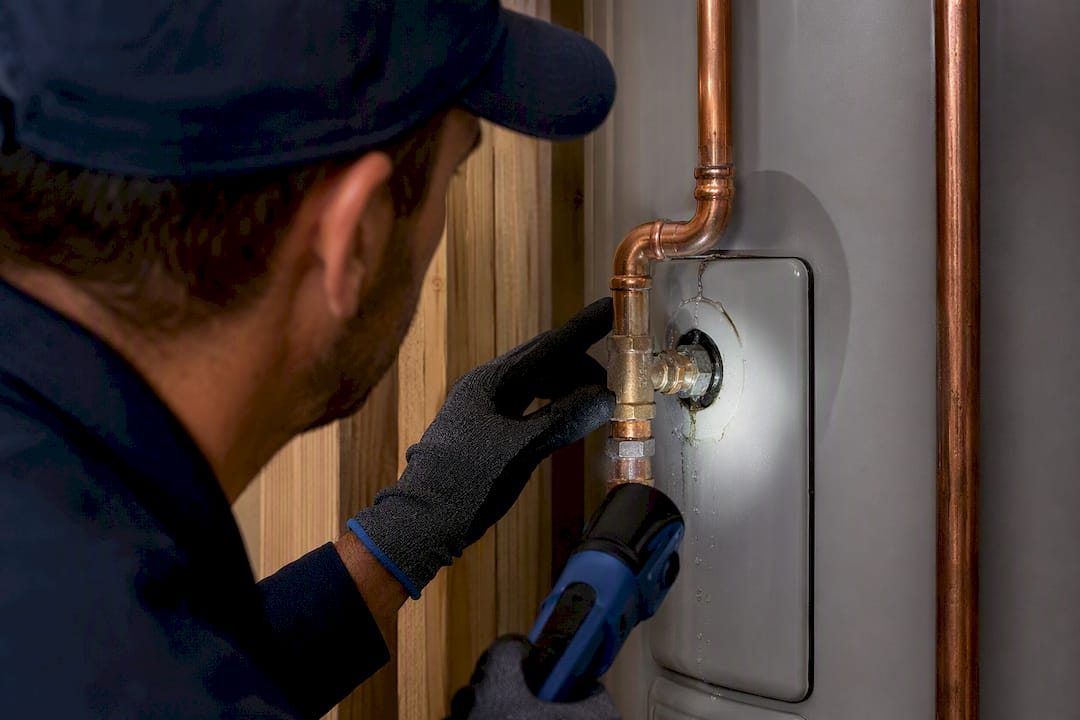
Outdoor systems are a frequent culprit, especially for homes with irrigation. A misprogrammed timer that runs longer or more often than intended, a broken sprinkler head, a leaking hose bib, or a pool that needs constant topping off can each push usage well past normal.
Hidden and service-line leaks are the ones homeowners miss longest. Watch for:
- A wet patch of lawn or a suspiciously green section during dry weather
- Soggy ground near the water line running from the meter to the house
- Cracks in pavement or a sinkhole forming near the yard
- A musty smell near a slab or crawl space with no obvious source
Billing and usage changes matter too. House guests, a party, a bathroom remodel, or new landscaping can genuinely raise consumption. Separately, municipal utilities note that estimated meter reads and longer billing periods can make a bill look like a spike even when your actual usage barely changed.
Finally, remember that sewer charges are usually calculated from water use, so a modest increase in water consumption can multiply into a bigger jump on the sewer line item than you’d expect.
How to Check Your Home Right Now
Before calling anyone, run these checks. Most take under 30 minutes and will tell you whether you’re chasing a leak or just had a heavy-use month.
- Read your meter, then stop all water use. Write down the exact number, then make sure nothing in the house is running: no dishwasher, no washing machine, no ice maker cycling.
- Wait 15 to 30 minutes and check again. If the number moved and nothing was using water, you have a leak somewhere in the system.
- Run a toilet dye test. Drop food coloring or a dye tablet into each toilet tank, wait 10 minutes without flushing, then look in the bowl. Color in the bowl means the flapper or fill valve is leaking water straight into the drain.
- Inspect faucets, showerheads, and under-sink cabinets. Feel for dampness around supply lines and look for water stains on cabinet floors.
- Test irrigation zone by zone. Run one zone for a fixed time, note the meter reading before and after, then repeat. A zone that uses far more than the others likely has a broken head or a cracked line.
- Walk the yard for signs of an underground leak. Saturated soil, an oddly green stretch of grass, or a faint sulfur smell near the water line are all worth investigating further, as detailed in this guide on how to detect underground leaks.
Your bill itself can tell you something too. Utilities flag estimated reads directly on the statement, often with a note or code next to the usage figure, and Seattle’s utility billing guidance explains how a longer billing period or an estimate can inflate the number without any real change in your habits.
Pro Tip: Photograph your meter reading with a timestamp every time you check it. If you end up disputing a bill or scheduling a plumber, that timeline is the first thing they’ll ask for.
Outdoor Use and Billing Quirks That Look Like Leaks
Not every spike is a leak. Some of the most dramatic jumps come from ordinary summer habits and billing mechanics that mimic a leak’s signature.
Irrigation systems are the biggest non-leak driver. A single stuck sprinkler head can waste thousands of gallons in a month, and a timer set to run daily instead of every third day will do real damage to your bill without anything technically being “broken.” Pool top-offs, hosing down a driveway, and extra lawn watering during a heat wave add up the same way, temporarily but heavily.
On the billing side, two mechanics deserve attention:
- Tiered summer rates charge more per gallon once you cross certain usage thresholds, so a modest increase in water use can trigger a much bigger jump in cost.
- Sewer charges are often billed based on water consumption, meaning outdoor watering that never touches a drain can still raise your sewer line item.
- Estimated reads and billing-period length can also shift the numbers, as noted earlier, even when your actual water use held steady.
Renters and residents of multi-unit properties should also check how utility costs are allocated. This overview of apartment utility billing walks through how estimated reads and shared billing periods work when water isn’t metered individually.
When to Fix It Yourself and When to Call a Plumber
Some fixes take ten minutes and a trip to the hardware store. Others need equipment you don’t own and shouldn’t have to.
Handle these yourself:
- Swap a worn toilet flapper or adjust the fill valve
- Tighten a loose faucet connection or replace a small washer
- Clear debris from an irrigation valve that won’t fully close
- Reprogram a sprinkler timer that’s running too long or too often
Call a licensed plumber when:
- Your meter keeps running with every fixture in the house shut off
- Multiple fixtures show signs of leaking at once
- You suspect a slab leak (warm spots on the floor, unexplained sound of running water)
- You see structural yard damage, sinkholes, or water pooling near the foundation
Professional leak detection typically involves isolating sections of your plumbing, pressure testing the system, and using acoustic or electronic equipment to pinpoint a leak’s location without tearing up your yard or walls. That process is explained in more detail in this homeowner’s guide to leak detection.
Before the plumber arrives, gather your meter photos, a screenshot of the billing spike, and a rough timeline of when you first noticed the increase. It speeds up the diagnosis and often the repair.
Pro Tip: Most utilities will only adjust a bill for a hidden or underground leak you couldn’t reasonably have discovered on your own. A running toilet or a dripping faucet almost never qualifies for a credit, which is exactly why catching it early matters so much.
Cutting Your Bill Before the Next One Arrives
Prevention is cheaper than any repair, and most of it costs nothing but a few habit changes.
- Shorten showers, run the washer and dishwasher only with full loads, and stagger irrigation zones instead of running them all at once
- Check hose spigots, irrigation lines, and your water softener each season for slow drips or stuck cycles
- Upgrade to high-efficiency toilets and low-flow aerators, since EPA WaterSense data shows toilets, washers, and showers account for the largest share of indoor household water use
- Install a smart irrigation controller or a leak-detection device that shuts off water automatically when it senses continuous flow
- Sign up for your utility’s high-usage alerts and check your online usage history if it’s available
That last step matters more than most homeowners realize. DC Water and similar utilities let you review daily usage graphs, which catch a spike within a day or two instead of waiting a full billing cycle to find out something went wrong.
How to Check Your Meter and Run the Dye Test Correctly
Getting a clean read on your meter takes patience more than skill. Find your meter, usually near the curb in a small in-ground box or on an exterior wall, and lift the lid or cover carefully since debris and insects tend to collect there. Most residential meters display a digital or dial readout in gallons or cubic feet, and some have a small leak indicator, often a red or silver triangle or a spinning dial, that moves whenever water passes through even in tiny amounts.
Record the reading, then shut off every fixture and appliance in the house, including the ice maker and any smart water valves. Wait at least 15 minutes, longer if you want more confidence in the result, then check the reading again. Any movement means water is flowing somewhere, and the leak indicator turning is often the fastest confirmation. For a full walkthrough with photos and specific meter types, this step-by-step guide to reading a water meter for leaks covers the details utility websites tend to skip.

The toilet dye test pairs well with this. Add dye to each tank, wait ten minutes without flushing, and check the bowl. Color means the flapper or fill valve is letting tank water bypass into the bowl continuously, which is exactly the kind of slow, invisible leak that conservation guides point to as the easiest self-diagnosis homeowners can run without any tools.
Field Note From a Plumbing Pro
On most high-bill calls, three culprits show up again and again: a flapper that’s degraded just enough to leak silently, an irrigation valve stuck partway open, or a softener caught in an endless regeneration cycle. Documenting your usage, testing zones one at a time, and snapping a few photos before we arrive gets a technician to the fix faster. Small problems usually have small fixes. The signs that warrant an immediate call are the ones involving continuous meter flow or visible yard damage.
— EZ
Get a Professional Diagnosis From EZ Plumbing
If your meter keeps running after every fixture is off, or the dye test comes back positive more than once, it’s worth having a licensed set of eyes on the problem before the next bill arrives. Licensed plumbers handle on-site leak detection and repair, using pressure testing and acoustic locating equipment to find leaks without guesswork or unnecessary digging.
Before your appointment, have your most recent water bill, a couple of timestamped meter photos, and a rough timeline of when the increase started. That information lets our technicians narrow down the likely cause before they even pull out equipment, whether that turns out to be a fixture, a service line, or something upstream of your water heater. You can review the full process on our leak detection services page or browse Los Angeles-area leak detection coverage for your neighborhood. If the diagnosis points to an aging water heater contributing to the loss, our water heater installation guide walks through replacement options worth considering at the same time. Schedule a visit and get a straight answer instead of another guessing month.
Sources
- Common Causes of High Water Bills | Davison, MI
- Potential Causes of High Water Bills – Mount Airy, MD
- My bill seems too high – Seattle utilities
- How we use water | EPA WaterSense
- Savingwater