
How Long Does a Cast Iron Pipe Lifespan Really Last?
Cast iron drain and sewer pipes commonly last 50 to 100 years, but that number hides a lot of variation. Many systems in the greater Los Angeles area start showing real trouble somewhere between 25 and 70 years, depending on soil, water chemistry, and how the pipe was installed decades ago.
If your home’s cast iron plumbing is 50 years or older, or you’ve noticed slow drains, backups, or rust colored water, the right move isn’t to wait and see. It’s to schedule a sewer camera inspection.
Before you call anyone, know what a trustworthy inspection looks like:
- A sewer camera inspection that documents cracks, corrosion, and root intrusion on video
- A written assessment from a licensed plumber, not a verbal guess
Ez-plumbing operates under California C-36 License #583868, and that license number is worth asking for from anyone who inspects your line.
Key Takeaways
Cast iron pipes typically last 50 to 100 years, but soil, water chemistry, and installation quality can cut that window in half without warning.
| Point | Details |
|---|---|
| Know the real range | Expect 50 to 100 years typical service life, with failures often starting between 25 and 70 years. |
| Inspect at 50 years | Order a sewer camera inspection once your system passes the half-century mark or shows symptoms. |
| Match the fix to the defect | Spot repairs, CIPP lining, pipe bursting, and full replacement each buy different years of service life. |
| Watch for repeat failures | Two or more repairs at the same spot signals it’s time to compare repair cost against replacement. |
| Skip chemical cleaners | Mechanical clearing and enzyme cleaners protect cast iron better than harsh chemical drain treatments. |
Table of Contents
- What Affects Cast Iron Pipe Lifespan and Durability
- What Are the Signs Cast Iron Pipes Are Failing?
- How Do You Inspect and Diagnose Cast Iron Pipe Problems?
- Repair vs. Replacement: Comparing Your Options
- Should You Repair or Replace Cast Iron Pipes?
- Maintenance Steps That Extend Cast Iron Plumbing Lifespan
- What Ez-Plumbing Looks for During a Cast Iron Inspection
- Get a Professional Assessment Before You Decide
- Frequently Asked Questions
- Sources
What Affects Cast Iron Pipe Lifespan and Durability
Cast iron pipe durability comes down to four overlapping factors, and no two homes age the same way even on the same street.
- Soil conditions. Acidic soil, high clay content, and chronic moisture around the pipe accelerate external corrosion. Homes built on expansive clay or in high-moisture zones tend to land at the shorter end of the range.
- Water chemistry. Hard water, hydrogen sulfide gas, and bacterial activity inside the pipe eat away at the iron from the inside out. Harsh chemical drain cleaners make this worse over time, not better.
- Installation quality. Bell-and-spigot joints, pipe bedding, wall thickness, and whether the original installer used a protective lining all set the ceiling on how long the system will hold up.
- Mechanical stress. Tree roots seeking moisture, ground movement, and freeze-thaw cycles crack joints and create the openings that corrosion later exploits.
Vent stacks and interior lines often reach 80 to 100 years or more since they see less moisture exposure, while buried sewer laterals under the yard commonly wear out closer to the 50 to 80 year mark.
What Are the Signs Cast Iron Pipes Are Failing?
Cast iron pipe failure rarely announces itself with one dramatic event. It shows up as a pattern.
- Slow drains that don’t improve after snaking or plunging
- Multiple fixtures backing up around the same time
- Rust colored or discolored water, especially after periods of low use
- Visible leaks, ceiling stains, or unexplained water damage near a drain line
- Persistent sewer odor inside or outside the house
- Soggy patches in the yard that don’t correlate with sprinklers or rain
Pay attention to repetition. A repair at the same spot two or three times, especially in a system past 50 years old, is a stronger signal than any single symptom on its own. Sediment or iron content in water tests can also point to internal corrosion you can’t see from a fixture.
How Do You Inspect and Diagnose Cast Iron Pipe Problems?
A sewer camera inspection is the standard diagnostic tool, and for good reason. A plumber feeds a waterproof camera through a cleanout and records the interior of the line in real time, typically completing the job in under an hour for a standard residential lateral.
The footage reveals cracks, corrosion patterns, root intrusion, and “bellies” where the pipe has sagged and started trapping waste.
- Smoke testing to find hidden leaks in vent lines
- Localized excavation when the camera shows a defect that needs direct confirmation
- Water testing for iron content or sediment as a supporting data point
A proper inspection report should note remaining wall thickness where visible, list major defects by location, and recommend a specific next step, not just “it’s old.”
Pro Tip: Order a camera inspection before buying or selling a home with cast iron plumbing. A pre-sale scope often costs far less than the negotiation leverage it gives you.
Repair vs. Replacement: Comparing Your Options
Once a camera inspection confirms a problem, the fix generally falls into one of four categories, and each comes with a different tradeoff between cost, disruption, and how many years it buys you.
- Spot repair. Appropriate for a single localized crack or joint failure. It’s the least disruptive and cheapest option, but it only extends the life of that one section, not the system.
- CIPP pipe lining. A resin-saturated liner is pulled or inverted into the existing cast iron and cured in place, creating a new pipe within the old one. This works well when the host pipe is structurally continuous without severe collapse, and it can add decades of service life with minimal digging.
- Pipe bursting (trenchless replacement). A bursting head breaks apart the old cast iron while pulling new PVC or HDPE pipe through the same path. Site disruption is far lower than open trenching, and the new material typically carries its own multi-decade lifespan.
- Full dig-and-replace. Necessary when the pipe has collapsed, shifted severely, or sits under conditions that rule out lining or bursting. It’s the most disruptive and expensive route, but it resets the clock completely.
Where cast iron transitions to PVC at a repair joint, that connection point is a common spot for future leaks if the transition fitting isn’t rated and sealed correctly. Ask any contractor how they handle that joint specifically.
Industry guidance treats 50 to 100 years as the general benchmark for the material itself, with lining or replacement resetting that clock for the repaired section rather than the whole system. Compare that against your plumbing pipe options before deciding what to install.
Should You Repair or Replace Cast Iron Pipes?
Bring this checklist to your next estimate:
- Age of the system. Past 50 years, start budgeting for evaluation even without symptoms.
- Frequency of failures. Two or more repairs at the same location in five years usually tips the math toward replacement.
- Camera findings. Structural cracks, significant wall loss, or a belly change the conversation from “repair” to “replace.”
- Cost comparison. If three spot repairs over five years would cost close to what a trenchless replacement costs once, replacement is usually the better long-term value.
- Resale and permits. Buyers and inspectors increasingly ask about sewer line condition, and permitted replacement work adds documented value.
Get a written estimate and a written inspection report before committing to either path. Verbal quotes leave you no record if the work doesn’t hold up.
Maintenance Steps That Extend Cast Iron Plumbing Lifespan
Cast iron pipe maintenance is mostly about what you avoid, not what you add.
- Skip harsh chemical drain cleaners. They speed up internal corrosion. Use mechanical clearing or enzyme-based cleaners instead.
- Schedule preventive camera inspections every few years once the system passes 50 years old or has any repair history.
- Keep tree roots and deep-rooted landscaping away from sewer runs.
- Fix yard drainage issues so soil around the pipe doesn’t stay saturated.
- Keep a simple file of repair dates, inspection footage, and materials used for every job.
Pro Tip: Take a photo of your cleanout location and label it. It sounds minor, but it saves real time (and service call cost) the next time a plumber needs access.
Mechanical clearing through professional drain cleaning also avoids the corrosion risk that chemical cleaners carry, which matters more with cast iron than with modern PVC.
What Ez-Plumbing Looks for During a Cast Iron Inspection
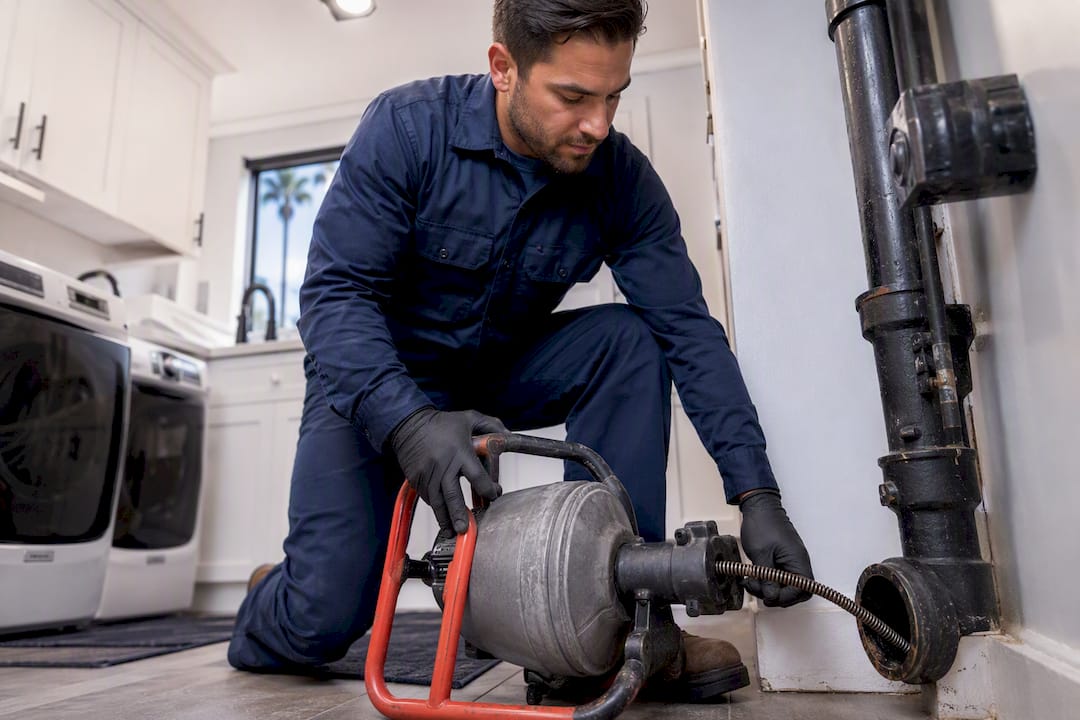
Ez-plumbing is licensed and insured under California C-36 #583868, serving residential and commercial properties across greater Los Angeles. A typical cast iron evaluation starts with a full sewer camera pass, followed by diagnostics on any suspect sections, then a written scope of work.
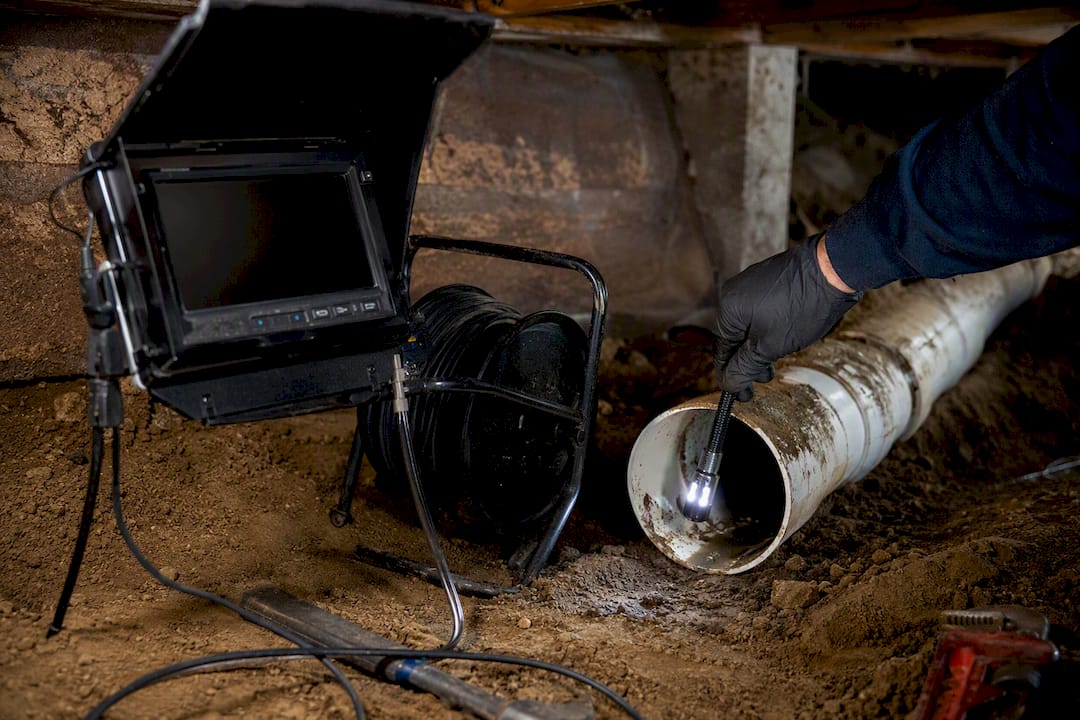
Our reports include video stills tied to distance markers, notes on each defect found, and repair options presented with the tradeoffs for each, not just a single recommendation. For replacement work, we walk homeowners through realistic timelines and what access or landscaping prep to expect before crews arrive on site.
Get a Professional Assessment Before You Decide
Cast iron pipe replacement decisions are easier with real data instead of guesswork. If your line is past 50 years old or showing any of the warning signs above, book a sewer camera inspection and get a written report you can actually plan around.
While a plumber is already on site scoping your sewer line, it’s also a good time to ask about your water heater’s condition, since both systems tend to age out around similar timelines in older homes. Ez-plumbing’s licensed technicians handle both the diagnosis and the fix, from a single spot repair to a full sewer line replacement, so you’re not juggling multiple contractors for one problem.
Frequently Asked Questions
How long do cast iron pipes actually last in a home?
Most systems last 50 to 100 years, but many begin showing corrosion related problems earlier, often between 25 and 70 years, depending on soil and water conditions.
What’s the difference between cast iron pipe lifespan and galvanized pipe lifespan?
Galvanized supply pipes typically fail sooner from internal rust buildup, which is why galvanized pipe replacement is often recommended well before cast iron drain lines need attention.
Can cast iron pipes be repaired instead of fully replaced?
Yes, when a camera inspection shows the pipe is structurally sound. Spot repair or CIPP lining can add years of service without a full dig-and-replace.
How much does cast iron pipe replacement typically cost?
Costs vary widely by access, length, and method. Trenchless options like pipe bursting generally cost less in disruption than full excavation, though material and labor pricing depend on your specific property.
Who should I call to inspect cast iron plumbing?
A licensed, insured plumber who can perform a sewer camera inspection and provide a written report, not just a verbal opinion, is the standard you should expect.
Sources
- How Long Do Cast Iron Pipes Last? | Pipeliners USA
- Cast Iron Drain Pipe Guide | Hale Home Services
- The Lifespan of 7 Common Pipeline Materials