
How to Prevent Drain Clogs: 10 Proven Tips
Drain clog prevention is the practice of stopping grease, hair, soap scum, and food debris from accumulating inside your pipes before they cause a blockage. Most homeowners only think about their drains after water starts backing up, but the damage begins weeks or months earlier. A consistent routine combining daily habits and scheduled maintenance keeps your plumbing clear and avoids the kind of emergency repairs that cost well over $1,000 to fix. This guide covers the most effective steps you can take right now, from a $5 drain strainer to a professional hydro-jetting service that scours your pipes clean.
1. How to prevent drain clogs with mesh strainers
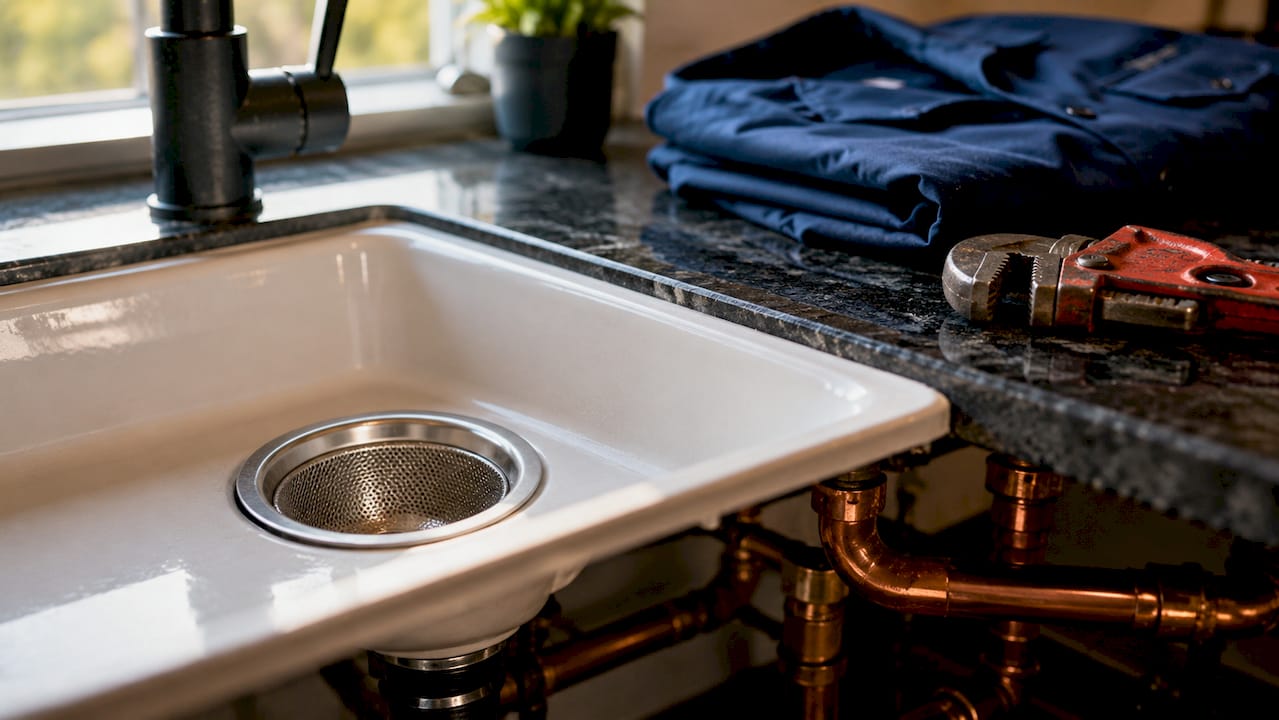
Installing a mesh drain strainer is the single most cost-effective step you can take. Strainers cost $3–$8 per unit and catch hair, food particles, and soap chunks before they enter your pipes. That small investment eliminates the most common source of residential clogs. Place one in every tub, shower, and kitchen sink, then rinse it weekly.
The kitchen sink strainer deserves special attention. Food scraps, coffee grounds, and cooking residue are the leading causes of kitchen drain blockages. A strainer stops all of them at the surface, where cleanup takes seconds instead of a service call.
2. Never pour grease or fats down the drain
Grease is the most destructive substance you can put in a residential drain. It flows down as a liquid but cools and hardens on pipe walls, narrowing the passage with every pour. Over time, that coating traps other debris and creates a dense blockage deep inside the line.
The correct disposal method is simple. Let cooking grease cool in the pan, pour it into a sealable container, and throw it in the trash. Wipe pans with a paper towel before washing to remove residual fat. This one habit eliminates a major category of kitchen clogs entirely.
Pro Tip: Keep an old coffee can or glass jar under the sink specifically for grease collection. Once it is full, seal it and discard it. This takes 10 seconds and prevents a $300 drain cleaning call.
3. Follow the cold water rule for garbage disposals
Running cold water while using your garbage disposal is not optional. Cold water keeps grease solid during grinding so it gets chopped and flushed rather than coating the pipe walls. Hot water does the opposite. It melts grease into a liquid that travels a few feet down the line, then re-solidifies deeper in the pipe where it is much harder to reach.
Run cold water for the full duration of disposal use, then continue for 15–30 seconds after you turn the unit off. That extra flush pushes ground debris past the trap and into the main line. This rule applies every single time you use the disposal, not just when you are grinding heavy food waste.
4. Brush hair before showering to reduce drain buildup
Hair is the primary cause of bathroom drain clogs. A quick brush before stepping into the shower removes loose strands that would otherwise wash down the drain and tangle around the stopper or strainer. Combined with a hair catcher, this habit cuts bathroom clog frequency dramatically.
The math is straightforward. The average person loses 50–100 hairs per day. Without a strainer or pre-shower brushing, most of those hairs end up in the drain. Over weeks, they bind with soap scum and form a dense mat that no amount of hot water will dissolve on its own.
5. Clean bathroom pop-up stoppers monthly
The pop-up stopper in your bathroom sink collects more hair and gunk than almost any other fixture. Cleaning it monthly takes about 90 seconds and can prevent up to 80% of bathroom sink clogs. Most stoppers lift straight out or unscrew with a quarter turn. Pull it, wipe off the buildup with a paper towel, rinse it, and replace it.
Homeowners who skip this step often wonder why their bathroom sink drains slowly even after they have cleaned the strainer. The stopper sits just below the drain opening and acts as a second collection point. Ignoring it means you are only solving half the problem.
6. Use the baking soda and vinegar method monthly
A monthly baking soda and vinegar treatment dissolves light organic buildup before it hardens into a serious clog. This is one of the most reliable home remedies for drain issues, and it costs almost nothing. The steps are straightforward.
- Pour one cup of baking soda directly into the drain.
- Follow immediately with one cup of white vinegar.
- Let the mixture fizz for 15–20 minutes.
- Flush with hot tap water for 60 seconds.
Pro Tip: Do this on the first day of each month so it becomes automatic. Set a phone reminder if needed. Consistency is what makes this method work. One treatment does little. Twelve treatments a year keeps organic buildup from ever gaining a foothold.
The key detail most guides miss is the water temperature. Use hot tap water, not boiling water. Boiling water can warp PVC fittings and damage the wax ring on toilets if it travels that far. Hot tap water is sufficient to melt soap scum and flush the loosened debris.
7. Flush drains with hot water weekly
A weekly hot water flush is a simple drain maintenance tip that slows soap scum and light grease accumulation between your monthly treatments. Hot tap water flushing melts soap scum and light grease before it bonds to pipe walls. Run the hottest water from your tap for 60 seconds down each sink drain once a week.
This is not a substitute for the baking soda treatment or professional cleaning. Think of it as routine upkeep between deeper maintenance sessions. It is especially useful in kitchens where small amounts of grease enter the drain despite your best efforts.
8. Use a drain snake or zip tool for hair clogs
A manual drain snake or plastic zip tool is the right first response when you notice slow drainage in a tub or shower. These tools cost $5–$15 at any hardware store and reach 18–24 inches into the drain to pull out hair mats and debris. They work without chemicals and without risk of pipe damage.
To use a zip tool, insert it into the drain opening, twist it slowly, and pull it back out. The barbed edges grab hair and soap buildup. Repeat two or three times until the tool comes out clean. For deeper blockages, a manual hand snake with a 25-foot cable reaches past the P-trap into the drain line.
Avoid chemical drain cleaners for routine maintenance. Chemical cleaners damage pipes and typically only burn a narrow path through a clog, leaving residue on the pipe walls that accelerates future buildup. Enzymatic or bacterial drain cleaners are a safer alternative. They use live cultures to digest organic matter without corroding your pipes.
| Method | Best for | Pipe safety |
|---|---|---|
| Zip tool | Hair clogs near drain opening | Safe for all pipe types |
| Manual hand snake | Debris past the P-trap | Safe for all pipe types |
| Enzymatic cleaner | Organic buildup maintenance | Safe for all pipe types |
| Chemical cleaner | Not recommended | Risk of pipe corrosion |
9. Clean the P-trap every six months
The P-trap is the curved pipe section directly under your sink. It holds a small amount of water that blocks sewer gases from entering your home, but it also collects debris that passes the strainer. Cleaning it every six months removes buildup before it restricts flow.
Place a bucket under the P-trap, unscrew the two slip-joint nuts by hand, and slide the curved section out. Empty the contents into the bucket, scrub the inside with a bottle brush, and reinstall. The whole job takes about five minutes and requires no special tools. This is one of the best practices for drain cleaning that most homeowners never try.
10. Schedule professional inspections every 12–24 months
Professional drain inspections and hydro-jetting every 12–24 months prevent emergency repairs that routinely cost over $1,000. A licensed plumber uses a CCTV camera to inspect the full length of your drain lines, identifying partial blockages, root intrusion, and pipe deterioration before they cause a failure.
Hydro-jetting follows the inspection when buildup is present. High-pressure water up to 4,000 PSI scours pipe walls clear of grease, mineral scale, and debris, restoring the full interior diameter of the pipe. Snaking moves a clog. Hydro-jetting removes the conditions that caused it.
Gurgling sounds, persistent odors, and slow drainage across multiple fixtures are early warning signs that your drain system needs professional attention. Frequent plunger use on the same drain is another reliable indicator. These symptoms mean a partial clog is already forming, and DIY methods will only delay the problem.
The cost-benefit case for preventive professional service is clear. A routine inspection and cleaning costs a fraction of an emergency sewer repair or water damage restoration. Homeowners who treat plumbing maintenance the same way they treat preventive home maintenance for other systems consistently avoid the most expensive plumbing failures.
Key Takeaways
The most effective way to keep pipes clear is to combine daily physical barriers, monthly natural treatments, and annual professional inspections into one consistent routine.
| Point | Details |
|---|---|
| Start with strainers | A $3–$8 mesh strainer in every drain stops the majority of clogs at the source. |
| Clean stoppers monthly | Removing and wiping the pop-up stopper takes 90 seconds and prevents most bathroom sink clogs. |
| Use cold water with disposals | Cold water keeps grease solid during grinding so it flushes out instead of coating pipes. |
| Avoid chemical cleaners | Enzymatic cleaners and manual tools clear drains safely without corroding pipe walls. |
| Book professional service annually | CCTV inspection and hydro-jetting every 12–24 months prevents emergency repairs over $1,000. |
What years of drain calls taught me
After working on residential plumbing across Los Angeles for decades, the pattern is always the same. The homeowners who never have drain emergencies are not doing anything complicated. They use strainers, they do not pour grease down the sink, and they call us once a year for a checkup. That is the whole system.
The mistake I see most often is homeowners reaching for a bottle of chemical drain cleaner the moment a drain slows down. I understand the appeal. It is fast and cheap. But those chemicals eat at pipe joints over time, and they almost never solve the underlying problem. A month later, the same drain is slow again, and now the pipe is weaker than it was before.
The second most common mistake is waiting too long. A slow drain is not a minor inconvenience. It is a signal that buildup has already narrowed your pipe significantly. By the time water is backing up, you are past the point where a zip tool will fix it. A professional drain inspection at that stage almost always reveals a blockage that has been building for months.
My honest recommendation is to treat your drains the same way you treat your HVAC system. You would not skip annual service on your furnace and wait for it to fail in January. Your drain lines deserve the same logic. The drain maintenance habits that cost you almost nothing monthly are the ones that keep you out of a $2,000 emergency repair situation.
— EZ
Ez-plumbing drain services for Los Angeles homeowners
When daily habits and monthly treatments are not enough, Ez-plumbing provides the professional backup your plumbing needs. Ez-plumbing holds a C-36 License (#583868) and has served the greater Los Angeles area with licensed, insured drain cleaning, CCTV camera inspections, and hydro-jetting services for decades.
Scheduling a preventive drain cleaning with Ez-plumbing costs far less than an emergency call after a full blockage or sewer backup. The team uses camera inspection to assess pipe condition before recommending any treatment, so you only pay for what your system actually needs. For homeowners dealing with recurring slow drains or persistent odors, Ez-plumbing’s professional drain cleaning service resolves the root cause rather than masking the symptom. Contact Ez-plumbing to schedule an inspection and keep your drains flowing year-round.
FAQ
What is the most effective way to prevent bathroom drain clogs?
Installing a mesh hair catcher and cleaning your pop-up stopper monthly are the two most effective steps. Together, they stop the hair and soap buildup that causes the majority of bathroom sink and tub clogs.
Can I use baking soda and vinegar to clear a slow drain?
Yes, for light organic buildup. Pour one cup of baking soda followed by one cup of vinegar, wait 15–20 minutes, then flush with hot tap water. This method works best as a monthly preventive treatment rather than a fix for a fully blocked drain.
How often should I schedule a professional drain inspection?
Plumbing professionals recommend a CCTV drain inspection every 12–24 months. Annual service catches partial blockages, root intrusion, and pipe wear before they become emergencies.
Why are my drains clogging repeatedly after I clear them?
Recurring clogs after clearing usually indicate a partial blockage deeper in the line that DIY methods cannot fully remove. Gurgling sounds and odors alongside slow drainage confirm this. A professional hydro-jetting service removes the buildup from the pipe walls rather than just pushing it further down.
Are chemical drain cleaners safe for home pipes?
Chemical drain cleaners are not recommended for regular use. They corrode pipe joints over time and typically only clear a narrow path through a clog, leaving residue that accelerates future buildup. Enzymatic cleaners or manual tools are safer and more effective for routine drain upkeep.