
What Is Leak Detection? A Homeowner’s Property Guide
Leak detection is the process of identifying water leaks in residential or commercial properties using moisture sensing, flow monitoring, or professional diagnostic tools before visible damage occurs. Households can waste thousands of gallons annually from old piping, corroded fixtures, and irregular water pressure. That waste shows up on your bill long before it shows up on your walls. For homeowners and property managers in Los Angeles, where aging infrastructure meets high water costs, understanding how leak detection works is one of the most practical steps you can take to protect your investment.
What is leak detection and why does it matter for your home?
Leak detection is defined by the EPA WaterSense program as the use of moisture sensing or flow monitoring devices to identify leaks or irregular water use before they cause visible damage. The industry term most professionals use is “water leak detection,” which covers everything from a dripping faucet to a pressurized underground pipe failure. Both the casual and technical terms describe the same layered process: first confirm a problem exists, then locate its source.
The stakes are real. A home with plumbing leaks can lose over 70,000 gallons of water in a single year. That volume is enough to fill a standard backyard swimming pool. Beyond the water bill, undetected leaks cause structural damage, mold growth, and in severe cases, foundation compromise. Property managers overseeing multiple units face compounded risk because a single undetected leak in one unit can affect adjacent spaces.
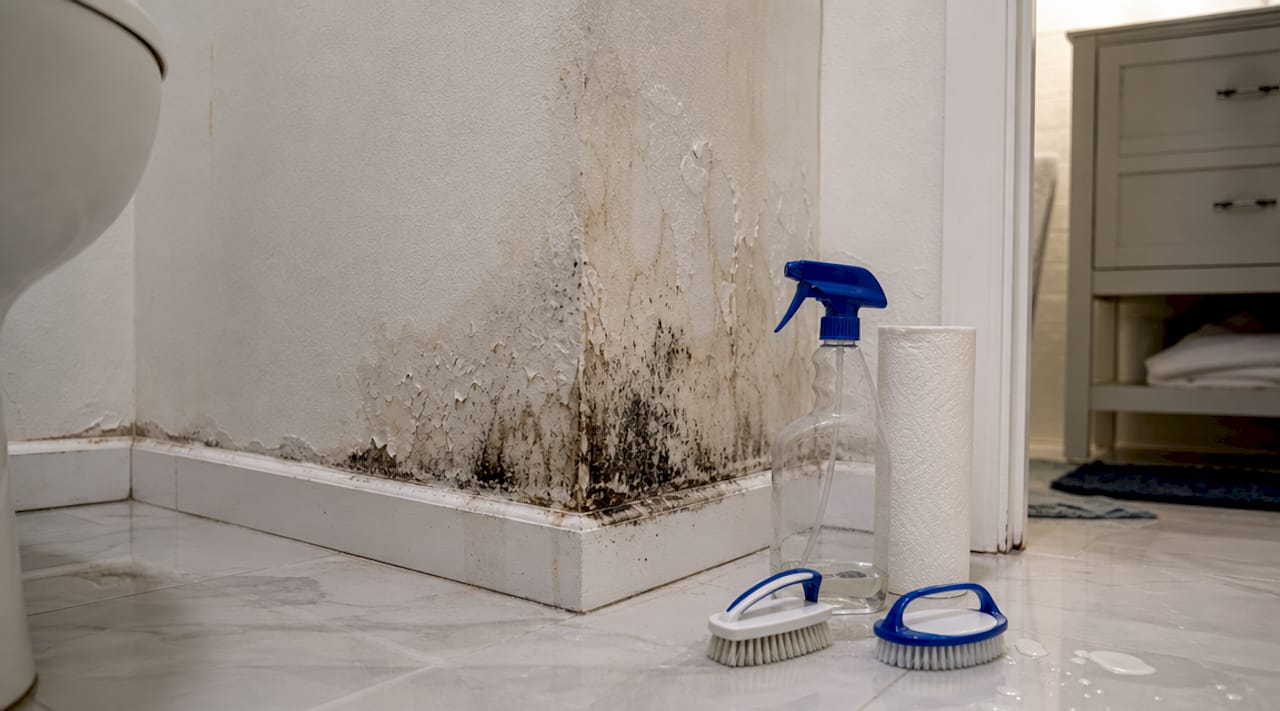
Early detection changes the financial equation entirely. Timely leak repairs reduce water waste, lower utility bills, and prevent the kind of structural damage that turns a $200 repair into a $20,000 remediation project. Leak detection is not a luxury feature for smart homes. It is a baseline practice for responsible property ownership.
What are the main methods of leak detection used in homes?
Two primary technologies form the foundation of any leak detection system: moisture detection and flow monitoring. Understanding how each works helps you choose the right approach for your property.
| Method | How it works | Best for |
|---|---|---|
| Moisture detection | Sensors placed at likely leak points detect unexpected dampness and trigger alerts | Localized leaks under sinks, near water heaters, around toilets |
| Flow monitoring | Smart meters or flow sensors analyze water consumption patterns and flag continuous or abnormal use | System-level leaks in supply lines, irrigation systems, hidden pipe runs |
Moisture sensors are physical devices placed at high-risk locations: under kitchen and bathroom sinks, behind washing machines, near water heaters, and along basement walls. When the sensor contacts water, it sends an alert to a hub or directly to your smartphone. Devices like the Moen Flo Smart Water Detector and the Govee Water Sensor represent the consumer end of this technology, while commercial installations use networked sensor arrays tied to building management systems.
Flow monitoring takes a broader view. Instead of detecting water at a specific point, it watches your entire water supply line for patterns that indicate a problem. A smart meter or whole-home flow sensor tracks how much water moves through your pipes at any given time. If water flows continuously for an extended period with no corresponding usage, the system flags it as a potential leak. Consumer leak-detection devices reduce water waste precisely because they catch these abnormal patterns before the damage compounds.
Pro Tip: Combining both methods gives you the highest level of protection. Moisture sensors catch localized drips at known risk points, while flow monitoring catches hidden leaks anywhere in the system. The layered detection approach maps directly to the EPA’s recommended two-technology model.
How do leak detection systems work before damage becomes visible?
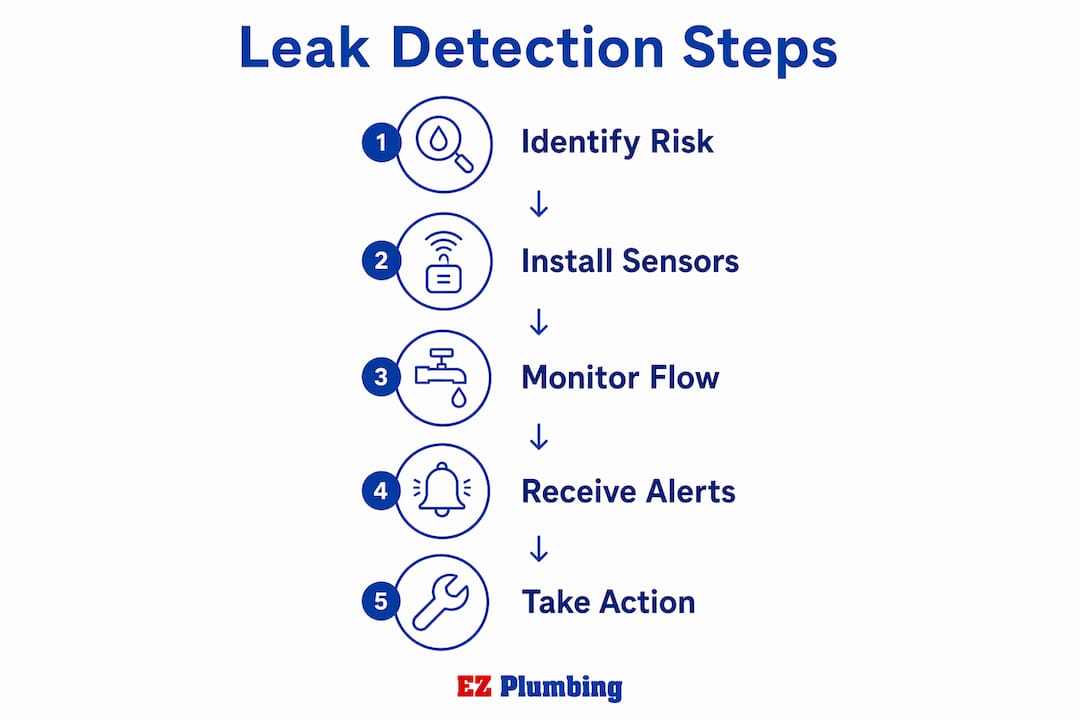
Leak detection systems operate by monitoring water flow or moisture levels in real time and comparing current readings against established baselines. When a reading falls outside the normal range, the system triggers an alert. The sophistication of that alert depends on the technology involved.
At the consumer level, a basic moisture sensor beeps and sends a push notification when it detects water. At the utility level, programs like the SFPUC Leak Alert Program use smart meter data to notify customers when there are three consecutive days of uninterrupted water use, a pattern that almost always indicates a running toilet or a slow pipe leak. The customer is then responsible for investigating and fixing the problem. That notification alone can prevent months of undetected waste.
Smart water meters and IoT-enabled sensors now go further, incorporating AI diagnostics that recognize usage signatures. A dishwasher cycle looks different from a running toilet, and modern systems can distinguish between the two. This matters because false alerts cause homeowners to ignore real ones. The more accurate the pattern recognition, the more likely you are to act on an alert.
The operational sequence for most systems follows this path:
- Continuous monitoring establishes a normal usage baseline for your property
- An irregularity, such as continuous flow during sleeping hours or unexpected dampness at a sensor point, triggers an alert
- The alert reaches you via app, text, or audible alarm depending on the system
- You verify whether the alert reflects real usage or a genuine leak before calling a plumber
- If confirmed, the system data helps narrow down the source location before any investigation begins
Building a response protocol for alerts is critical. When you receive a continuous-flow notification, check obvious sources first: a running toilet, an open outdoor hose bib, or a recently started appliance. If none of those explain the flow, treat it as a leak until proven otherwise.
What are common sources and signs of leaks in residential properties?
Knowing where leaks most commonly originate helps you prioritize where to place sensors and what to inspect first. Toilets are the most common leak source in residential properties and the leading cause of unexpectedly high water bills. A toilet with a worn flapper valve can run silently for months, wasting hundreds of gallons per day without any visible sign.
The most frequent leak locations in order of occurrence are:
- Toilets: worn flappers, faulty fill valves, and cracked tank components cause continuous running that is often inaudible
- Faucets and showerheads: dripping fixtures waste water steadily and signal worn washers or cartridges
- Irrigation systems: broken sprinkler heads and cracked lateral lines often run underground, making them difficult to spot visually
- Water heaters: corrosion around the tank base, pressure relief valve discharge, and loose inlet connections are common failure points
- Supply line connections: braided steel lines under sinks and behind toilets fail without warning, often causing significant flooding
- Underground pipes: galvanized corrosion and root intrusion in older Los Angeles properties cause slow leaks that surface only after structural damage begins
Warning signs that a leak is already active include an unexplained spike in your water bill, damp spots on walls or ceilings, discoloration or bubbling paint, the sound of running water when all fixtures are off, and visible mold or mildew in areas that should stay dry. If your water meter reading changes while all water use in the home is stopped, a leak is almost certainly present somewhere in the system.
Pro Tip: Drop a few drops of food coloring into your toilet tank and wait 15 minutes without flushing. If color appears in the bowl, your flapper is leaking. This simple dye test identifies the single most common household leak source at zero cost.
DIY leak detection vs. professional services: which do you need?
The right approach depends on where the leak is, how accessible it is, and how confident you are in your own diagnosis. DIY methods work well for surface-level and fixture-based leaks. Professional services are necessary when the leak is hidden, underground, or involves pressurized supply lines inside walls.
| Approach | Methods used | Best for |
|---|---|---|
| DIY detection | Water meter monitoring, visual inspection, dye tests, consumer moisture sensors | Visible fixture leaks, toilet flappers, under-sink drips |
| Professional detection | Acoustic sensors, thermal imaging, tracer gas, CCTV pipe inspection | Hidden leaks, underground pipes, slab leaks, complex commercial systems |
Modern professional detection uses non-invasive techniques including acoustic sensors that listen for the sound signature of pressurized water escaping a pipe, thermal imaging cameras that detect temperature differentials caused by moisture behind walls, tracer gas injection that escapes through leak points and is detected at the surface, and CCTV camera inspection that travels through pipe runs to identify cracks and corrosion directly. These tools minimize property disruption compared to the traditional approach of opening walls and floors speculatively.
A common misconception is that leak detection immediately identifies the exact pipe location. In practice, the process starts with confirming a leak exists, then narrowing down the zone, then pinpointing the source. Professional technicians follow this same sequence, which is why a thorough inspection takes time even with advanced equipment.
For property managers overseeing commercial buildings, the calculus shifts further toward professional services. Commercial leak detection methods include networked sensor arrays, building management system integration, and scheduled acoustic surveys of supply and drain lines. The cost of a professional survey is almost always lower than the cost of water damage remediation in a multi-unit building.
Key takeaways
Effective leak detection combines moisture sensors and flow monitoring to catch both localized drips and system-level leaks before they cause structural damage or significant water waste.
| Point | Details |
|---|---|
| Two core technologies | Moisture sensors and flow monitoring devices each catch different leak types and work best together. |
| Toilets are the top risk | Silent toilet leaks are the leading cause of high water bills and should be the first thing you check. |
| Early detection saves money | Catching a leak early converts a potential $20,000 remediation into a straightforward repair. |
| Professional tools go deeper | Acoustic sensors, thermal imaging, and tracer gas locate hidden and underground leaks without opening walls. |
| Response protocols matter | When an alert fires, verify obvious usage sources first before escalating to a professional investigation. |
What we see in the field at Ez-plumbing
After years of diagnosing leaks across Los Angeles properties, the pattern that stands out most is not the complexity of the leaks themselves. It is how long they go undetected. Most homeowners assume that if something is leaking, they will see it. That assumption is wrong more often than it is right.
The properties that fare best are the ones where the owner has installed at least one layer of monitoring, whether that is a smart flow sensor on the main supply line or a set of moisture sensors under the kitchen sink and near the water heater. Those devices do not prevent leaks, but they compress the detection window from months to hours. That compression is where the real financial protection comes from.
The other thing worth saying plainly: leak detection is a two-step process. Confirming that a leak exists is step one. Locating it precisely is step two. Homeowners who skip step one because they have not seen visible water often call us after the damage is already done. The water bill is almost always the first signal, and it is one most people explain away as a rate increase or seasonal change. If your bill spikes without a clear reason, treat it as a leak signal until your meter reading proves otherwise.
Proactive monitoring, combined with a clear response protocol when alerts occur, is the most cost-effective property protection strategy available. It is also the one most homeowners have not fully implemented yet.
— EZ
Professional leak detection services from Ez-plumbing

Ez-plumbing provides licensed leak detection services across the greater Los Angeles area, using acoustic sensors, thermal imaging, and camera inspection to locate leaks without unnecessary property disruption. Whether you are dealing with a suspected slab leak, a hidden supply line failure, or a persistent high water bill with no obvious cause, our team diagnoses the problem accurately before any repair work begins. Explore our leak detection services to understand what a professional inspection involves and what to expect from the process. If your water heater is also showing signs of failure, our water heater repair guide covers the diagnostic steps and when to call for help.
FAQ
What is leak detection in simple terms?
Leak detection is the process of identifying water leaks in a property using moisture sensors, flow monitoring devices, or professional diagnostic tools before the damage becomes visible or costly.
How do I know if I have a hidden water leak?
Check your water meter with all fixtures turned off. If the meter continues to move, water is flowing somewhere in the system and a leak is likely present.
What are the best leak detection devices for homes?
Consumer options include whole-home flow sensors and point-of-use moisture sensors. Devices like the Moen Flo and Govee Water Sensor cover different detection needs and work best when used together.
When should I call a professional for leak detection?
Call a professional when the leak source is not visible, when your water bill is elevated but no fixture explains it, or when you suspect an underground or slab leak. Professional acoustic and thermal tools locate these leaks without opening walls or floors.
Can leak detection prevent water damage entirely?
Detection alone does not prevent leaks, but it dramatically reduces the damage window. The SFPUC Leak Alert Program demonstrates that even utility-level monitoring can notify customers within three days of a continuous leak, limiting waste and damage significantly.