
Plumbing Escrow Inspection: What Homebuyers Must Know
What is a plumbing escrow inspection?
A plumbing escrow inspection is a specialized diagnostic assessment of a property’s sewer and water lines, conducted during the escrow period before a real estate transaction closes. Unlike a standard home inspection, it goes inside the pipes using robotic camera technology to reveal defects that no visual walkthrough can detect. Think of it as the difference between looking at a wall and looking through it.
The inspection covers visible supply and drain lines, fixtures, faucets, the water heater, and critically, the underground sewer lateral via a camera scope. That sewer scope is the core of the process. It sends a high-definition camera down the main line to the city connection, identifying root intrusion, cracks, corrosion, and collapsed sections that would otherwise stay hidden until they become a very expensive post-closing problem.
How the escrow inspection process works and when to schedule
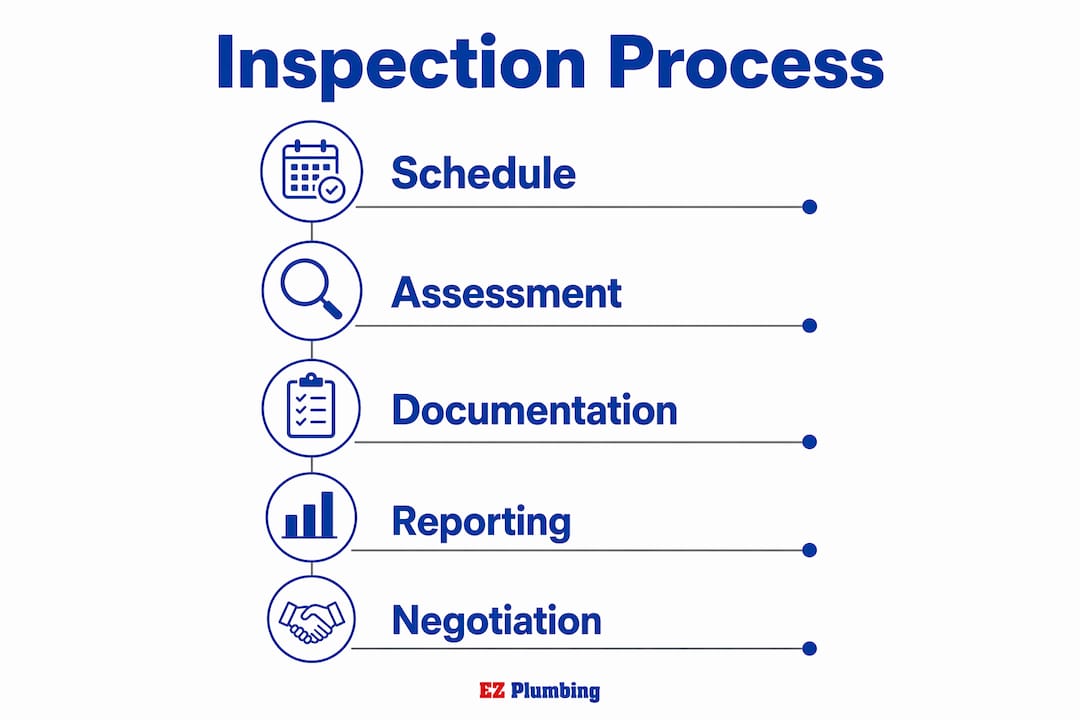
Timing is everything in the escrow inspection process. Contingency periods typically give buyers a limited window after escrow opens to complete inspections and act on findings. Once that window closes without written action, most contracts treat the contingency as waived.
Schedule your plumbing inspection within the first day or two after escrow opens. That leaves room for the plumber to complete the scope, generate a written report, and still gives you time to negotiate repairs or credits before the deadline. Delays compress your options fast.
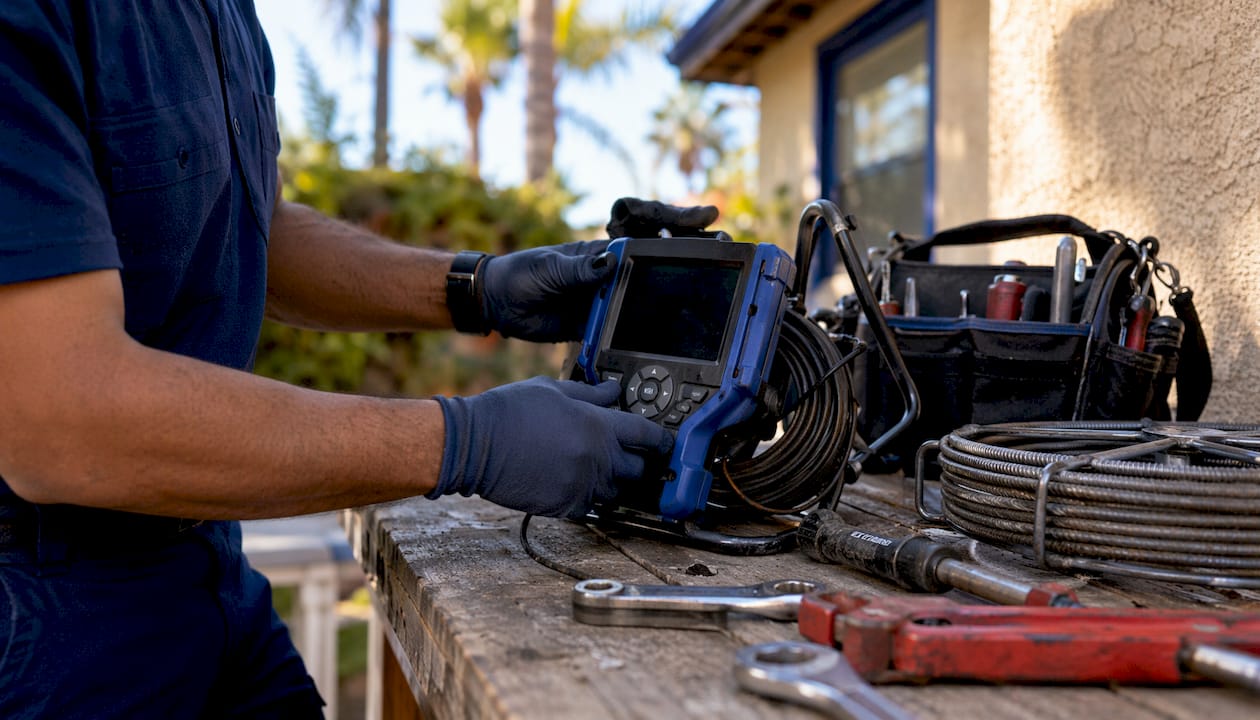
Pro Tip: Request the inspection report in writing with photo and video documentation from the sewer scope. Vague verbal summaries give you almost no leverage at the negotiating table.
How a plumbing escrow inspection differs from a general home inspection
General home inspectors conduct non-invasive, visual examinations of accessible systems, including a surface-level look at plumbing fixtures. They check whether faucets run and toilets flush. What they cannot do is evaluate the inside of your pipes.
A plumbing escrow inspection uses licensed plumbers with specialized equipment to assess internal pipe integrity. Slab leaks, galvanized corrosion, clay sewer laterals cracked by tree roots, and partial pipe collapses all fall outside what a general inspector can find. These are also the defects that carry the highest repair costs. You need both inspections, but the plumbing-specific one is what protects you from the surprises that hurt most financially.
Why plumbing escrow inspections protect your investment
Hidden plumbing failures are among the costliest discoveries a buyer can make after closing. Collapsed sewer lines, root intrusion into clay laterals, active slab leaks, and corroded galvanized pipes can all require repairs running into thousands of dollars. Homes built before 1980 carry higher risk of aging plumbing failure, making a camera scope especially important for older properties.
When the inspection report documents a defect with video evidence, you have objective leverage. Inspection findings support repair requests, price reductions, or seller credits before escrow funds. If the damage is severe enough, you can walk away entirely without penalty, provided you act within the contingency window. That protection disappears the moment the deadline passes.
What licensed plumbers say about escrow plumbing inspections
Licensed plumbers consistently emphasize one point: the camera scope is not optional. General home inspections miss hidden defects beneath the surface that only a camera reveals. Requesting a seller’s prior inspection report is reasonable, but conducting your own independent assessment is the only way to get an objective, current picture of the system’s condition.
Early scheduling matters as much as the inspection itself. Contingency deadlines are rigid, and a plumber who books out several days can eat through your negotiation window before the report is even written. The benefits of a licensed plumber extend beyond tools: code knowledge and local experience help identify whether a defect is a minor repair or a full repipe situation.
Who should perform your plumbing escrow inspection
Only a licensed plumber should conduct a plumbing escrow inspection. In California, that means a C-36 licensed contractor with the equipment, training, and code knowledge to evaluate the full system accurately. General home inspectors are not qualified to run sewer cameras or diagnose internal pipe conditions.
Look for a plumber who provides written reports with video footage from the camera scope, not just a verbal summary. The documentation is what makes the report useful at the negotiating table and in any subsequent repair agreement.
What repairs from a plumbing escrow inspection typically cost
Repair costs vary widely depending on what the camera finds. Minor issues like a clogged drain or a corroded fixture are relatively inexpensive. Sewer line repairs for root intrusion or partial collapse can run significantly higher, and a full repipe of an older home represents a major expense. Knowing the scope of the problem before closing lets you factor those costs into your negotiation rather than absorbing them after the fact.
How inspection results affect your closing timeline
A clean inspection report keeps escrow on track. When defects surface, the timeline depends on how quickly both parties agree on repairs or credits. Documented findings must be addressed through written addenda before escrow can close, and escrow officers monitor those deadlines to confirm all parties have signed off. Unresolved issues can delay closing or, in serious cases, end the transaction.
How buyers and sellers should prepare
Buyers should schedule the plumbing inspection immediately after escrow opens, confirm the plumber holds a valid license, and request full video documentation. Review the report carefully before the contingency deadline and consult your agent on how to structure any repair requests.
Sellers benefit from ordering a pre-listing plumbing inspection. Knowing about a slab leak or corroded lateral before listing gives you time to repair it on your terms rather than scrambling under escrow pressure. A clean report also builds buyer confidence and reduces the chance of a renegotiation derailing the deal.
Ez-plumbing (C-36 License #583868) serves the greater Los Angeles area with leak detection, sewer line repair, drain cleaning, and full plumbing inspections. If your escrow inspection turns up a water heater concern, our water heater installation services cover replacement and repair across LA.
Key Takeaways
A plumbing escrow inspection uses camera technology to reveal hidden defects that standard home inspections cannot detect, giving buyers objective leverage to negotiate repairs or credits before closing.
| Point | Details |
|---|---|
| Camera scope is essential | Only a sewer camera reveals root intrusion, pipe collapse, and slab leaks invisible to visual inspections. |
| Schedule immediately | Contingency periods run 7–14 days; delays compress your time to negotiate or exit the contract. |
| Licensed plumbers only | A C-36 licensed plumber has the tools, code knowledge, and expertise a general inspector lacks. |
| Pre-1980 homes carry higher risk | Older properties are more likely to have aging plumbing failures that justify a full camera assessment. |
| Written reports drive negotiation | Video-documented findings give buyers objective, evidence-backed leverage for repair requests or price reductions. |