
Top sewer line repair tips for Los Angeles homeowners
Sewer line problems in Los Angeles can turn from a minor nuisance into a major expense with very little warning. Whether you’re dealing with slow drains, foul odors in the yard, or backed-up fixtures throughout your home, the underlying cause is rarely as simple as it looks. Older neighborhoods across the city still rely on aging clay sewer laterals and corroded cast iron pipes that are long past their service life, and mature trees in areas like Silver Lake, Los Feliz, and Pasadena send roots searching for any crack or joint they can find. Getting ahead of these issues with the right approach, rather than chasing repeated emergency calls, is exactly what this guide is here to help you do.
Table of Contents
- Start with a sewer camera inspection
- Choose the right cleaning method for your line
- Spot repair, relining, or replacement: Pick the right fix
- Prevent recurring sewer problems
- What most LA homeowners get wrong about sewer repairs
- Get expert help for your Los Angeles sewer line
- Frequently asked questions
Key Takeaways
| Point | Details |
|---|---|
| Always get a camera inspection | A professional camera inspection is essential to diagnose your sewer line problems accurately. |
| Pick the right cleaning method | Hydro-jetting clears most blockages, but structural damage needs more than cleaning. |
| Permanent fixes prevent repeat issues | Repairing pipe cracks or breaks stops roots and infiltration from returning. |
| Plan for LA-specific costs | Replacement in Los Angeles ranges from $150 to $300 per linear foot, so budgeting is crucial. |
Start with a sewer camera inspection
Once you realize you might have a sewer line issue, your first move should always be a proper inspection. Calling a plumber and asking them to “just snake it” without knowing what’s in the pipe is a gamble that costs LA homeowners thousands of dollars every year. The problem might be a simple grease blockage near a kitchen drain, or it might be a collapsed section of pipe 40 feet under your front yard. You won’t know the difference until someone sends a camera down there.
A sewer camera inspection feeds a waterproof camera mounted on a flexible cable through your sewer line and transmits live footage to a monitor. The technician watches for root intrusion, joint offsets, grease accumulation, pipe cracks, and sections of pipe that have gone completely out of round or collapsed. Each one of these problems calls for a different repair approach, and treating them the same way wastes money.
A sewer camera inspection is non-negotiable before planning any repair, because it confirms both the location and the actual cause of the problem. Without it, you’re guessing.
Camera inspections in Los Angeles are particularly valuable because so much of the city’s residential plumbing predates modern standards. Many homes built before 1970 still have original clay pipe laterals running to the city main, and those joints deteriorate in ways that simply cannot be detected from outside. A camera turns a blind diagnosis into a clear, visual report you can use to make an informed repair decision.
Common problems a camera inspection reveals:
- Tree root intrusion at deteriorated joints or cracked pipe sections, particularly common under mature trees
- Grease and debris accumulation that has hardened on pipe walls over years of cooking and daily use
- Joint offsets caused by soil settlement or seismic activity, which are surprisingly common throughout the Los Angeles basin
- Pipe corrosion and pitting in older galvanized or cast iron sections of the line
- Partial or full pipe collapse, which requires an entirely different repair strategy than a simple blockage
Pro Tip: Request a recorded copy of your camera inspection footage. This gives you documentation for insurance claims, permit applications, or getting a second opinion on the recommended repair.
Choose the right cleaning method for your line
Once you know the exact source of the blockage, the next step is picking the safest and most effective way to clean the line. Not every blockage calls for the same solution, and using the wrong method can make the problem worse or delay the repair that actually needs to happen.
Mechanical snaking, also called rootering, uses a rotating metal cable to break through blockages and pull material out of the pipe. It’s a good first-line approach for soft blockages and moderate root intrusion. The limitation is that snaking punches a hole through the obstruction rather than removing all of it from the pipe wall. A pipe that’s 70% full of hardened grease may drain after snaking, but it will re-block quickly because the remaining build-up is still there.
Hydro-jetting is a significantly more aggressive and thorough cleaning method. A hydro-jetting machine forces water at up to 4,000 PSI through a specialized nozzle that simultaneously blasts forward and sprays backward, scrubbing the pipe walls clean. This removes grease, scale, mineral deposits, and root fragments that snaking leaves behind. The result is a pipe interior that looks almost like new, which also makes it much easier to inspect with a camera afterward.
| Method | Best for | Limitations | Typical use |
|---|---|---|---|
| Mechanical snaking | Soft blockages, first-pass root clearing | Leaves residue on pipe walls | Routine service call |
| Hydro-jetting | Heavy grease, stubborn roots, full pipe cleaning | Does not repair structural defects | Pre-inspection prep or major cleaning |
Neither method solves the underlying issue if your pipe has cracks, joint offsets, or areas where roots have a permanent entry point. Cleaning is always temporary when structural damage exists. This is why the inspection always comes first, so you know whether cleaning is a complete solution or just step one of a larger repair.
Sewer line cleaning and repair handled by a licensed plumber means the right method gets selected based on what the camera actually shows, not just based on what’s cheapest or fastest on a given day.
Pro Tip: If your plumber recommends hydro-jetting, ask for a post-jetting camera inspection. Seeing the clean pipe confirms the work was done thoroughly and often reveals structural issues that were hidden under the build-up before cleaning.
Spot repair, relining, or replacement: Pick the right fix
If cleaning isn’t enough, or the camera shows structural problems, you’ll need to decide between targeted and full repairs. This is where many LA homeowners feel overwhelmed, and it’s also where the most important decisions get made. The repair type determines the cost, the timeline, and how long the fix actually lasts.
Structural failures like cracks, offsets, or collapsed sections require more than cleaning, and the camera inspection findings are what determine whether spot repairs, trenchless relining, or traditional full replacement is the right path forward.
Here are the three main repair routes, ranked from least to most involved:
-
Spot repair: This addresses a single section of damaged pipe without disturbing the rest of the line. It’s the right choice when the camera identifies one isolated problem, such as a cracked joint or a short section of collapsed pipe, while the rest of the line is structurally sound. Spot repairs are cost-effective and often completed in a day.
-
Trenchless pipe relining (CIPP): Cured-in-place pipe lining, commonly called CIPP, involves inserting a flexible liner coated with epoxy resin into the existing pipe and inflating it against the pipe walls. Once it cures, it creates a new pipe inside the old one. This is ideal when the main line has widespread but not catastrophic deterioration, because it seals cracks and blocks root entry points along the entire lined section without requiring excavation.
-
Full pipe replacement: When a pipe is collapsed, severely offset, or so deteriorated that relining won’t hold, full replacement is the only option. Traditional open-cut replacement involves excavation along the pipe’s path, while trenchless directional boring can install a new pipe with minimal surface disruption. Both approaches restore your sewer line to full capacity and modern materials.
| Repair type | Best scenario | Typical cost range (Los Angeles) | Expected lifespan |
|---|---|---|---|
| Spot repair | Isolated damage, sound surrounding pipe | $500–$3,000 depending on depth | 10+ years if entry points addressed |
| CIPP relining | Widespread deterioration, structurally intact pipe | $80–$250 per linear foot | 40–50 years |
| Full replacement | Collapse, severe offset, failed relining candidate | $150–$300 per linear foot | 50+ years with modern materials |
Understanding these sewer line replacement options before you speak with a plumber puts you in a much stronger position to evaluate what you’re being quoted and why. A reputable contractor will walk you through exactly what the camera showed and explain which repair type applies to your specific situation.
Prevent recurring sewer problems
Lasting sewer line health isn’t just about immediate fixes, it’s about stopping the problem from coming back. Many Los Angeles homeowners go through the cycle of calling a plumber every year or two to clear the same line, paying a service call each time, without ever actually solving the problem. That cycle is preventable.
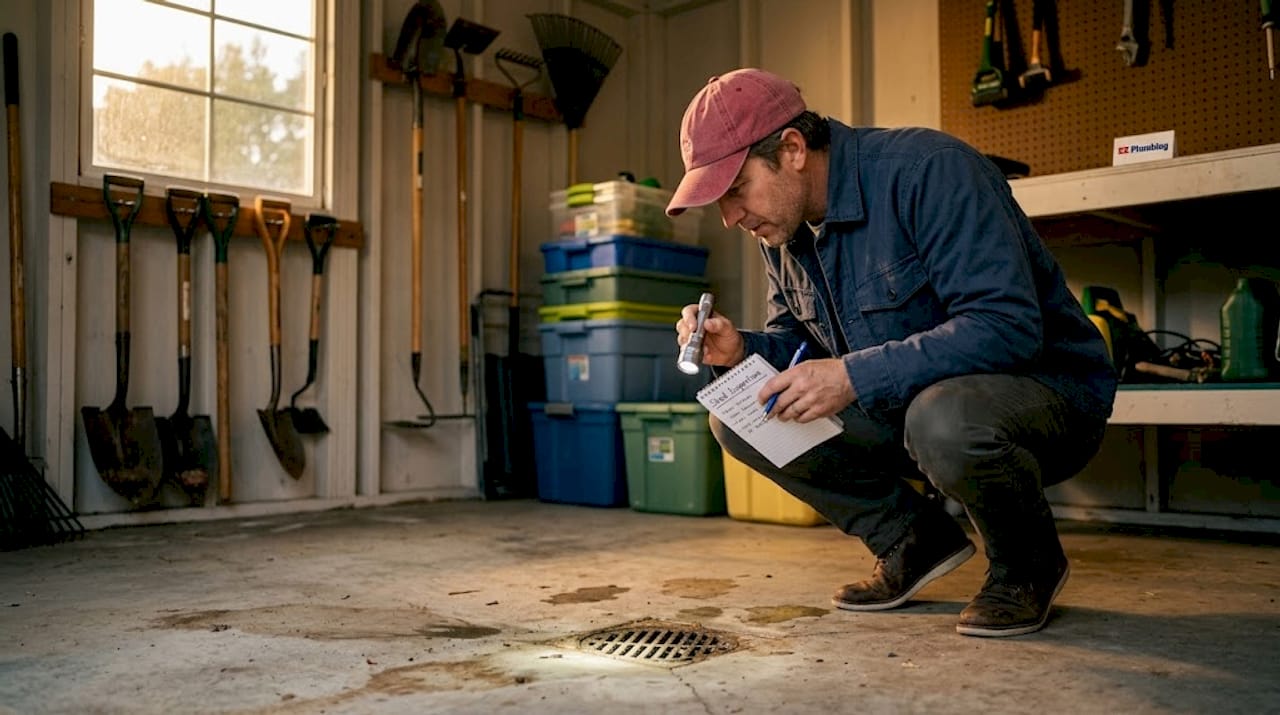
The most common driver of recurring clogs is roots. Tree roots grow toward moisture and organic material, and your sewer pipe provides both. Once a root finds a crack in an older clay or cast iron pipe, it doesn’t leave on its own. Cleaning alone buys time but will not stop roots or infiltration through existing cracks. Repairing those entry points is essential to prevent repeat blockages.
Key steps to prevent sewer problems from recurring:
- Address the structural cause identified in your camera inspection, not just the symptom. If roots entered through a joint offset, that offset needs to be repaired.
- Schedule regular camera inspections every two to three years for homes with mature trees nearby or pipes older than 30 years. Catching early deterioration is far less expensive than responding to a full blockage or backup.
- Be mindful of what goes down your drains. Grease, cooking oils, and so-called “flushable” wipes are major contributors to build-up in residential sewer lines throughout Los Angeles.
- Know the age and material of your pipe. Clay laterals common in pre-1970 homes are more prone to root intrusion and joint failure than modern PVC. If your home has original clay pipe, budgeting for eventual relining or replacement is simply smart planning.
- Work with a licensed plumber who keeps records of your camera inspection findings over time, so you can track how a pipe is deteriorating and plan repairs proactively rather than reactively.
Pro Tip: If your line blocks more than once every 18 months, that frequency is a signal, not normal wear. A camera inspection at that point isn’t optional; it’s the only way to determine whether you have a structural issue that’s feeding the repeated emergency calls.
What most LA homeowners get wrong about sewer repairs
Here is a perspective you won’t always hear from a plumber who profits from repeat service calls: most recurring sewer emergencies in Los Angeles are completely avoidable, and the homeowners caught in that cycle aren’t unlucky. They simply never got a clear answer about what was actually wrong with their pipe.
The “quick fix” mentality is deeply embedded in how many people approach drain and sewer problems. A drain backs up, a plumber snakes it, it drains again, and the problem feels solved. But two years later the same drain backs up, and the cycle restarts. Over ten years, that homeowner may have spent $4,000 to $8,000 on repeated cleanings for a problem that could have been permanently resolved with a $2,500 spot repair after a single thorough inspection.
We’ve seen this pattern in homes throughout the greater Los Angeles area, from Burbank to Long Beach, and the solution is almost always the same. Get a camera inspection. Identify the actual structural cause. Repair it properly. The homeowners who make that investment stop calling for emergency service calls.
Our drain cleaning guide for LA homeowners covers this cycle in more detail, but the core principle is straightforward. A camera inspection and an honest repair recommendation often save thousands of dollars compared to years of band-aid fixes. The upfront cost of doing it right is almost always lower than the long-term cost of doing it repeatedly. That’s the honest reality of sewer line maintenance in Los Angeles, and it’s what we tell every homeowner who calls us.
Get expert help for your Los Angeles sewer line
If your sewer line is giving you repeated trouble, the most valuable thing you can do right now is schedule a professional camera inspection before committing to any repair. Guessing at solutions without a clear diagnosis leads to wasted money and recurring problems.
EZ Plumbing (C-36 License #583868) provides sewer line repair services throughout the greater Los Angeles area, from initial camera inspection through cleaning, spot repair, trenchless relining, and complete sewer replacement. Our team is fully licensed, insured, and familiar with LA municipal permitting requirements. Whether you’re dealing with a single blockage or a pipe that’s been problematic for years, we’ll show you exactly what the camera reveals and walk you through your options clearly. Reach out today to book your camera inspection services and get a diagnosis you can trust.
Frequently asked questions
How much does sewer line replacement cost in Los Angeles?
Sewer line replacement costs range from $150 to $300 per linear foot in Los Angeles, with the total determined by pipe material, labor rates, depth of the line, and permit requirements.
Why is a sewer camera inspection important before repairs?
A camera inspection is non-negotiable before any repair because it shows the precise location and nature of the problem, ensuring you don’t pay for the wrong fix or miss a structural issue that will cause the problem to recur.
Will hydro-jetting fix root intrusion for good?
Hydro-jetting effectively removes existing root blockages and cleans pipe walls, but it will not prevent roots from returning if the underlying pipe cracks or joint defects are not repaired.
What is the most common cause of recurring sewer line clogs?
Tree roots entering through pipe cracks or deteriorated joints are the most common driver of repeat sewer blockages in Los Angeles, and those entry points will continue to cause problems until the damaged pipe section is permanently repaired.