
Top 15 Plumbing Myths Debunked for Homeowners
Most popular plumbing “life hacks” are false, and several are genuinely dangerous. Following them can waste thousands of gallons of water, corrode your pipes, void your appliance warranties, and turn a minor clog into a costly repair. The single best rule of thumb: if a fix sounds too simple for a system governed by fluid dynamics and material compatibility, verify it with a licensed plumber before you try it.
Ez-plumbing (C-36 License #583868) sees the consequences of these misconceptions regularly across the greater Los Angeles area. A running toilet can waste hundreds of gallons of water per day, and a faucet dripping at one drop per second wastes over 3,000 gallons of water annually. Those numbers add up fast on an LA water bill.
Three myths you can act on right now:
- Flushable wipes: Throw them in the trash. The “flushable” label is a marketing claim, not a disintegration standard.
- Chemical drain cleaners: Skip them entirely. They contain sodium hydroxide or sulfuric acid and can warp PVC or corrode metal joints.
- Brick in the toilet tank: Remove it. Crumbling particles damage the flapper and fill valve, often increasing water waste instead of reducing it.
Table of Contents
- The most common plumbing myths debunked, one by one
- Why plumbing myths persist and what they actually cost you
- When should you try DIY, and when should you call a plumber?
- Key Takeaways
- A licensed plumber’s perspective on myth-related damage
- Ez-plumbing is ready when the myths catch up with your pipes
- Useful sources and further reading
The most common plumbing myths debunked, one by one
1. “Flushable” wipes are safe to flush
The label says flushable. The sewer system disagrees. Most wipes contain synthetic fibers that stay intact long after flushing, accumulating in sewer lines and combining with fats and grease to form fatbergs. These blockages require hydro-jetting or main-line excavation to clear. Dispose of all wipes, including baby wipes and “biodegradable” varieties, in a waste bin.
2. Vinegar and baking soda will unclog any drain
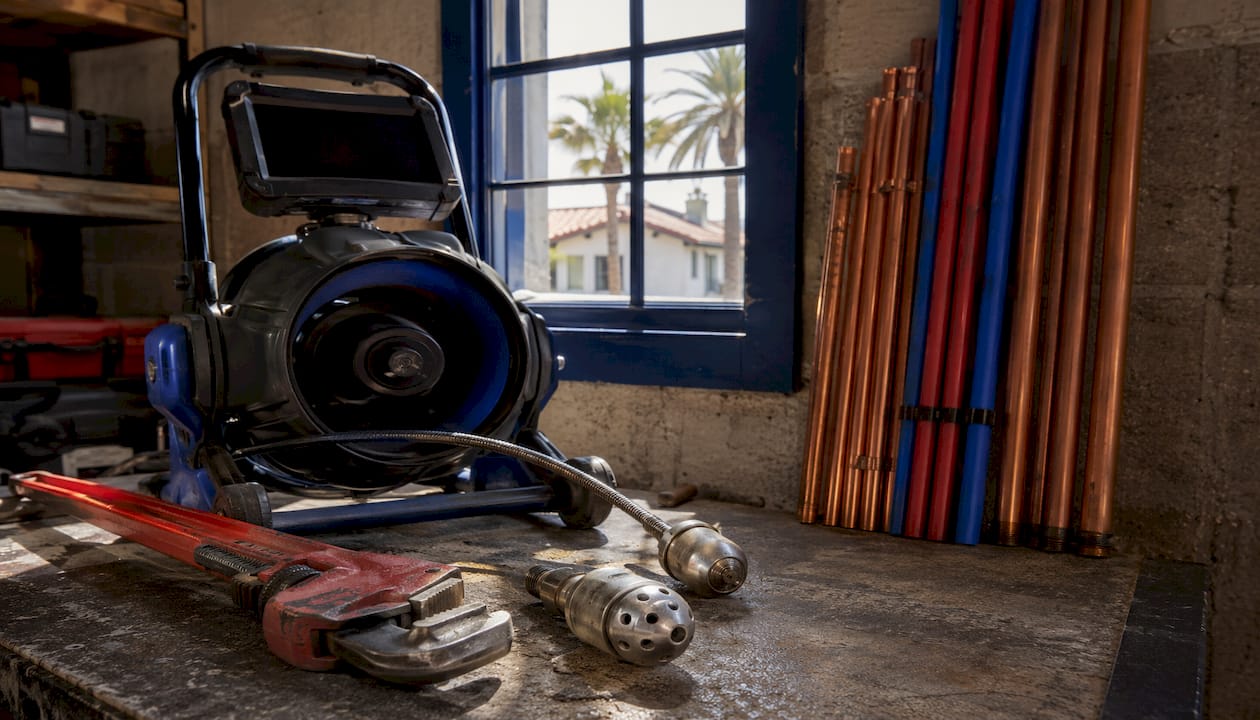
The fizzing reaction looks productive, but it is largely cosmetic. Vinegar (acetic acid) and baking soda (sodium bicarbonate) neutralize each other on contact, producing water and carbon dioxide. That reaction does not dissolve hair, grease, or soap scum compacted inside a drain. For a minor slow drain, a mechanical drain snake or a cup plunger is far more effective. Persistent clogs need professional attention.
3. Chemical drain cleaners are a safe, quick fix
This is one of the most damaging misconceptions in residential plumbing. Products containing sodium hydroxide or sulfuric acid generate intense exothermic heat when they contact water. That heat warps PVC fittings, corrodes metal joints, and degrades pipe finishes. Worse, these cleaners often bore only a narrow tunnel through a clog rather than clearing it fully, so the blockage returns quickly. A mechanical auger or hydro-jetting by a licensed plumber resolves the clog without damaging the pipe.
Pro Tip: Never mix two chemical drain products, even if both are labeled “drain cleaner.” Combining different formulations can produce chlorine gas or violent reactions that cause chemical burns.
4. A slow drip is not worth fixing right away
A single dripping faucet at one drop per second wastes over 3,000 gallons of water per year. Beyond the water bill, small leaks rarely self-correct. They escalate into water staining, mold growth behind walls, and structural damage to subfloors and framing. Ignored leaks behind walls are a leading cause of mold that affects home value and can require expensive remediation. Fix drips promptly: replace a worn washer or cartridge, or call a plumber if the fixture is older or the leak source is unclear.
5. A brick in the toilet tank saves water
Placing a brick or other solid object in the tank to displace water seems logical, but bricks deteriorate over time. Sediment and crumbling particles interfere with the flapper and fill valve, causing the toilet to run continuously, which wastes far more water than the brick ever saved. A better approach: install a WaterSense-labeled low-flow toilet or ask your plumber to adjust the float to reduce the fill level safely.
6. Garbage disposals have blades you can sharpen with ice or lemon peels
Disposals do not have cutting blades. They use metal impellers and a stationary grind ring that relies on centrifugal force to break down food. Running ice cubes through the unit does not sharpen anything; it stresses the motor bearings. Lemon peels may briefly mask odors but do nothing for mechanical performance. Clean the disposal with dish soap and a brush, and avoid putting fibrous foods, starchy items, or grease down the drain.
7. Hot or boiling water dissolves grease clogs
Pouring boiling water down a drain can temporarily liquefy grease, but the grease re-solidifies as it cools further down the pipe, often creating a denser blockage. In homes with PVC drain lines, water above 140°F can soften pipe joints and loosen fittings. Grease clogs require mechanical clearing or hydro-jetting. The better prevention: collect cooking grease in a container and dispose of it in the trash.
8. In-tank toilet cleaning tablets keep your toilet clean and safe
Blue or bleach-based in-tank tablets seem convenient, but they continuously expose the rubber flapper, fill valve, and other internal components to concentrated bleach. That constant chemical contact degrades rubber parts within months, causing the toilet to run and wasting water. Clean the bowl manually with a brush and toilet cleaner, and replace internal tank components on a scheduled basis rather than relying on chemical tablets.
9. A noisy water heater is about to explode
Gurgling, popping, or rumbling from a water heater almost always indicates sediment buildup at the bottom of the tank, not structural failure. Mineral deposits from hard water accumulate over time, trap water pockets beneath them, and create those sounds as water heats. The fix is an annual tank flush and, if efficiency has dropped significantly, a professional inspection. Review the signs you need a new water heater if the unit is more than 10 years old or if flushing does not resolve the noise.
10. A plunger or single DIY trick can fix any clog
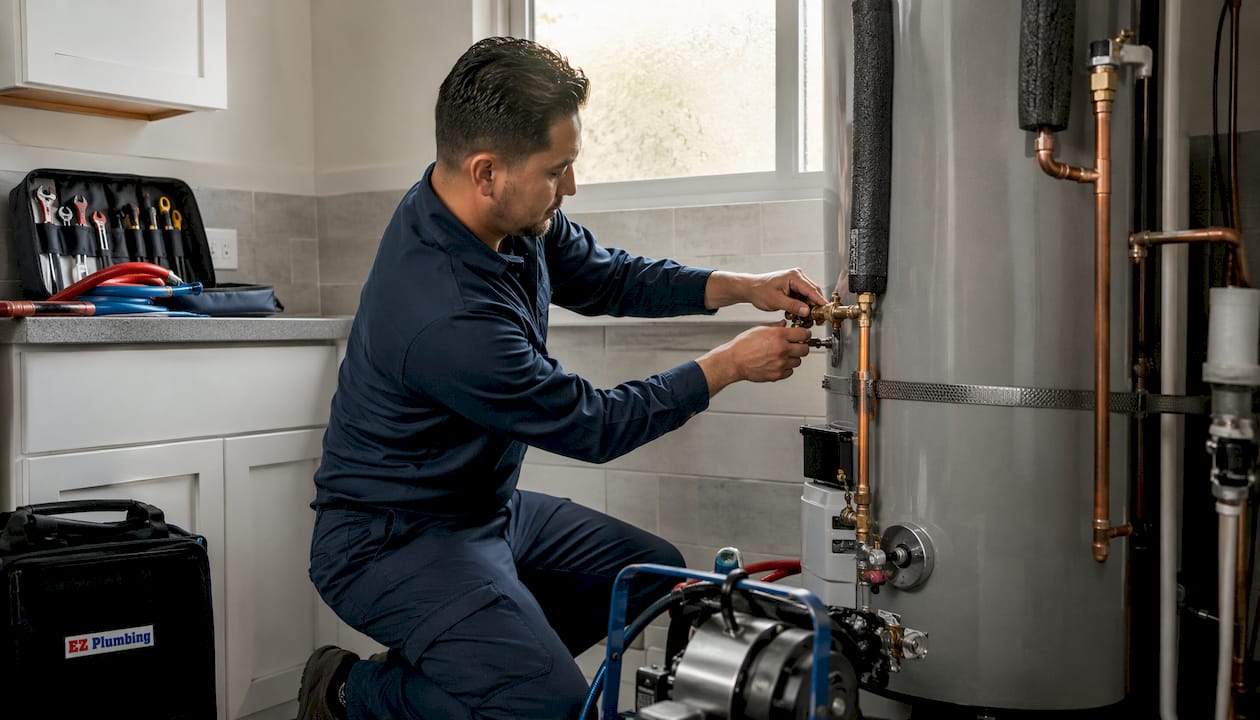
A cup plunger works well on toilet clogs and simple drain blockages. It does not work on clogs caused by root intrusion, collapsed pipe sections, grease buildup deep in the line, or foreign objects lodged past the trap. Using excessive force with a plunger on older clay or cast-iron pipes can crack fittings. When a clog returns within days of clearing, or when multiple fixtures back up simultaneously, the problem is in the main line and requires a camera inspection and professional clearing.
11. Tree roots only damage sewer lines in older neighborhoods
Tree roots follow moisture and will invade sewer lines over time regardless of a home’s age. In Los Angeles, older clay sewer laterals are especially vulnerable, but even newer PVC lines develop joint gaps that roots exploit. Slow drains, gurgling sounds from multiple fixtures, and sewage odors in the yard are early indicators. Periodic camera inspection of the main sewer line, typically every 2–3 years for properties with mature trees, catches root intrusion before it requires full-line excavation. Learn more about sewer line maintenance and what inspections involve.
Pro Tip: Root-control treatments using copper sulfate or foaming herbicides, applied by a licensed plumber, can slow root regrowth between inspections without harming the surrounding landscape.
12. DIY pipe repairs with tape, epoxy, or rubber couplings are permanent fixes
Pipe repair tape, epoxy putty, and rubber couplings are emergency measures, not permanent repairs. They are not rated for sustained water pressure and will fail, often at the worst possible time. Using the wrong material for a pipe type (for example, applying a galvanized fitting to a copper line without a dielectric union) accelerates galvanic corrosion. Improper repairs also violate LA municipal plumbing code and can void homeowner’s insurance claims. A licensed plumber will use code-compliant materials and fittings sized correctly for the pipe.
13. Water softeners are necessary for every home
Water softeners address hard water, which in Los Angeles is a genuine concern given the mineral content of municipal supply. However, softeners are not universally necessary. Homes with newer fixtures and PVC piping tolerate moderate hardness well. Softeners add sodium to the water supply, which is a consideration for residents on low-sodium diets, and they require ongoing salt replenishment and maintenance. A water hardness test, available from most hardware stores or through a plumber, tells you whether a softener is warranted before you invest in one.
14. Plumbing fixtures last indefinitely with no maintenance
Most residential plumbing fixtures have defined service lives. Faucet cartridges and washers typically last 10–15 years before they begin to leak. Toilet flappers degrade in 3–5 years, especially in homes using in-tank tablets. Water heater tanks have an average service life of 8–12 years; tankless units last longer but require annual descaling. Waiting for a fixture to fail completely before replacing it usually means dealing with water damage alongside the replacement cost. Scheduled inspection and proactive fixture replacement is consistently less expensive than emergency repair.
15. Hiring a licensed plumber always costs more than DIY
The upfront cost of a licensed plumber is higher than a hardware store purchase, but the comparison rarely holds over time. DIY repairs using incorrect materials, improper techniques, or code-noncompliant fittings frequently require a licensed plumber to undo and redo the work, at greater total cost. Warranty claims on appliances like water heaters are routinely denied when the installation or repair was not performed by a licensed contractor. Understanding the risks of DIY plumbing before starting a project can save you from a much larger bill later.
Why plumbing myths persist and what they actually cost you
Plumbing misinformation spreads for predictable reasons. DIY content on social media presents simple-looking fixes that appear logical on the surface. Marketing language like “flushable” or “drain-safe” is designed to sell products, not to reflect engineering standards. And most homeowners have limited visibility into what happens inside their pipes, which makes it easy to assume a fix worked when the underlying problem has only been deferred.
The deeper issue is that plumbing is governed by fluid dynamics and material compatibility, not intuition. A hack that looks reasonable, like using a brick to displace tank water or pouring a chemical cleaner down a slow drain, ignores how pipe materials respond to heat, chemical exposure, and pressure over time. Following that folklore commonly voids manufacturer warranties and accelerates system failure.
The EPA’s WaterSense program quantifies the water-waste side of this equation. Household leaks collectively waste nearly 1 trillion gallons of water annually across the United States, much of it from drips and running toilets that homeowners assume are minor. That is not a small inefficiency.
Pro Tip: When a product claims to be “flushable,” “drain-safe,” or “pipe-friendly,” look for a technical breakdown standard rather than marketing language. If the label does not cite a specific disintegration test or material-compatibility rating, treat the claim as unverified.
When should you try DIY, and when should you call a plumber?
Low-risk DIY steps worth trying first:
- Use a cup plunger on a single slow or blocked drain before calling anyone.
- Clean faucet aerators by unscrewing the tip and rinsing the screen under water.
- Replace a toilet flapper if the toilet runs continuously and the flapper is visibly worn.
- Turn off the water supply valve to a leaking fixture immediately to limit damage.
- Flush your water heater tank annually following the manufacturer’s procedure.
Steps to avoid regardless of how straightforward they look:
- Do not pour chemical drain cleaners into any drain.
- Do not use in-tank bleach tablets.
- Do not patch a pressurized pipe with tape, epoxy, or rubber couplings as a long-term fix.
- Do not attempt gas water heater repairs without a licensed technician.
| Symptom | Safe DIY step | Call a plumber when… |
|---|---|---|
| Running toilet | Replace flapper; adjust float | Toilet still runs after flapper replacement |
| Slow single drain | Plunger; remove and clean stopper | Clog returns within a week |
| Multiple drains backing up | Turn off water supply | Any backup involving multiple fixtures |
| Sewage odor indoors or in yard | Check and refill P-traps | Odor persists; suspect main-line issue |
| Noisy water heater | Flush sediment from tank | Noise continues after flush; unit is 10+ years old |
| Water stain under floor or behind wall | Document with photos; turn off supply | Any visible stain; suspect hidden leak |
For hidden leaks behind walls or under slabs, professional leak detection services use acoustic equipment and thermal imaging to locate the source without unnecessary demolition. Attempting to find these leaks by opening walls yourself often causes more damage than the leak itself.
A note on electrical safety: water heaters, especially electric models, involve both high-voltage wiring and pressurized water. Never work on a water heater’s electrical connections or pressure-relief valve without shutting off the power at the breaker and the cold-water supply. For gas water heaters, any smell of gas requires immediate evacuation and a call to your gas utility before any plumbing work begins.
Key Takeaways
Most plumbing myths persist because they sound logical, but following them causes water waste, pipe damage, and warranty voids that cost far more than a professional repair.
| Point | Details |
|---|---|
| Never flush wipes | All wipes, including “flushable” varieties, contain synthetic fibers that clog sewer lines. |
| Avoid chemical drain cleaners | Sodium hydroxide and sulfuric acid formulas warp PVC and corrode metal joints. |
| Fix drips immediately | A single dripping faucet wastes over 3,000 gallons of water per year. |
| Schedule fixture maintenance | Flappers, cartridges, and water heater tanks have defined service lives; replace proactively. |
| Ez-plumbing for licensed help | Ez-plumbing (C-36 License #583868) provides drain cleaning, leak detection, and sewer repair across greater Los Angeles. |
A licensed plumber’s perspective on myth-related damage
At Ez-plumbing, holding a C-36 License (#583868) means we are accountable to LA municipal code on every job, and that accountability gives us a clear view of what myth-driven repairs actually look like in the field. The pattern is consistent: a homeowner tries a chemical cleaner, a wipe clogs the lateral, or a DIY patch holds for six months and then fails behind a wall. By the time we arrive, the repair is more involved than it needed to be.
The maintenance habits that prevent most of these calls are straightforward. Flush your water heater tank annually and review the full water heater maintenance checklist to catch sediment and anode rod wear before they shorten the unit’s life. Inspect visible supply lines and drain connections under sinks every six months. Schedule a main sewer-line camera inspection every 2–3 years if your property has mature trees. Clean faucet aerators once a year. And follow the proactive steps for LA homes that reduce emergency calls significantly. None of these tasks require a plumber, but catching a problem early almost always means a simpler, less expensive repair when one is needed.
Ez-plumbing is ready when the myths catch up with your pipes
When a clog, leak, or water heater problem goes beyond what a plunger and a flapper replacement can fix, Ez-plumbing is the licensed, insured team serving greater Los Angeles. With a C-36 License (#583868) and services covering drain cleaning, sewer line repair, and leak detection, we resolve the problem correctly the first time, using code-compliant materials and methods that protect your warranty and your home. Contact Ez-plumbing to schedule a service call or get same-day help for urgent repairs.
Useful sources and further reading
- EPA WaterSense: The EPA’s water-efficiency program, including fixture standards and household leak data.
- EPA Fix a Leak Week: Guidance on finding and fixing common household leaks, with water-waste estimates.
- U.S. Department of Energy: Water heater efficiency standards, energy-saving tips, and appliance lifecycle guidance.
- Ez-plumbing: Drain Cleaning Guide for LA Homeowners: Safe, effective drain-cleaning methods and when to call a professional.
- Ez-plumbing: Why Sewer Line Maintenance Matters: Root intrusion risks, inspection intervals, and prevention strategies for LA properties.
- Main Sewer Line Inspection Guide: What a sewer-line inspection covers and how it protects your home from hidden damage.