
Why Your Laundry Drain Backs Up (And How to Fix It Fast)
Most laundry drain backups trace back to three culprits: a lint-clogged standpipe, a kinked or improperly inserted drain hose, or excess suds from too much detergent. If only your washer is affected, you can usually fix this yourself. If other fixtures back up too, you’re likely looking at a main sewer line problem that needs professional attention.
Turn off the washer immediately and let it sit. Then:
- Catch pooling water with towels and a bucket before it spreads across the floor.
- Reroute the drain hose into a nearby utility sink or bathtub as a quick test.
- Call a licensed plumber right away if you smell sewage or see backup in a toilet or shower.
Pro Tip: Never run another load until you’ve identified the cause. A second cycle on a partially clogged standpipe often turns a slow drain into a flooded laundry room.
Key Takeaways
A laundry drain backing up is almost always lint, a loose hose, or excess suds, unless multiple fixtures are affected, which signals a sewer line problem instead.
| Point | Details |
|---|---|
| Isolate the problem first | Reroute the drain hose to a utility sink; if it drains clean there, the standpipe is the culprit. |
| Snake before you assume the worst | A hand auger through the standpipe and P-trap clears most lint clogs without professional tools. |
| Recurring clogs mean structural issues | Backups that return within days often point to undersized pipes or venting problems, not fresh debris. |
| Multiple fixtures backing up is urgent | Gurgling or slow drains in other rooms means a main sewer issue and calls for a professional camera inspection. |
| EZ Plumbing diagnoses before repairing | Licensed under C-36 #583868, EZ Plumbing uses camera inspection and hydro-jetting to confirm the cause before recommending a fix. |
Table of Contents
- What Causes a Laundry Drain to Back Up?
- How Do You Know If It’s a Local Clog or a Sewer Problem?
- Step-by-Step DIY Fixes for a Clogged Laundry Drain
- When Is a Laundry Drain Problem More Than a Clog?
- When Should You Call a Licensed Plumber?
- How Do You Prevent a Washing Machine Drain From Backing Up?
- Staying Safe After a Laundry Drain Overflow
- What EZ Plumbing Sees on Laundry Drain Calls
- Get Your Laundry Drain Fixed Right the First Time
- Sources
What Causes a Laundry Drain to Back Up?
Five checks, done in order, tell you almost everything you need to know before you touch a wrench.
- Inspect the hose visually. Look for kinks behind the washer, cracks near the connector, and confirm the hose sits inside the standpipe without being jammed too far down, which can create a seal that traps air and backs up water.
- Check the insertion depth. LG’s own support guidance notes that a hose not fully seated in the drainpipe is a common, tool-free fix mistaken for a real clog.
- Run the utility sink test. Move the drain hose to a laundry sink or tub and run a short cycle. If it drains fine there, the standpipe or trap is your problem, not the washer.
- Listen for gurgling. A gurgle from a nearby sink or toilet during the wash cycle suggests trapped air in a shared drain line, not an isolated clog.
- Check other fixtures. Flush a toilet or run a sink faucet. If they’re slow too, you’re dealing with a branch or main line issue, not the laundry drain alone.
Pro Tip: If water backs up within seconds of starting the drain cycle, the blockage sits close to the standpipe. If it takes most of the cycle to surface, the clog is likely further down the line.
Any backup involving sewage odor or more than one fixture means it’s time to stop testing and call a plumber.
How Do You Know If It’s a Local Clog or a Sewer Problem?
Timing and routing tell the story. A backup that appears within the first minute of the drain cycle almost always sits in the standpipe or the P-trap directly behind it, a small, easily accessed space where lint and detergent residue accumulate. A slow, gradual rise in water level over several minutes points further downstream, toward the branch line or main sewer.
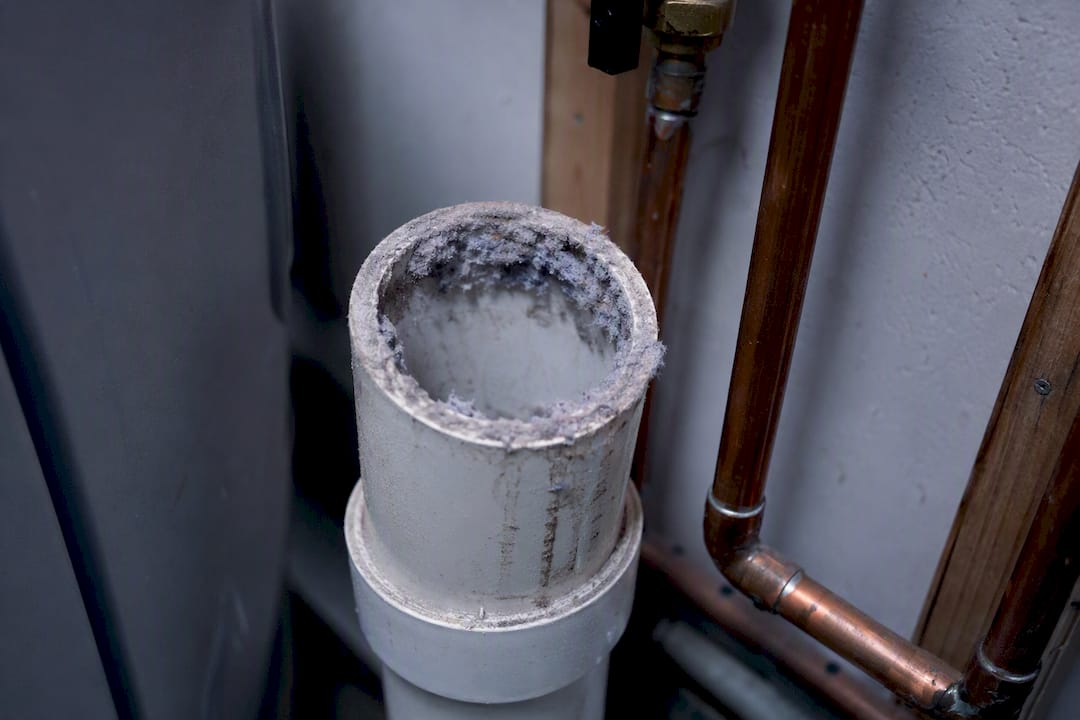
The utility sink test remains the clearest diagnostic tool available to a homeowner. Redirecting the hose to a different drain and getting a clean drain confirms the standpipe itself is the problem. If water still backs up in the sink, the issue lives deeper in your plumbing.
Watch for these supporting signs:
- Gurgling in other fixtures during the wash cycle, which indicates shared venting or a partial branch blockage.
- Backup that shows up in a bathroom sink or tub at the same time as the laundry drain.
- A clog that returns within days of snaking, even though you cleared visible lint each time.
That last pattern matters more than most homeowners realize. Repeated short-term fixes from snaking often point toward pipe diameter or venting problems rather than simple debris, according to appliance repair specialists who track recurring drain complaints.
Step-by-Step DIY Fixes for a Clogged Laundry Drain
Before you touch anything, unplug the washer, lay down towels, and put on rubber gloves. Never mix drain chemicals with anything else in the pipe. Combining an acidic clog remover with an alkaline one already in the line can produce dangerous fumes in an enclosed laundry space.
- Inspect and correct the hose. Pull the drain hose free and check for cracks, splits, or kinks along its length. Replace it if you find damage. Reinsert it into the standpipe so it sits loosely, with a visible air gap, and secure it with a clamp or zip tie so it can’t slip deeper or fall out.
- Snake the standpipe. Feed a hand auger into the standpipe opening, turning the handle clockwise as you push. You’ll feel resistance when you hit the clog, usually a dense mass of lint and detergent film. Rotate the auger through the blockage rather than forcing it, then retract slowly to pull debris out with the cable.
- Clear the P-trap. If the standpipe feeds into an accessible P-trap, place a bucket underneath, loosen the trap, and clear out any lint pack by hand before reassembling with fresh plumber’s tape on the threads.
- Flush with hot water. Run hot tap water through the drain for two to three minutes to loosen residual detergent film. Enzyme cleaners can help break down organic buildup overnight, but they won’t dissolve solid lint clogs or fix a hose problem.
- Test with an empty cycle. Run the washer empty on a short cycle and watch the standpipe closely. Clean, fast drainage means you’ve solved it. Any lingering slowness or gurgling means the clog sits further down than you can reach with a hand auger.
Pro Tip: Keep a flashlight handy during the snake step. Seeing the auger cable disappear into the standpipe helps you judge how deep the clog actually sits, which tells you whether a longer commercial-grade snake is worth renting.
When Is a Laundry Drain Problem More Than a Clog?
Sometimes the clog isn’t really the problem. It’s the pipe.
Many older homes were plumbed before high-efficiency washers pushed water at today’s discharge rates, and a standpipe smaller than the 2-inch minimum many plumbing codes now call for simply can’t keep up. The water backs up because the pipe is too small to handle the water volume, not because it’s dirty.
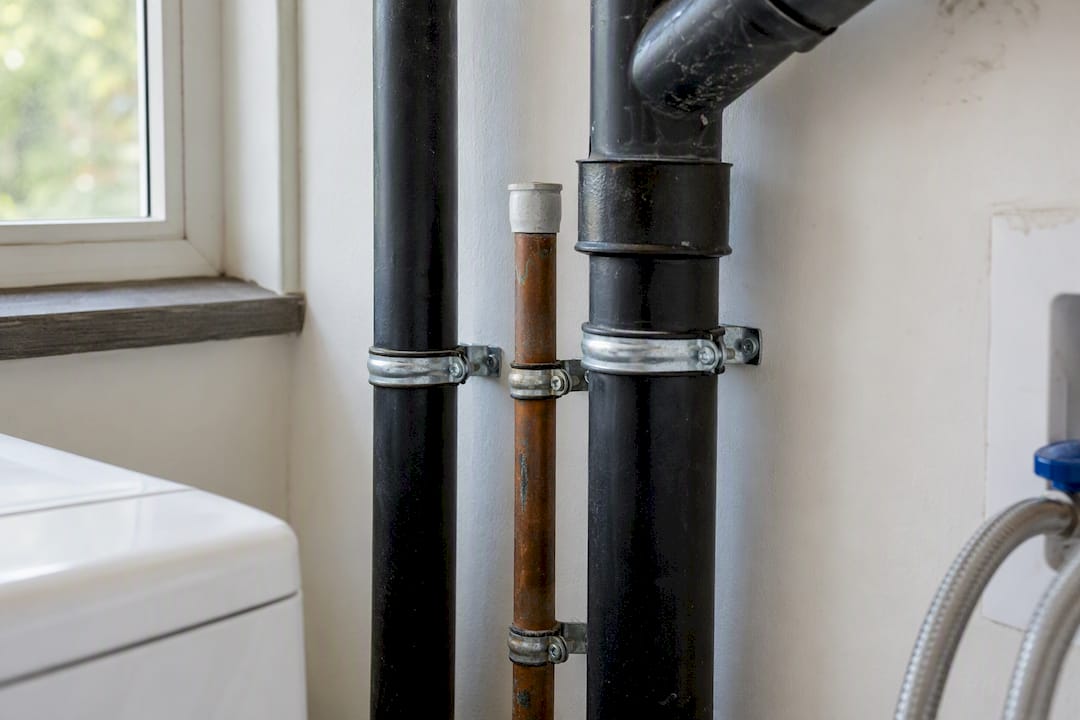
Venting problems create a similar effect. When a drain line loses proper air venting, water can’t flow smoothly, which produces the gurgling sound many homeowners mistake for a simple clog. This is an airlock issue, and no amount of snaking fixes it.
Watch for these signs of a structural problem:
- Tree root intrusion into older clay or cast iron sewer laterals, often revealed by slow drainage across the whole house
- A “belly” or sag in the sewer line where waste pools instead of flowing downhill
- Partial pipe collapse from age or ground shifting
- Septic tank saturation, if your property isn’t on municipal sewer service
Repeated snaking that only buys you a few days before the same backup returns is rarely a lint problem anymore. It’s a sizing, venting, or structural issue that a camera and the right diagnostic tools can actually solve.
This is where professional pipe upsizing, camera inspection, or hydro-jetting stop being optional upgrades and start being the actual fix.
When Should You Call a Licensed Plumber?
Some signs leave no room for a wait-and-see approach. Call a plumber the same day if you notice any of the following:
- Sewage smell anywhere in the house, not just near the washer
- Backup appearing in a toilet, shower, or second sink at the same time as the laundry drain
- The same clog returning within a week of proper snaking
- Standing water that won’t clear even after you’ve tried the hose and snake fixes above
A licensed plumber’s first move on a persistent case is usually a sewer camera inspection, which shows exactly what’s happening inside the line: root intrusion, a bellied section, or a partial collapse that a hand auger could never reach. From there, the fix depends on what the camera finds. Heavy grease or root buildup often responds well to hydro-jetting, which blasts the pipe walls clean with high-pressure water rather than just poking a hole through the clog. Some hydro-jetting providers describe the process as resetting the pipe’s interior surface, and that’s a fair way to think about it. A collapsed or badly bellied section usually needs targeted repair or replacement instead.
Hiring a licensed, insured plumber isn’t just about getting it fixed once. It’s about not paying for the same repair call three more times this year.
How Do You Prevent a Washing Machine Drain From Backing Up?
A little routine maintenance beats another flooded laundry room. Start with a mesh lint trap on the discharge hose and check it after every load. It’s a small habit that stops most lint before it ever reaches the standpipe.
- Use high-efficiency detergent in the amount your washer’s manual recommends. Excess suds are one of the most common and most avoidable causes of backup.
- Avoid overloading the washer, which pushes more lint and debris through the drain line per cycle than the pipe can handle smoothly.
- Snake vulnerable standpipes quarterly, or run an enzyme treatment on the same schedule if your line has a history of buildup.
- Keep several inches of clearance between the washer and the wall so the hose never kinks under pressure.
- Replace any hose showing cracking, bulging, or stiffness before it fails, not after.
Pro Tip: Write the date on a piece of tape stuck to your washer’s drain hose every time you replace it. Most hoses need swapping every three to five years, and it’s an easy detail to forget until it fails.
For a broader maintenance routine covering more than just the laundry line, our drain maintenance guide walks through what to check throughout the house.
Staying Safe After a Laundry Drain Overflow
Standing water from a drain backup can carry bacteria, especially if it backed up from a shared sewer line. Wear gloves and boots before cleanup, and avoid direct contact with the water.
- Discard soaked carpet padding, cardboard, or other porous materials that came into contact with backup water.
- Run fans and a dehumidifier immediately to dry the area, following EPA guidance on mold and moisture control.
- Call a remediation professional if water sat for more than 24 to 48 hours, and photograph the damage for insurance documentation.
What EZ Plumbing Sees on Laundry Drain Calls
Most laundry drain calls we take turn out to be exactly what this article describes: lint, a loose hose, or too much detergent. But recurring cases, the ones where a homeowner has already snaked the line twice, deserve a camera inspection before we recommend any repair. Guessing at a pipe’s condition wastes a customer’s money.
EZ Plumbing operates under California C-36 License #583868, serving the greater Los Angeles area. When we visit for a drain call, expect a straightforward diagnosis, an upfront estimate, and a clear explanation of what we found before any work begins.
— EZ
Get Your Laundry Drain Fixed Right the First Time
If you’ve worked through the hose checks and the snake and the backup keeps returning, you’re past the point where another bottle of enzyme cleaner helps. EZ Plumbing brings sewer camera equipment and hydro-jetting capability to the diagnosis stage, which means we identify root intrusion, pipe bellies, or sizing problems on the first visit instead of guessing after a second callback.
Our drain cleaning services cover everything from a simple standpipe snake to full sewer line diagnostics, and every visit includes a clear estimate before we start any work. If your laundry drain has backed up more than once this year, or you’re seeing signs in other fixtures too, schedule a diagnostic visit and get a definite answer instead of another temporary fix.
Sources
- How to fix washing machine drain overflows | This Old House
- How To Fix a Washing Machine Drain Overflow (In 6 Steps) | Today’s Homeowner
- LG Support: Water leaks from the drain outlet and drain hose during drainage
- A brief guide to mold, moisture and your home | EPA