
Sewer Lateral Inspection Cost: LA Guide
A standard sewer lateral inspection with existing cleanout access typically costs $125 to $500, but the final price in Los Angeles can easily exceed $1,000 if the crew must create new access points or remove fixtures to reach the line. The camera work itself is often the affordable part, while access, preparation, and difficult site conditions determine the invoice.
You may be looking at a pre-purchase inspection, a recurring backup, or a plumber's recommendation to investigate an older line before it becomes an emergency. Then a contractor quotes a few hundred dollars, another quotes more than a thousand, and neither number makes sense until you know how the crew will reach the lateral beneath your property.
Los Angeles properties make that question especially important. Older homes, mature landscaping, narrow side yards, multi-unit buildings, buried cleanouts, and connections running beneath driveways can turn a straightforward camera scope into a larger diagnostic job. The practical decision isn't whether the inspection is “expensive.” It's whether the quote reflects the access work needed to produce useful evidence.
Table of Contents
- Sewer Lateral Inspection Cost: Two Very Different Jobs
- Key Factors That Drive Your Final Quote
- What a Professional Camera Inspection Entails
- Real-World Scenarios and Sample Quotes
- Why This Diagnostic Step Saves Thousands
- How to Prepare and Choose the Right Contractor
- Common Questions and Next Steps for LA Properties
Sewer Lateral Inspection Cost: Two Very Different Jobs
A homeowner in the San Fernando Valley may call about slow drains and receive a quote for a basic camera inspection. With an accessible cleanout, the plumber can insert the camera, record the line, and explain the findings without opening walls or removing fixtures. Independent inspection guidance places this type of residential sewer scope in the $125 to $500 range, with common pricing around $200 to $300 when cleanout access already exists (East Bay PSL inspection fee guidance).
A hillside property or older Beverly Hills home can require a different scope. The cleanout may be missing, buried, damaged, or hidden behind a finished wall. The technician might need to remove a toilet, expose a connection, locate the pipe electronically, or create an access point before the camera can enter. An independent pricing breakdown puts standard work with an existing cleanout around $100 to $300, while toilet removal, added access, or a new cleanout can bring the job to $700 to $2,000 or more (independent sewer line inspection pricing breakdown).
That difference explains why a neighbor's $200 inspection may not match your $1,200 quote. One contractor is charging for camera time through a ready-made opening. The other is pricing access work, labor, restoration, and the risk of working around older plumbing.
The baseline only applies when access is ready
Los Angeles owners should treat the inspection price as one part of the decision. A camera can identify root intrusion, offsets, blockages, and structural defects before excavation or replacement becomes the only practical option. The value depends on whether the crew can reach and document the entire lateral, not just whether the initial camera fee looks low.
Ask for a written scope before approving the work. It should state whether cleanout locating, excavation, toilet removal, electronic locating, cleaning, recording, and restoration are included. If you are comparing this diagnostic service with other property protection investments, you can also compare leak detection system prices to see how equipment access and installation scope affect pricing in another plumbing context.
Practical rule: Compare the access plan before comparing the inspection price. A low quote that cannot reach the problem is not a bargain.
Key Factors That Drive Your Final Quote
A homeowner in Los Angeles may receive two very different sewer lateral inspection quotes for similar-looking properties. The difference usually comes from access, pipe condition, surface restoration, and the time required to document the line. The camera equipment is standard. The property rarely is.
Access conditions come first
An open, usable cleanout near the building gives the crew a direct entry point. A buried cleanout requires locating, uncovering, and restoring the area. If the lateral has no practical opening, the contractor may need to remove a toilet or create access before the camera can enter. Labor, protection, reinstallation, testing, and surface repairs should be listed separately.
Lateral length and layout also affect the quote. A short, straight run with clear visibility takes less time to inspect than a long line beneath a driveway, foundation area, or planted section. Electronic locating helps identify the position of a defect, which matters when deciding where excavation might occur, but it adds equipment time and reporting work.
Site and scheduling variables
An inspection during normal access hours is easier to coordinate than an urgent visit during an active backup. After-hours dispatch may cost more. HOA and multi-unit properties can require gate access, resident notices, parking arrangements, and checks of several cleanouts before the technician reaches the correct line.
Older Los Angeles infrastructure creates another pricing variable. Clay, cast iron, and mixed pipe materials may show different failure patterns, while mature landscaping can place roots directly over the lateral. Heavy roots, grease, scale, or standing debris can block the camera view. Cleaning or hydro jetting may be necessary first, and it should appear as a separate line item rather than being folded into a vague inspection fee.
| Site Condition | Typical Cost Impact | Why It Costs More |
|---|---|---|
| Existing accessible cleanout | Lower end of the standard range | The camera can enter directly with limited setup |
| Buried or difficult-to-find cleanout | Higher than a simple scope | Locating, uncovering, and restoring access adds labor |
| Toilet removal required | Can move the job into the higher range | Fixture removal, protection, reinstallation, and testing take time |
| New access point needed | Adds permit, excavation, and restoration planning | The work may require coordination with local requirements and leave a surface that must be repaired |
| Heavy roots or buildup | Additional cleaning cost | The camera may not produce reliable evidence until the obstruction is cleared |
| After-hours emergency visit | Premium over scheduled service | Urgency, dispatch, and off-hours labor change the service scope |
| Multi-unit or HOA property | Variable, depending on access | Shared lines, resident coordination, and reporting increase complexity |
For a new access point, ask how permit handling, inspection scheduling, excavation, and restoration affect the timeline. Those details can change the final invoice even when the camera portion of the work is straightforward.
The written quote should identify whether the contractor is scoping only, cleaning first, electronically locating the line, or preparing a repair recommendation. Confirm each item before approving the visit.
What a Professional Camera Inspection Entails
A professional sewer lateral inspection starts with access, not with the camera. The technician identifies the cleanout or another entry point, protects the surrounding surface, and checks whether the opening is safe to use. On older Los Angeles properties, that preliminary work can reveal that the cap is damaged, the pipe is shallow, or the supposed cleanout is an unrelated drain.

What the camera shows inside the lateral
The technician feeds a waterproof, illuminated camera head through the opening on a flexible push rod. A monitor displays the live image as the camera travels through bends and fittings. The operator watches for pipe material, cracks, separated joints, root entry, grease, scale, standing water, offsets, deformation, and blockages.
A visual inspection is useful only if the image is clear and the operator can reach the relevant section. If roots or debris block the lens, the contractor may need to clear the line first. That isn't the same as a camera inspection, and the estimate should distinguish between diagnosis and cleaning.
The camera also helps identify where a problem sits relative to the access point. When electronic locating is included, the technician can trace the pipe's path and estimate the position and depth of a defect from above ground. That information can prevent unnecessary excavation across a yard or driveway.
What you should receive afterward
At the end of the visit, you should understand what the camera found, where it found it, and what action is justified. Ask whether the contractor provides the video, a written report, or both. A usable record matters during a home purchase, an insurance conversation, an HOA maintenance decision, or a repair estimate.
For a closer look at the service format, review EZ Plumbing's sewer camera inspection service, including how a camera inspection supports decisions about cleaning, repair, or replacement.
Real-World Scenarios and Sample Quotes
A sewer lateral quote changes sharply with the property. A Valley house with an accessible cleanout may need only the camera visit, while an older Beverly Hills estate or shared Santa Monica line can require access work, cleaning, locating, and coordination before the inspection is complete. These examples reflect common Los Angeles conditions rather than fabricated contractor invoices.
A Valley home with a usable cleanout
A mid-century San Fernando Valley house has an exterior cleanout near the foundation. After a slow-drain episode, the owner requests a baseline inspection. The line is open, and the camera can pass without preparation.
That scope commonly falls within the standard residential range of $200 to $300 when cleanout access is available, as noted earlier. The homeowner should confirm whether the video is included, whether electronic locating costs extra, and whether cleaning is billed separately if roots or buildup obstruct the view.
A cleanout reduces labor. It does not guarantee a clear or fully inspectable line.
A Santa Monica HOA with shared access challenges
A multi-unit Santa Monica HOA may share a main line serving several residences. Cleanouts can sit behind landscaping, patios, or other hardscape, and the board may need the contractor to locate the line, coordinate entry, and perform minor hydro jetting before the camera can pass.
For this type of visit, a practical illustrative quote is often $400 to $900 for shared-line locating and jetting before any repair. The final amount depends on access, the length of the shared run, and whether the contractor must return after cleaning.
The board should request separate line items for locating, cleaning, inspection, documentation, and follow-up. A single camera-only price can hide the work required to reach a usable starting point.
A Beverly Hills property without a cleanout
An older Beverly Hills estate may have no usable exterior cleanout. The contractor could need to remove a toilet, protect finished surfaces, run the camera through the fixture opening, or create an access point. That preparation can place the visit well above a straightforward residential inspection, with the final quote driven by access requirements rather than the camera itself.
The estimate should state whether fixture removal, reinstallation, access creation, locating, cleaning, and surface restoration are included. On a high-value property, confirming those items in writing helps prevent a low initial quote from becoming a larger invoice.
For property managers, these examples show why one per-unit budget can mislead. One building may have several accessible cleanouts, while another requires interior entry or excavation in common areas. Local access and permit requirements should be priced before approval.
Why This Diagnostic Step Saves Thousands
A sewer lateral camera inspection is a risk-control decision for Los Angeles property owners. The fee is usually small compared with the cost of excavation, surface restoration, or replacing a line that was never confirmed to be defective. Municipal guidance explains that an inspection can reveal a developing problem before it becomes a much larger repair (Springfield sewer lateral guidance).
Los Angeles properties add their own pricing and access risks. Older homes may have limited cleanouts, shared laterals, or connections hidden beneath additions and hardscape. Hillside lots can make locating and excavation more difficult, while permit requirements can affect the repair plan. A camera does not remove those costs, but it shows whether they are justified.
Without video, a recurring backup can lead to repeated snaking, guesswork, or a premature replacement recommendation. Footage helps separate a removable obstruction from root intrusion, a damaged joint, or a collapsed section. That distinction lets the owner pay for the repair the line needs.
The inspection protects more than the pipe
A hidden defect can damage landscaping, paving, interior finishes, or a tenant's use of the property. On a sloped lot, sewage leakage or collapse may also increase excavation and restoration work. For an HOA, a recorded inspection gives owners a shared factual record before they approve construction.
Buyers gain useful evidence as well. A drain that flows during a showing does not prove that the underground lateral is sound. Camera footage can identify conditions a routine interior inspection cannot see, helping buyers, landlords, and investors plan repairs instead of reacting after sewage reaches the building.
If the video confirms structural damage, review sewer lateral replacement cost considerations to distinguish the diagnostic fee from the construction scope that may follow.
The inspection turns an underground dispute into a visible, locatable condition.
How to Prepare and Choose the Right Contractor
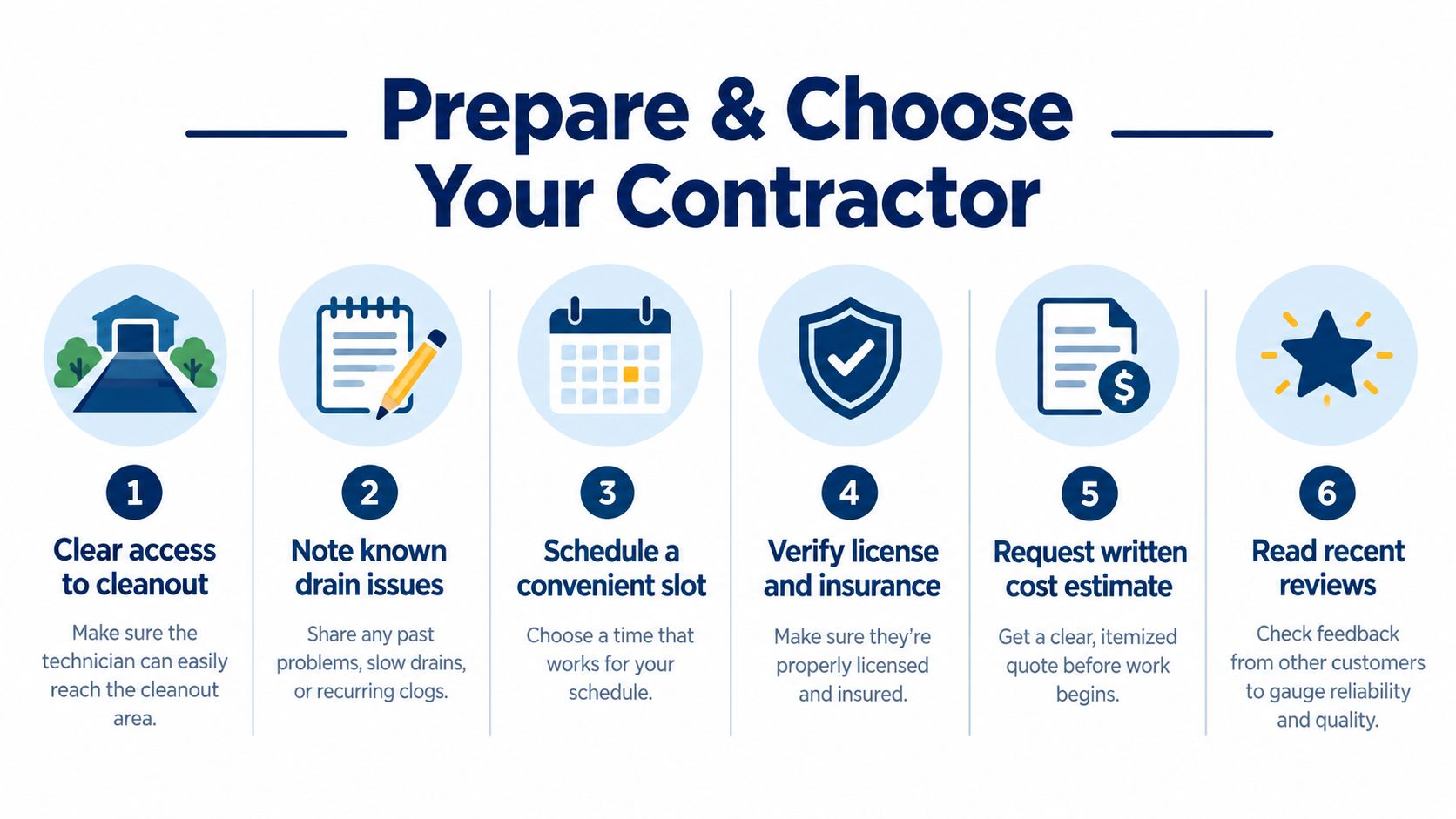
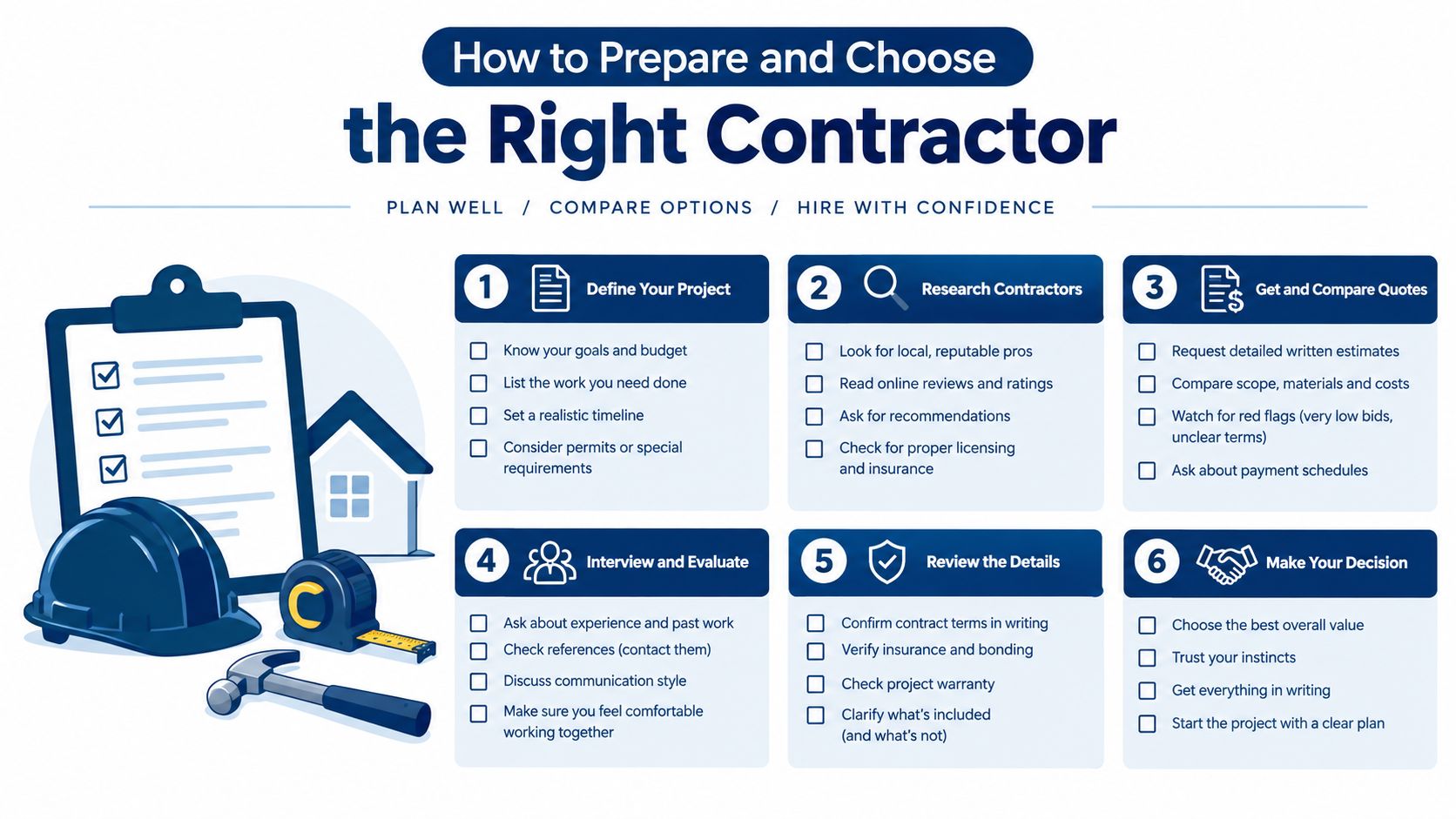
Preparation can keep a scheduled inspection focused on diagnosis instead of access delays. Before the technician arrives, identify the cleanout if you know where it is, clear furniture or stored materials from indoor access points, and open gates. For an HOA or rental property, notify residents and arrange access to any units that may contain relevant fixtures.
Prepare the property
Use this checklist before the appointment:
- Clear the route: Remove obstacles around exterior cleanouts and keep vehicles away from covers or access areas.
- Record symptoms: Note slow drains, odors, backups, gurgling, recent cleaning, and which fixtures were affected.
- Gather property records: Share prior plumbing invoices, repair drawings, or sewer maps if they exist.
- Ask about active flow: Tell the contractor whether the line is currently backing up, because the inspection plan may change.
- Protect expectations: Confirm whether the visit includes only camera work or also cleaning and electronic locating.
A contractor who can't access the line may need to reschedule or add labor. Good preparation doesn't solve a buried cleanout, but it prevents avoidable delays.
Vet the contractor before approving work
Verify the contractor's license and insurance, then request a written estimate that identifies access assumptions. Ask whether you'll receive the recording, whether the technician will mark defect locations, and whether the report is suitable for a real estate file or contractor bid.
Be cautious with a low quote that excludes the steps most likely to arise. The right comparison is not just the total price. It's the included access method, cleaning policy, locating equipment, documentation, emergency terms, and restoration responsibility.
For properties without a reliable entry point, ask whether the contractor can assess the need for a sewer cleanout installation and explain the access solution before work begins. That conversation may reveal why one estimate is limited to a scope and another includes preparation.
Common Questions and Next Steps for LA Properties
How often should a lateral be inspected?
There isn't one schedule that fits every Los Angeles property. A home with repeat backups, mature trees, older piping, or an upcoming sale has a stronger reason to obtain a camera record than a property with no symptoms and a well-documented newer line. Buyers should consider the inspection before closing, while property managers may use it when recurring service calls suggest an unresolved cause.
Can the camera see through standing water?
A sewer camera can often move through water, but standing water can limit the view of the pipe wall and hide defects below the surface. The technician may need to restore flow or clean the line before the footage supports a reliable conclusion. Ask whether the camera reached the full lateral or stopped at an obstruction.
What happens if the line is collapsed?
A fully collapsed section may stop the camera. The technician can document the stopping point, use locating equipment where available, and explain what access or excavation is needed to confirm the condition. Don't approve broad replacement work based only on a verbal statement. Request the footage, location, and written recommendation.
Should cleaning be included?
That depends on the purpose of the visit. If you want a baseline inspection of a flowing line, camera-only service may be appropriate. If the line is backing up or heavily obstructed, cleaning before inspection may be necessary, but the estimate should list it separately so you know what you're paying for.
For Los Angeles homeowners, landlords, HOAs, and property managers, the useful question isn't just “What does a sewer lateral inspection cost?” Ask what access the technician will use, what the camera can document, and what happens if the line can't be viewed. EZ Plumbing provides sewer camera inspection, written reporting, sewer diagnostics, and related repair services for properties across Los Angeles, with scheduled and emergency service options.
EZ Plumbing can inspect a sewer lateral through an available cleanout, document findings for repair bids or real estate records, and explain whether cleaning, repair, or replacement is justified. Visit EZ Plumbing to request a clear estimate for your Los Angeles property, or call the company directly to arrange service.