
7 Signs of Sewer Line Problems You Can’t Ignore
A gurgling toilet in a Los Angeles duplex, a slow shower drain in a Silver Lake condo, or a basement floor drain that suddenly smells bad all point to the same uncomfortable question, is this a simple clog or a sewer line problem? For homeowners, HOAs, landlords, and property managers, the wrong guess can turn a manageable repair into a health issue, a tenant complaint, or a damaged slab. In a city with aging underground systems and mature tree roots, sewer trouble doesn't always announce itself with a dramatic backup. It often starts as a pattern. This guide keeps it practical and direct, so you can spot the signs of sewer line problems early and decide when the next step is a camera inspection, not another bottle of drain cleaner.
Table of Contents
- 1. Multiple Slow Drains Throughout the Property
- 2. Sewage Backups and Water Pooling in Lower Levels
- 4. Frequent Backups or Recurring Clogs in the Main Drain
- 4. Frequent Backups or Recurring Clogs in the Main Drain
- 5. Sudden Appearance of Sinkholes or Ground Subsidence
- 6. Lush Green Patches or Unusually Healthy Vegetation
- 7. Water Intrusion in Basement or Crawl Space During Heavy Rain
- 7-Point Comparison of Sewer Line Problem Signs
- Take Action to Protect Your Property with EZ Plumbing
1. Multiple Slow Drains Throughout the Property
When one sink drains slowly, the problem may sit in that fixture's trap, branch line, or a nearby clog. When multiple fixtures start draining slowly at the same time, the odds shift toward a main sewer line issue deeper in the system. That pattern matters for Los Angeles homes, duplexes, and multi-unit buildings because shared lines often make one blockage visible in several places at once.
A practical example is a property where the kitchen sink, hallway tub, and downstairs toilet all begin acting up within the same week. That's not the pattern of a single hair clog. It's the kind of cross-fixture trouble that points to a downstream obstruction, partial collapse, or root intrusion in the building sewer, especially in older properties where deterioration is already a factor. A 2023 Utah State University analysis found that 20% of U.S. sewer and water pipes are already past their useful lives, which it translates to more than 452,000 miles of aging pipe, and it also reports 23,000 to 75,000 sanitary sewer overflow events every year (Utah State University analysis via SewerRepairHub).
Practical rule: If several fixtures slow down together, treat the problem as a sewer-line candidate until a camera inspection proves otherwise.
What to do before it gets worse
Document which fixtures are affected, when the slowdown started, and whether it changes with water use in another room. That helps a plumber separate a localized clog from a system-wide issue. Avoid chemical drain cleaners, because they can make diagnosis messier and can damage some pipe materials.
For property managers and HOA boards, this is the moment to communicate clearly with residents about water use while the line is being evaluated. A Los Angeles duplex with both units slowing down, or a Pasadena HOA receiving complaints from multiple stacks, needs a coordinated response, not scattered sink clearing. A professional sewer camera inspection can show whether the issue is grease, roots, settling, or damage, and hydro jetting is often the cleaner way to clear debris without relying on guesswork.
2. Sewage Backups and Water Pooling in Lower Levels
A backup that pushes sewage into a shower, tub, toilet, or floor drain is never a minor nuisance. It usually means the line is blocked, damaged, or overwhelmed enough that waste can't move away from the building the way it should. In older Los Angeles neighborhoods with below-grade spaces, that can show up first in a basement bathroom, a sunken laundry room, or a lower-level drain that suddenly starts pushing water back.
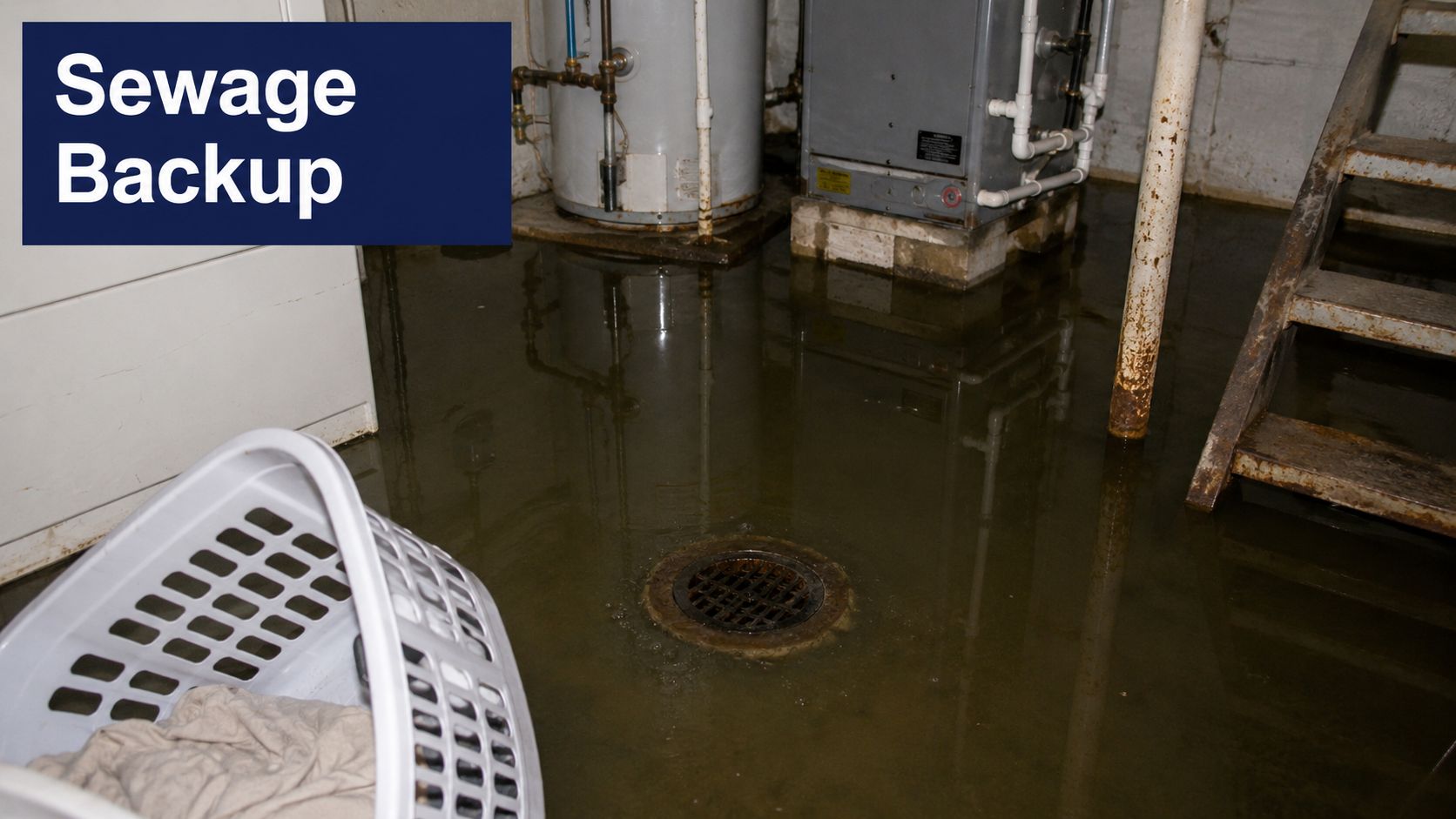
That kind of backup changes the response immediately. Stop using water in the building, because every flush, shower, and sink cycle can add more pressure to an already failing line. For a Los Angeles homeowner in an older neighborhood like Silver Lake or Los Feliz, or a Glendale property manager dealing with complaints from a basement level, this is the point to call for emergency plumbing help rather than waiting to see if the problem clears on its own.
Why this sign demands urgent action
Sewage-contaminated water is a health hazard, and it can also damage flooring, drywall, finishes, and stored property fast. Keep people away from the affected area and document the damage with photos before cleanup starts, especially if you may need an insurance claim later. If the building is commercial, notify employees immediately and follow any required public health reporting steps.
Sewage backup is not a “watch and wait” symptom. It usually means the main line needs professional inspection, and sometimes immediate repair.
A plumber should inspect the line with a camera to identify whether the issue is a blockage, root intrusion, or pipe failure. If the main line is damaged, trenchless repair options can reduce disruption compared with open excavation, which matters a lot in tightly built Los Angeles neighborhoods and shared-property settings. For a business, the fastest path back to normal operations is a clear diagnosis, not repeated attempts to run fixtures and hope the line clears itself.
4. Frequent Backups or Recurring Clogs in the Main Drain
A drain that clogs once after a big dinner or a shower full of hair is one thing. A main line or toilet that keeps backing up after repeated cleaning is a different problem entirely. Recurrence is the clue. It usually means something structural is still sitting in the line, such as roots, settling, pipe damage, or partial collapse, and the same issue will keep coming back until the cause is addressed.
This pattern shows up often in Los Angeles neighborhoods with older clay pipe systems and mature trees. Roots can slip into small cracks, then keep widening the opening as they grow, which is why repeat clogs in a Pasadena bungalow, a Hancock Park duplex, or an HOA property with old lateral lines should not be treated as routine maintenance. If you need a straightforward overview of cleaning methods and how they fit different blockage types, EZ Plumbing's sewer line cleaning page is a practical place to start, because grease, debris, and root intrusion do not respond the same way.
For older clay pipe systems, tree root problems often need more than another temporary cleanout. Property owners comparing repair options should also look at controlling tree roots without damage, especially when the line runs under established landscaping or near large street trees. A homeowner who keeps calling for main line cleaning every few months, or a Glendale multi-unit building that keeps hearing the same lower-unit backup complaints, is already past the point where a quick snake solves the underlying issue.
Repeated backups are a diagnostic pattern, not a coincidence. If the line fails again after cleaning, the cause is still there.
Choose the fix based on the cause
Camera inspection should come before more repeated cleanings if the same fixture or branch keeps failing. A CCTV look can show whether the pipe is offset, invaded by roots, or narrowed by buildup, and that diagnosis decides whether cleaning is enough or whether repair is the better choice.
That distinction matters for Los Angeles properties because older clay lines and mixed repairs often create trade-offs. Aggressive cleaning may clear the line for now, but if the pipe wall is broken or the joints are separated, the problem will return. In those cases, a targeted repair can cost less than repeated service calls, tenant complaints, and damage from another overflow.
Plumbers can often tell a lot from where the recurrence starts. If the same bathroom backs up first, the issue may be local to one branch. If several fixtures fail together, the main line is more likely involved. That pattern helps property owners, managers, and HOAs decide whether they are dealing with a maintenance issue or a line that needs structural attention.
4. Frequent Backups or Recurring Clogs in the Main Drain
A drain that clogs once after a big dinner or a shower full of hair is one thing. A main line or toilet that keeps backing up after repeated cleaning is a different problem entirely. Recurrence is the clue. It usually means something structural is still sitting in the line, such as roots, settling, pipe damage, or partial collapse, and the same issue will keep coming back until the cause is addressed.
This is especially common in Los Angeles neighborhoods with mature trees and older clay pipe systems, where roots can work their way into tiny cracks and keep expanding. A homeowner who needs the main line cleaned every few months, or a Glendale multi-unit building that keeps fielding tenant complaints about lower-unit backups, is already past the point where another quick snake is a real solution. If you want to compare cleaning methods and what they do best, the practical overview at EZ Plumbing's sewer line cleaning page is useful because the right method depends on whether the issue is grease, roots, or debris.
Repeated backups are a diagnostic pattern, not a coincidence. If the line fails again after cleaning, the cause is still there.
Choose the fix based on the cause
Camera inspection should come before more repeated cleanings if the same fixture or branch keeps failing. A CCTV look can show whether the pipe is offset, invaded by roots, or narrowed by buildup. Hydro jetting can help when debris or grease is the actual issue, and it often lasts longer than a basic snaking job because it scrubs the pipe walls more thoroughly.
If roots are the problem, the long-term answer may include root treatment, removing the offending tree, or repairing the pipe itself. For multi-unit properties, a preventive maintenance schedule beats emergency calls because it gives you time to choose a repair method and notify residents. Backwater valves can also help limit damage if a future main line failure occurs, especially in lower units.
The key trade-off is simple. Repeated cleaning is cheaper in the moment, but it's often more expensive over time if the underlying damage isn't solved. A camera report gives you the facts needed to decide between maintenance and repair.
5. Sudden Appearance of Sinkholes or Ground Subsidence
A depression in the driveway, a soft spot in the yard, or a section of concrete that starts settling without explanation is a serious red flag. Sewer pipes sit below that surface, and when they crack, break, or collapse, the surrounding soil can lose support and settle into the void. In practice, that means the sewer problem is no longer hidden.
For Los Angeles property owners, this sign matters because many older areas have underground systems that have been in the ground for decades. A sudden dip near a foundation in Pasadena, a driveway sinkhole in Beverly Hills, or a settling area near a multifamily building in Santa Monica should be treated as a safety issue first and a plumbing issue second. If you want to understand the inspection side, EZ Plumbing's sewer line inspection page is relevant because camera work is the fastest way to confirm whether the sewer line is tied to the surface failure.
Secure the area before anyone gets hurt
Cordon off the affected spot right away, and keep vehicles and foot traffic away from it. If the ground is moving, the condition can worsen quickly, especially after irrigation, rain, or continued plumbing use. Have a plumber and, if needed, a structural specialist evaluate the site together so the repair plan matches the actual damage.
If the ground has already shifted, don't assume it's only a landscaping problem. Underground pipe failure can create a hidden void before the surface gives way.
Take photos before any digging starts, because surface collapse can become part of an insurance claim. Trenchless repair is worth asking about if the line is otherwise a good candidate, since it can reduce demolition and restoration costs compared with open excavation. When excavation is unavoidable, coordinate the plumbing, landscaping, and hardscape work in one plan so the property doesn't get torn up twice.
For HOAs and managers, access control matters as much as the repair itself. Mark the area, notify residents, and prevent deliveries or parked vehicles from loading the damaged spot until the line is stabilized.
6. Lush Green Patches or Unusually Healthy Vegetation
A patch of grass that stays greener than everything around it can look harmless, even pleasant. In the wrong place, it's a clue. Sewage leaking underground can act like fertilizer, feeding plants and creating a wet, unusually healthy strip over a damaged pipe, especially during dry weather when the rest of the yard looks stressed.
This is one of the easiest sewer-line signs to miss in Los Angeles because people expect irrigation to explain uneven turf. A homeowner in August who notices a bright green patch near the foundation, a West Hollywood property manager who sees a suspicious growth pattern along the line route, or a Glendale commercial site with a circular wet spot and unusually healthy grass should treat that pattern as a leak candidate. The internal guide at EZ Plumbing's underground leak detection page fits well here because visual clues often need confirmation with camera work.
Compare the pattern, not just the color
Check irrigation records first so you can rule out overwatering or a broken sprinkler head. Then look for soil moisture, soft spots, or repeating wetness in the same area. A patch that stays green while nearby sections dry out is more suspicious than a yard that's unevenly watered.
A camera inspection can confirm whether the line has a crack or break beneath the patch. If the leak is sewage-related, the issue is bigger than turf damage. It may also affect soil quality and create sanitation concerns, especially near patios, walkways, or areas where children and pets spend time.
For property managers, adding sewer-line awareness to annual inspections is a smart move in older neighborhoods. Marking suspicious areas and watching whether they expand over time helps separate a one-off landscaping quirk from a real underground problem. If the line is repaired, the vegetation often stops looking unusually healthy because the leak source is gone.
7. Water Intrusion in Basement or Crawl Space During Heavy Rain
Water that enters a basement or crawl space only during heavy rain deserves close attention, especially when gutters and downspouts appear to be working. The mistake many owners make is assuming all wet-weather intrusion comes from surface drainage. In some cases, a cracked sewer line or damaged connection lets groundwater enter the pipe, then the system backs up into the property when the line can't handle the load.
This can show up in older central Los Angeles homes, Silver Lake properties with below-grade areas, or West Hollywood buildings where lower-level spaces already sit close to underground utility lines. A Santa Monica manager seeing seepage into a lower unit during winter storms, or a Pasadena homeowner finding water at a basement floor drain during heavy rainfall, needs to separate exterior drainage issues from sewer infiltration. If the floor or lower-level wood has already been damaged, restoring water damaged wood floors becomes part of the recovery conversation after the source is fixed.
Rule out the obvious, then inspect the line
Start with gutters, grading, and downspouts, because those are common and fixable sources of water intrusion. If they check out, the sewer line becomes a more likely suspect, especially if the water is dark, carries odor, or appears at a drain rather than through a wall or window. A camera inspection can show whether the pipe has cracks that let groundwater in.
Installing a backwater valve can help reduce future backup risk in some properties. In prone areas, a sump pump may serve as a temporary layer of protection while a permanent repair is planned. Trenchless repair can also seal problem sections without full excavation, which is often the better fit when a property manager needs to limit disruption for tenants.
For HOA and commercial settings, weather-related maintenance alerts are worth setting up before the next storm season. A quick inspection after major rain can catch a weakening line before it turns into a flooded lower level or a public health problem.
7-Point Comparison of Sewer Line Problem Signs
| Warning Sign | 🔄 Implementation Complexity | ⚡ Resource Requirements & Response Speed | 📊 Expected Outcomes / Impact | Ideal Use Cases | ⭐ Key Advantages & 💡 Tips |
|---|---|---|---|---|---|
| Multiple Slow Drains Throughout the Property | Moderate, system-level diagnosis (CCTV) | Moderate, professional inspection & hydro-jetting; not immediate emergency | Preventive detection; avoids full mainline blockage if addressed early | Multi-unit buildings, property managers, simultaneous slow fixtures | ⭐ Distinguishes mainline vs local clogs; 💡 Document affected fixtures, avoid chemical cleaners, request camera inspection |
| Sewage Backups and Water Pooling in Lower Levels | High, urgent, complex remediation | Very high, 24/7 emergency crew, remediation, possible replacement | Critical: health hazard, property damage, costly repairs | Basements, sunken living areas, any site with visible sewage pooling | ⭐ Clear emergency indicator; 💡 Stop all water use, call emergency plumbing, document for insurance |
| Persistent Foul Sewage Odors Around Property | Low–Moderate, non‑invasive detection then targeted inspection | Low, inspection and possible localized repair | Early warning; often precedes backups and leaks | Older infrastructure, near foundation/clean-outs, tenant odor complaints | ⭐ Non-invasive early alert; 💡 Note timing/weather, check P-traps/vents, perform camera inspection |
| Frequent Backups or Recurring Clogs in the Main Drain | Moderate–High, repeated issue requires root-cause investigation | Moderate, repeated service calls or permanent trenchless repair options | Recurring disruption until permanent repair; higher long-term costs if ignored | Properties with mature trees, older clay pipes, commercial/multi-unit sites | ⭐ Pattern justifies permanent solution; 💡 Keep service records, get CCTV, consider hydro-jetting or trenchless repair and backwater valves |
| Sudden Appearance of Sinkholes or Ground Subsidence | High, structural and plumbing coordination required | Very high, excavation, structural repair, safety containment | Critical safety hazard and major property damage; immediate intervention needed | Visible yard/driveway collapse, expanding depressions near utilities | ⭐ Visually obvious urgent sign; 💡 Cordon off area, call plumbing + structural specialists, document for insurers |
| Lush Green Patches or Unusually Healthy Vegetation | Low, observational then targeted inspection (soil/CCTV) | Low–Moderate, inspection, soil testing, localized repair | Early indicator of leaking sewer; potential soil/groundwater contamination | Dry climates, localized green spots over sewer route, landscaper observations | ⭐ Non-invasive and easy to spot; 💡 Compare irrigation records, check soil moisture, request camera inspection and possible soil testing |
| Water Intrusion in Basement or Crawl Space During Heavy Rain | Moderate, weather-correlated diagnosis; rule out exterior drainage first | Moderate, inspections, sump/backwater valve, possible trenchless repair | Significant risk to lower-level spaces; indicates groundwater infiltration via damaged line | Homes with basements, below-grade units in rainy seasons | ⭐ Weather-pattern helps isolate cause; 💡 Document events, rule out grading/gutters, install backwater valve or sump and request CCTV inspection |
Take Action to Protect Your Property with EZ Plumbing
Recognizing the signs of sewer line problems is the first step. Acting on them quickly is what protects the property. Slow drains, recurring backups, sewer odors, ground settlement, and wet-weather intrusion all point to a deeper issue when they happen in combination, especially in older Los Angeles buildings where aging pipe and mature trees raise the odds of trouble. The difference between a manageable repair and a major emergency often comes down to how fast someone gets the line inspected.
EZ Plumbing has served Los Angeles since 1989, and that kind of field experience matters when the symptom pattern isn't obvious. Their team handles emergency sewer backup response, high-definition sewer camera inspection, hydro jetting, and repair recommendations designed to minimize disruption for homes, HOAs, landlords, commercial facilities, and property managers. If a floor drain is backing up, a lower unit smells like sewage, or a main line keeps clogging again after cleaning, the right move is to stop guessing and get the line looked at.
A camera inspection can show whether the issue is roots, buildup, offset pipe, cracking, or collapse. That diagnosis gives you a repair plan you can defend to an owner, board, tenant, or insurer. In a city where underground problems often stay hidden until they're expensive, a clear report is worth more than another temporary fix.
Call EZ Plumbing at (818) 908-2710 or schedule service online if your property is showing one or more of these warning signs. The sooner the line is evaluated, the more options you'll usually have for repair, cleanup, and recovery.
If your drains are slowing, your property smells like sewer gas, or a lower-level backup has already started, EZ Plumbing can inspect the line and explain the next step clearly. Visit EZ Plumbing to schedule sewer camera inspection, hydro jetting, or emergency plumbing help for your Los Angeles property.