
How to prevent plumbing emergencies: proactive steps for LA homes
A slow drain ignored for a week becomes a sewage backup that floods a bathroom and triggers a $12,000 repair bill. That scenario plays out regularly across Los Angeles, where aging infrastructure, clay sewer laterals, and mature street trees create conditions that can turn minor plumbing neglect into full-scale emergencies almost overnight. Emergencies cost 4.2 times more than routine maintenance, and filing three or more claims can push your insurance premiums up by 25 to 40 percent. The good news is that most plumbing crises follow a predictable path, and interrupting that path early is straightforward when you know what to watch for.
Table of Contents
- Know your risk: why plumbing emergencies happen
- Essential tools and maintenance routines
- Advanced strategies for high-risk properties
- Troubleshooting and what to do in an emergency
- Why preventive plumbing is often misunderstood
- Next steps: professional help and resources
- Frequently asked questions
Key Takeaways
| Point | Details |
|---|---|
| Proactive beats reactive | Preventive maintenance costs far less and avoids insurance hikes compared to emergency repairs. |
| Annual routine matters | Scheduling yearly inspections and cleaning stops small issues and extends plumbing lifespan. |
| LA-specific risks | Earthquakes, aging pipes, and occasional storms make Los Angeles properties uniquely vulnerable. |
| Professional tools help | Hydro jetting, enzyme-based cleaning, and backwater valves are expert-recommended for riskier properties. |
| Know when to call | Spotting leaks and acting quickly saves money and prevents major home damage. |
Know your risk: why plumbing emergencies happen
Plumbing emergencies rarely appear without warning. Most develop over weeks or months through a combination of material wear, environmental stress, and overlooked signals. Understanding the specific factors at work in Los Angeles helps you target your maintenance efforts where they matter most.
The most common causes of plumbing failures in LA homes include galvanized corrosion in pipes installed before the 1970s, tree root intrusion into clay sewer laterals that run beneath older Craftsman and midcentury properties, mineral scale buildup from the region’s hard water supply, fixture wear from high daily usage in multi-family units, and partial blockages from grease and hair that accumulate gradually until flow stops entirely.
Los Angeles adds several layers of risk that homeowners in newer regions do not face. Seismic activity can shift soil and stress pipe joints even in minor earthquakes, and the repeated cycle of dry seasons followed by heavy El Niño rains accelerates ground movement around buried pipes. Neighborhoods like Silver Lake, Echo Park, and Highland Park have a high concentration of homes built in the 1920s through 1940s, many still carrying original cast iron or Orangeburg sewer lines that are well past their service life. Reviewing homeowner plumbing tips specific to older construction can help you understand where your property sits on the risk spectrum.
Warning signs that precede emergencies are usually subtle at first. Slow drains that do not respond to a plunger, fluctuating water pressure that spikes or drops without explanation, damp spots on walls or ceilings that appear after rain, gurgling sounds from toilets when a nearby sink drains, and a persistent sulfur or sewage odor near floor drains are all indicators that something is developing inside your plumbing system. Acting on even one of these signals is far less expensive than waiting for the system to fail completely.
The cost difference between reactive and preventive approaches is significant. Reactive emergency repairs cost 4.2 times more than scheduled preventive work, and repeated claims create insurance consequences that compound for years. The table below compares the two approaches across key categories.
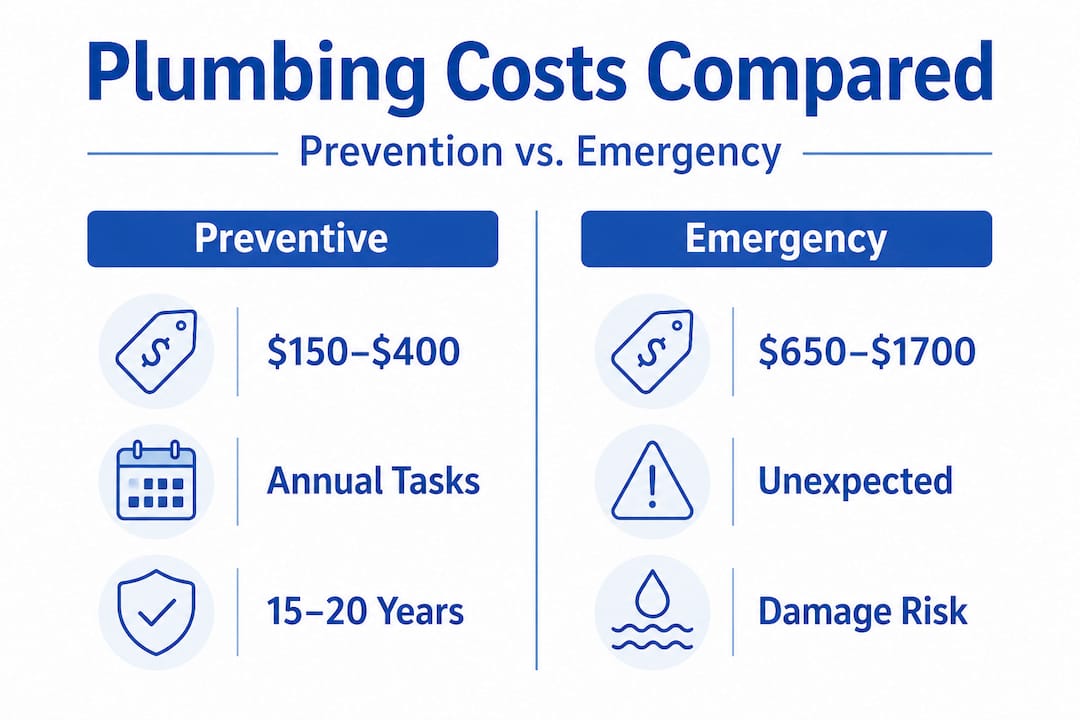
| Category | Preventive maintenance | Reactive emergency repair |
|---|---|---|
| Average cost per incident | $150 to $400 | $800 to $5,000+ |
| Disruption to occupants | Minimal, scheduled | High, unplanned |
| Insurance impact | None | Premiums rise 25 to 40% after 3 claims |
| Asset lifespan impact | Extended 15 to 20 years | Shortened by repeat stress |
| Frequency of issues | Reduced by up to 40% | Escalates without intervention |
Knowing these numbers reframes maintenance from an optional expense to a straightforward financial decision. If you want to go deeper on specific practical plumbing problem solutions for LA homes, those resources can help you connect specific symptoms to targeted fixes.
Essential tools and maintenance routines
With a clear sense of risk, it is time to equip yourself for prevention and routine maintenance. Having the right tools on hand means you can address minor issues before they compound, and establishing a regular maintenance schedule means fewer surprises throughout the year.
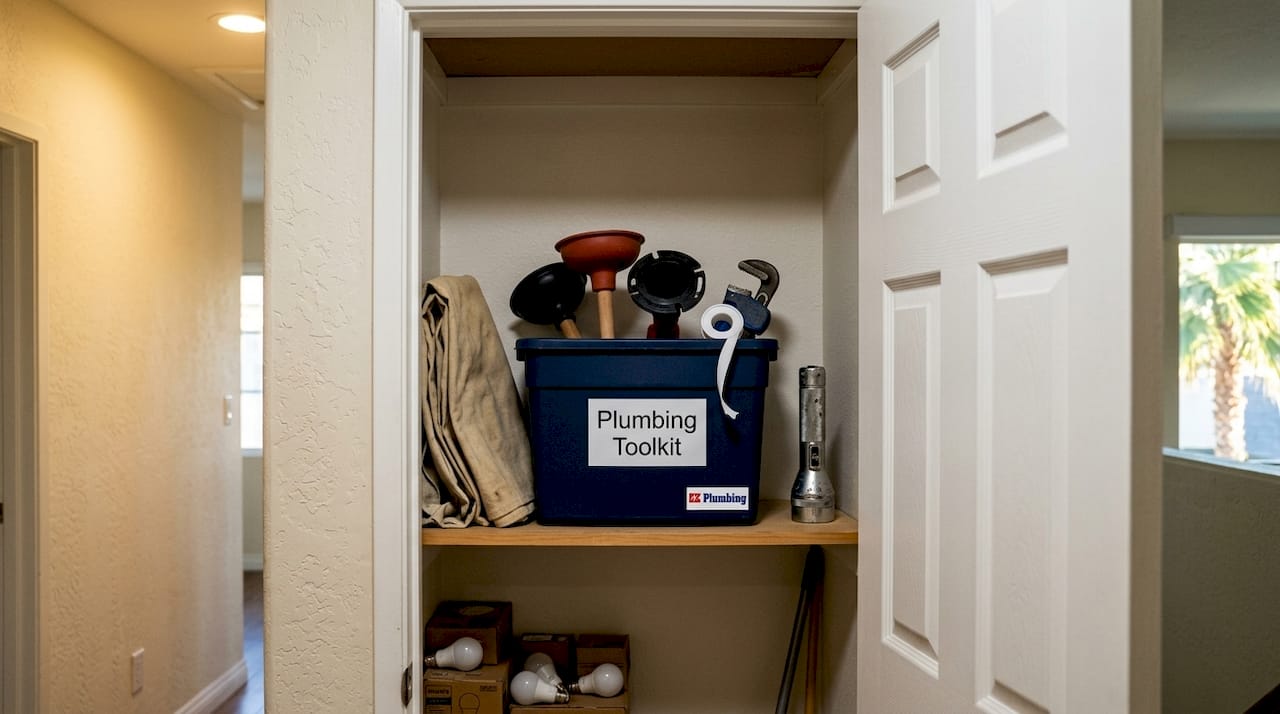
Every homeowner or property manager should keep a basic plumbing toolkit accessible. A quality cup plunger and a flange plunger handle the majority of toilet and sink clogs without the need for chemical intervention. A pipe wrench and adjustable channel-lock pliers let you tighten compression fittings and shut off valves when a small drip appears under a sink. Enzyme-based drain cleaners, which use naturally occurring bacteria to digest organic buildup rather than dissolving pipe interiors with harsh acids, are worth stocking as a monthly preventive treatment. Fixture plugs, which are inexpensive rubber or plastic inserts designed to block drain openings during flood events or sewer surges, round out a practical starting kit.
Structured preventive maintenance cuts complaints by 40% and extends plumbing assets by 15 to 20 years, which makes establishing a consistent routine one of the highest-return actions you can take as a property owner. The routine does not need to be elaborate. Monthly tasks include pouring enzyme cleaner down all drains, checking under sinks for moisture or staining, and testing that all fixture shut-off valves turn freely. Quarterly tasks include inspecting washing machine hose connections, testing the pressure relief valve on your water heater, flushing a few gallons from the tank to remove sediment, and running water through infrequently used fixtures to prevent trap seal evaporation. Annual tasks include a full camera inspection of main sewer lines and a professional drain cleaning on any line showing early signs of buildup.
Pro Tip: Choose enzyme-based drain cleaners over sodium hydroxide or sulfuric acid products for routine monthly maintenance. Chemical cleaners can erode older pipe joints and destroy the rubber gaskets inside p-traps, creating leak points that are more expensive to fix than the clog they treated.
For a structured approach to ongoing drain maintenance strategies, a well-organized schedule broken down by frequency makes it easier to stay consistent, especially for property managers overseeing multiple units. Additional plumbing help topics covering water heaters, fixtures, and supply lines can round out your routine beyond just drains.
| Maintenance task | Frequency | Estimated time | DIY or professional |
|---|---|---|---|
| Enzyme drain treatment | Monthly | 10 minutes | DIY |
| Under-sink leak inspection | Monthly | 15 minutes | DIY |
| Water heater flush | Quarterly | 30 minutes | DIY |
| Shut-off valve exercise | Quarterly | 20 minutes | DIY |
| Camera sewer inspection | Annually | 1 to 2 hours | Professional |
| Hydro jetting main line | Annually or as needed | 1 to 3 hours | Professional |
Advanced strategies for high-risk properties
For properties with recurring issues or higher risk, more advanced preventive steps come into play. Larger multi-family buildings, homes sitting above established tree root networks, and properties in older LA neighborhoods often need tools beyond a plunger and a monthly enzyme treatment.
Hydro jetting is a professional drain cleaning method that uses highly pressurized water, typically between 3,000 and 4,000 PSI, to scour the interior walls of pipes and flush out grease, scale, and root debris that mechanical snaking cannot reach. A snake punches a hole through a clog; hydro jetting removes the entire accumulation lining the pipe wall. For properties with grease-heavy kitchens in Koreatown or Boyle Heights, or aging sewer laterals in Los Feliz and Atwater Village, hydro jetting drain cleaning done annually can prevent the kind of total blockages that back sewage into ground-floor units.
Backwater valves (also called check valves) are mechanical devices installed in a sewer line that allow flow in only one direction, outward from your property. During heavy rain events when city sewer mains become overwhelmed, water and sewage can push back up through the lowest fixtures in a building. A backwater valve closes automatically when that reverse pressure occurs, protecting finished basements, ground-floor bathrooms, and laundry areas from contaminated flooding. According to plumbing maintenance strategies, hydro jetting is recommended for main line maintenance, while backwater valves are appropriate for flood-prone properties, though they require regular maintenance to remain effective, and fixture plugs offer a simpler, lower-cost alternative for occasional-use drains.
“A backwater valve that has not been inspected or cleaned in two or more years may stick in the open position, offering no protection when you need it most. Annual inspection is not optional for this device.”
Pro Tip: Schedule professional hydro jetting annually if you have experienced two or more drain blockages in the past 12 months. At that frequency, the underlying buildup has likely reached the pipe walls rather than just the drain opening, and mechanical snaking is no longer adequate to address it.
Here is a step-by-step approach for implementing advanced preventive measures on a higher-risk property:
- Commission a camera inspection to establish a baseline view of your main sewer lateral and identify any root intrusion, offset joints, or scaling that requires immediate attention.
- Schedule hydro jetting based on inspection findings, not just on a calendar, so you address the actual condition of the pipe rather than an assumed schedule.
- Have a licensed plumber evaluate whether your property is in a flood-prone area and whether a backwater valve is appropriate given your sewer lateral grade and city connection point.
- If a backwater valve is installed, add a biannual maintenance check to your calendar so the valve flapper remains free of debris and operates correctly.
- Install fixture plugs in floor drains located in basements, garages, or laundry rooms that would be vulnerable to sewer surges but do not justify full backwater valve installation.
Troubleshooting and what to do in an emergency
Even with your best efforts, issues can still arise. Knowing how to identify a developing problem and respond quickly can mean the difference between a minor repair and a major property damage claim.
Start with this troubleshooting checklist when something does not seem right:
- A single slow drain almost always indicates a localized clog in the fixture trap or branch line.
- Multiple slow drains on the same floor suggest a blockage in the main stack or sewer lateral.
- Gurgling sounds from floor drains or toilets when water drains elsewhere indicate venting problems or partial sewer line obstruction.
- Visible water staining around pipe penetrations in walls or ceilings points to a slow leak that has been active long enough to saturate framing.
- Unusually high water bills without a change in usage often indicate a hidden supply line leak or a running toilet that cycles constantly.
When a situation escalates beyond a warning sign into an active emergency, act in this order: First, locate and shut off the nearest isolation valve to the affected fixture, or shut off the main water supply if you cannot isolate the source. Second, move valuables, electronics, and documents away from the affected area to limit secondary damage. Third, take photos for insurance documentation before any cleanup begins. Fourth, contact a licensed plumber, because attempting to repair burst pipes, sewage backups, or active sewer line failures without professional tools risks making the damage worse.
The cost difference between reactive and emergency repairs compared to scheduled maintenance is significant, which is why escalating to a professional quickly, rather than attempting extended DIY repair on a serious failure, is the financially sound choice. Knowing how to handle plumbing emergencies before one occurs means you respond with confidence instead of panic. For a step-by-step breakdown of how to manage plumbing repairs in Los Angeles from start to finish, that resource covers contractor selection, permitting, and inspection requirements specific to the city.
Why preventive plumbing is often misunderstood
Having covered the best practices, it is worth addressing why so many property owners still skip these steps, even when the financial case is so clear.
The most common reason is the absence of immediate pain. A slow drain does not stop your day the way a burst pipe does. A little corrosion on a valve does not feel like an emergency. So maintenance gets pushed to next month, then next quarter, then indefinitely. By the time the problem announces itself, the simple fix that existed six months ago is gone.
There is also a persistent myth that preventive maintenance is just as expensive as reacting to problems as they occur. That is simply not accurate. Structured preventive maintenance reduces complaints by 40% and extends the functional life of plumbing assets by 15 to 20 years. When you spread those numbers across a rental property with eight units, the math becomes compelling very quickly. One avoided sewer backup typically covers two to three years of annual inspections and hydro jetting combined.
What experience teaches us is that the homeowners and property managers who invest in annual camera inspections and professional drain cleaning almost never face the catastrophic failures we see in reactive-only situations. The ones who call us at midnight with a flooded ground floor unit almost universally say the same thing: they noticed something odd months ago but assumed it would resolve on its own. Reviewing homeowner plumbing tips regularly keeps those warning signs fresh in your mind so you recognize them before they escalate.
Prevention is not glamorous. It does not feel satisfying the way a visible repair does. But it is the single most cost-effective action a property owner in Los Angeles can take.
Next steps: professional help and resources
If you want to take these preventive steps further, here are professional services and resources to support you.
EZ Plumbing (C-36 License #583868) serves homeowners and property managers across the greater Los Angeles area with the full range of services that make a preventive maintenance program work at every level.
Our drain cleaning services cover everything from routine maintenance cleaning to full hydro jetting on commercial and multi-family main lines, using camera inspection before and after to document results. If you suspect a hidden leak, our leak detection services use acoustic and pressure-based technology to locate supply line leaks without destructive exploratory cutting. For a thorough reference on keeping your drains clear through every season, our full drain maintenance guide walks you through frequency, methods, and when to call a professional. We are fully licensed, insured, and code-compliant with LA municipal requirements, so every service we perform is documented and ready for inspection.
Frequently asked questions
How often should I schedule preventive plumbing maintenance?
For most homes, an annual inspection and professional cleaning is the right baseline, with additional attention scheduled after large storms or seismic events. Structured preventive maintenance is consistently shown to reduce complaints and extend the useful life of plumbing systems.
Are chemical drain cleaners safe for regular use?
Enzyme-based cleaners are the preferred choice for routine monthly maintenance because they digest organic material without damaging pipe walls or gaskets. Plumbing maintenance guidance favors enzyme options over harsh chemicals for long-term pipe health.
Do backwater valves totally prevent flooding?
Backwater valves significantly reduce flood risk from sewer surges, but they require regular maintenance to stay functional; fixture plugs offer a simpler, lower-cost alternative for drains that do not see daily use.
What should I do first if I notice a leak?
Shut off the main water supply or the nearest isolation valve immediately, then call a licensed plumber. Plumbing emergencies cost significantly more than scheduled repairs, so fast action limits both water damage and total repair expense.
Recommended
- Handle your Los Angeles plumbing emergency with confidence
- Manage plumbing repairs in Los Angeles: step-by-step guide
- Solve common plumbing problems: practical tips for LA homes
- Drain maintenance guide: prevent costly plumbing issues at home
- Master the emergency drain clearing process for your property