
Burst Pipe: What to Do in the First Hour to Limit Damage
Shut off your home’s main water supply immediately. That single action stops the flooding at its source and buys you time for everything else. Once the water is off, run through this short checklist before you do anything else.
- Locate your main shutoff valve (usually near the water meter, in the garage, or where the supply line enters the house) and turn it fully clockwise.
- If water is anywhere near outlets, switches, or a panel, cut power to that area at the breaker, or call your utility if the panel itself is wet.
- Contain what’s already on the floor with towels or a wet-dry vac, then call a licensed plumber and a restoration company at the same time.
Pro Tip: Keep a photo of your labeled shutoff valve on your phone. In a flooding home, minutes matter, and you won’t be searching a dark garage for the right handle.
Key Takeaways
Shutting off the main water supply within the first minute, followed by simultaneous calls to a licensed plumber and a restoration company, determines how much of a burst pipe emergency turns into lasting structural damage.
| Point | Details |
|---|---|
| Shut off water first | Close the main valve or meter shutoff before anything else to stop active flooding. |
| Check electrical safety | Cut power to wet zones only if you can reach the breaker without stepping in water. |
| Document before cleanup | Photograph the leak, water lines, and damage, and keep the failed pipe piece for your claim. |
| Drying takes 5 to 7 days | Professional structural drying with air movers and dehumidifiers prevents hidden mold behind walls. |
| Call EZ Plumbing early | Licensed, insured emergency response handles the temporary stop and the code-compliant permanent repair. |
Table of Contents
- Burst Pipe What to Do: Step-by-Step Emergency Actions
- Temporary Repairs and Safety Rules You Shouldn’t Skip
- Who to Call and When
- Documenting Damage for Your Insurance Claim
- Cleanup and the Drying Timeline That Prevents Mold
- Preventing the Next Burst Pipe
- What a Licensed Plumber Notices That Homeowners Miss
- Why the Insurance Piece Gets Ignored Until It’s Too Late
- Get Emergency Help From a Licensed Local Plumber
- Sources
Burst Pipe What to Do: Step-by-Step Emergency Actions
The first 30 minutes decide how much of your home you’re repairing versus replacing. Work through these steps in order.
- Shut off the main valve. If your house has one near the water heater or where the line enters from the street, close it fully. Emergency-response guides recommend knowing your meter shutoff as a backup, since some older LA homes have valves that seize up or won’t close all the way.
- If the house valve fails, use the meter shutoff. This is usually at the curb, under a metal or concrete lid. A meter key or large pair of pliers works if you don’t have the specialized tool.
- Open faucets at the highest and lowest points in the house. This drains residual pressure in the pipes and empties water that would otherwise keep leaking out of the break. Flush toilets once for the same reason.
- Cut power to any wet zone. If reaching the breaker means stepping through standing water, don’t do it. Call your utility or an electrician instead, since water near electrical components creates a shock hazard that outweighs the plumbing emergency.
- Watch the ceiling. A sagging or bulging patch means water has pooled above the drywall. Move furniture and electronics out from underneath, place a bucket beneath the bulge, and if you can safely reach it, puncture the center with a screwdriver to release the water in a controlled way rather than letting the ceiling collapse.
- Leave the home if you smell gas, see sparking, or the flooding is rising fast enough to threaten exits. Call your utility company from outside before re-entering.
Once the water is off and the immediate area is safe, you’ve bought yourself the time to make calls and start containment.
Temporary Repairs and Safety Rules You Shouldn’t Skip
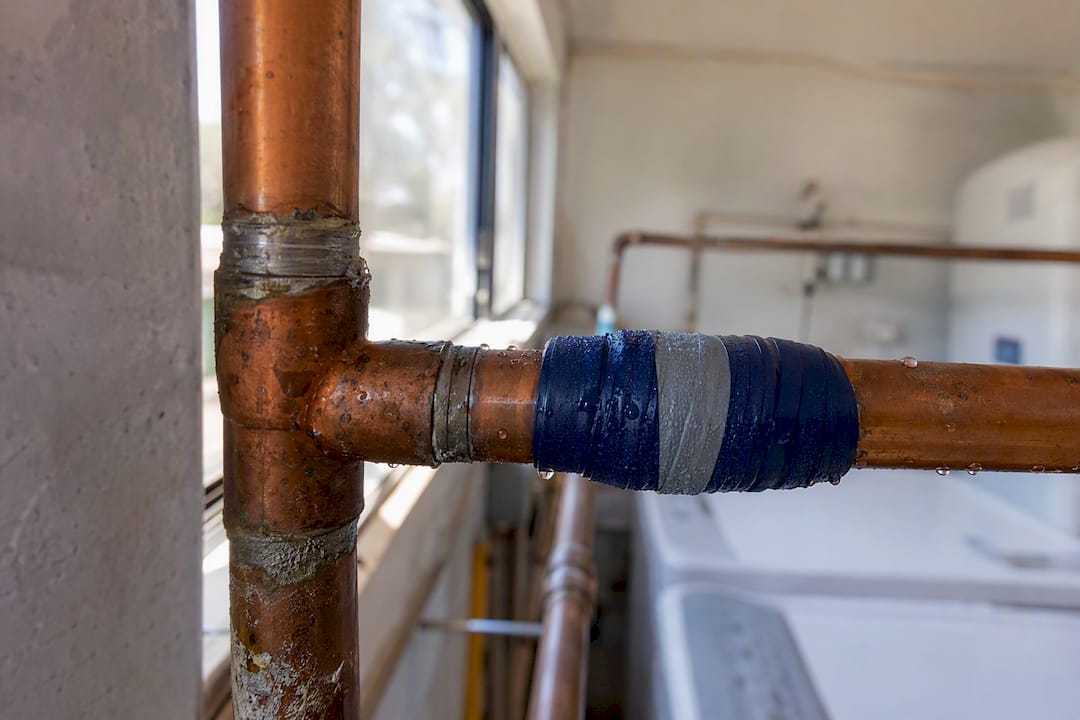
A few tools can slow a leak until a plumber arrives, but none of them are a real repair.
- A repair clamp (a rubber sleeve with a metal band) works on a straight section of accessible pipe with a small split. Wrap the rubber over the crack and tighten the clamp evenly.
- Self-fusing silicone tape stretches and bonds to itself, sealing pinhole leaks or hairline cracks on visible pipe. It buys hours, not days.
- Push-fit couplings can replace a cut section of accessible copper or PEX pipe, but they’re not rated for use inside a wall or at a fitting joint you can’t inspect. Family Handyman treats these as bridge fixes, not lasting solutions.
Pro Tip: If the break is behind a wall, under a slab, or anywhere you’d need to cut into the structure to reach it, stop. That’s a job for a licensed plumber, and opening the wall yourself can turn a repair into a bigger insurance headache.
Never work near a wet electrical panel, and never attempt an interior-wall repair you can’t see clearly. If you can’t reach the pipe safely, contain the water and wait.
Who to Call and When
Get the plumber and the restoration company on the phone at nearly the same time. Homeowners who delay one call to finish the other often end up with more drywall to replace.
- Call a licensed emergency plumber first, and be ready to tell them the location of the break, whether you’ve shut off the main water, and what’s visibly damaged.
- Call a water-damage restoration company within the same hour. Professional structural drying prevents hidden mold from taking hold behind walls and under flooring, and starting that clock early matters.
- Call an electrician or your utility if water reached a panel, outlet, or any hardwired fixture.
- Loop in your insurer once the immediate crisis is handled, not before, so you’re not on hold with an adjuster while water is still spreading.
Coordinating all three at once, rather than one after another, is what actually reduces total loss on a burst-pipe claim.
Documenting Damage for Your Insurance Claim
Grab your phone before you start mopping. Insurers weigh documentation heavily when deciding how much of the loss they’ll cover.
- Photograph everything first: the active leak if it’s still visible, the water line on walls and floors, and every affected room.
- Keep the failed pipe section and any receipts for temporary materials, hotel stays, or cleanup supplies.
- Timestamp your photos using your phone’s default camera settings so the date is embedded automatically.
Homeowners insurance typically covers water damage from a sudden, accidental burst pipe, but it usually excludes the cost of repairing the pipe itself, and claims tied to neglect (like an unwinterized pipe in a vacant home) get denied more often. Repair and remediation costs vary widely depending on the extent of the damage, ranging anywhere from a few hundred dollars to tens of thousands, so ask your adjuster early whether your policy includes loss-of-use coverage if you need to leave the home during repairs.
Cleanup and the Drying Timeline That Prevents Mold
Start pulling standing water the moment it’s safe. Towels, a mop, and a wet-dry vac handle the bulk of it, but move fast, since mold can begin developing well within the first couple of days after water intrusion.
- Extract visible water first, working from the wettest areas outward so you’re not spreading contaminated water into dry rooms.
- Once the surface water is gone, the real work starts behind the walls. Restoration crews typically run air movers and dehumidifiers for five to seven days to fully dry framing, subfloor, and insulation that look dry on the surface but aren’t.
- Drywall and insulation often have to come out, not just dry in place, if they stayed wet more than a day or two. Trapped moisture inside wall cavities is one of the most common causes of hidden mold growth that homeowners don’t discover until months later.
- A moisture meter tells a restoration tech what your eyes can’t. If a wall still reads wet after a week of drying, that’s the sign you need a mold specialist, not just a plumber.
Preventing the Next Burst Pipe
Most burst pipes trace back to freezing, age, or pressure nobody was monitoring. A little prevention now is far cheaper than another emergency call.
- Insulate exposed pipes in garages, crawl spaces, and exterior walls, and open cabinet doors under sinks during cold snaps so household heat reaches the plumbing.
- Keep your thermostat no lower than 55°F if you’re leaving home for more than a day, even in Southern California’s milder cold spells.
- Install a water-detection sensor near vulnerable fittings, and ask your plumber about a smart shutoff valve that closes automatically when it senses a leak.
- Replace old gate valves that won’t close fully, and have a licensed plumber inspect supply lines every couple of years, especially in homes built before the 1990s.
A prevention plan built around insulation, detection, and a working shutoff does more to protect your home than any emergency reaction ever will. Make sure every adult in the house knows where that shutoff is and how to operate it.
What a Licensed Plumber Notices That Homeowners Miss
EZ Plumbing operates under California C-36 License #583868, serving homeowners across the greater Los Angeles area with licensed, insured emergency response.
- Have photos of the break, your shutoff status, and access notes (locked gate, pets, parking) ready before the plumber arrives.
- A permit-compliant repair avoids the code violations that cause repeat failures at the same joint.
- Emergency dispatch works faster when you can describe the leak’s location precisely on the phone.
Why the Insurance Piece Gets Ignored Until It’s Too Late
Most burst-pipe advice online focuses entirely on the plumbing and treats insurance as an afterthought. That’s backward. The research is consistent: adjusters look for signs of neglect before they approve a claim, and homeowners who start photographing damage only after cleanup has begun often weaken their own case without realizing it.
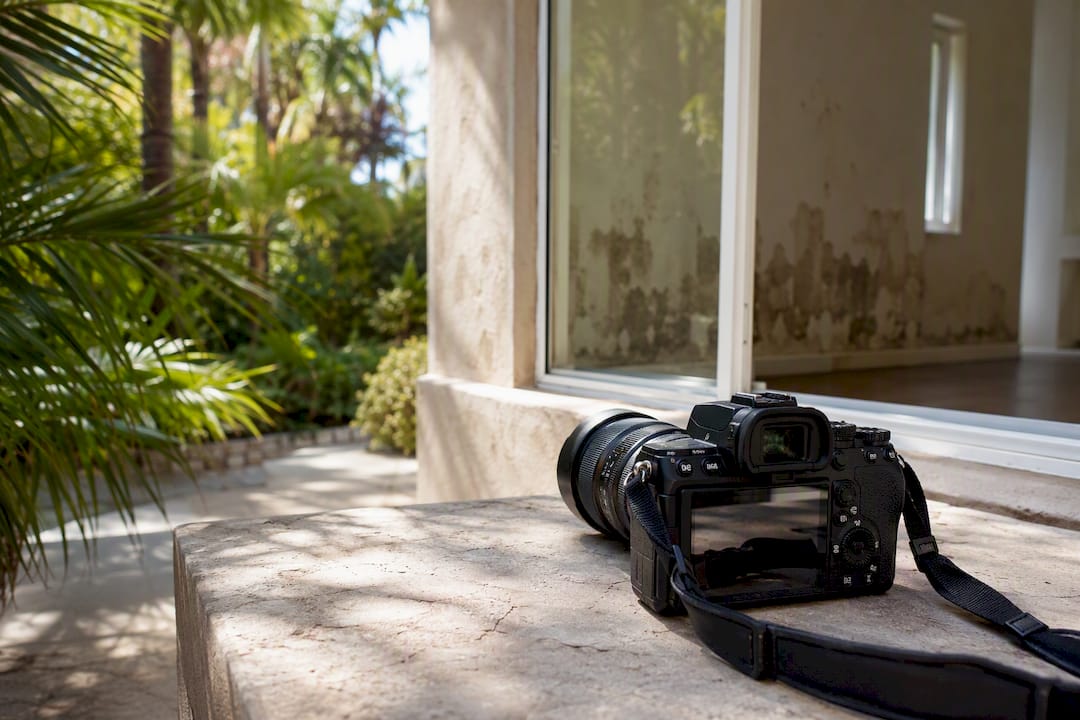
The conventional wisdom, “call a plumber, then deal with insurance later,” also undersells how much the restoration timeline matters. A five to seven day drying window isn’t optional paperwork. Skip it, and hidden moisture behind drywall becomes a mold problem that costs far more than the original repair.
If we had to rank priorities for a homeowner standing in an inch of water, it’s this order: stop the water, protect people from electrical risk, then document before you touch anything else. Everything downstream, insurance claims, mold prevention, permanent repairs, depends on getting those three right in the first half hour.
— EZ
Get Emergency Help From a Licensed Local Plumber
EZ Plumbing gives Los Angeles homeowners something a generic handyman search can’t: a licensed, insured crew that answers around the clock and shows up knowing exactly what a burst pipe emergency requires, not just how to patch it. Every dispatch technician carries the tools for both the emergency stop and the permanent fix, so you’re not scheduling a second visit once the drywall’s open.

On the first call, expect the technician to confirm your shutoff is fully closed, assess the break, and either complete a same-visit repair or install a temporary fix while sourcing parts for code-compliant permanent work. If your home needs a full burst pipe repair, that visit also covers the documentation you’ll want for your insurer. Call EZ Plumbing now, or visit the burst pipe repair page to check availability in your area.