
Office Plumbing Maintenance Workflow: 2026 Guide for Facility Managers
A well-structured office plumbing maintenance workflow is the difference between a building that runs quietly in the background and one that generates emergency calls at 6 AM. At its core, this workflow combines scheduled inspections, documented repairs, and digital work order management to keep every fixture, drain, valve, and water heater performing reliably year-round.
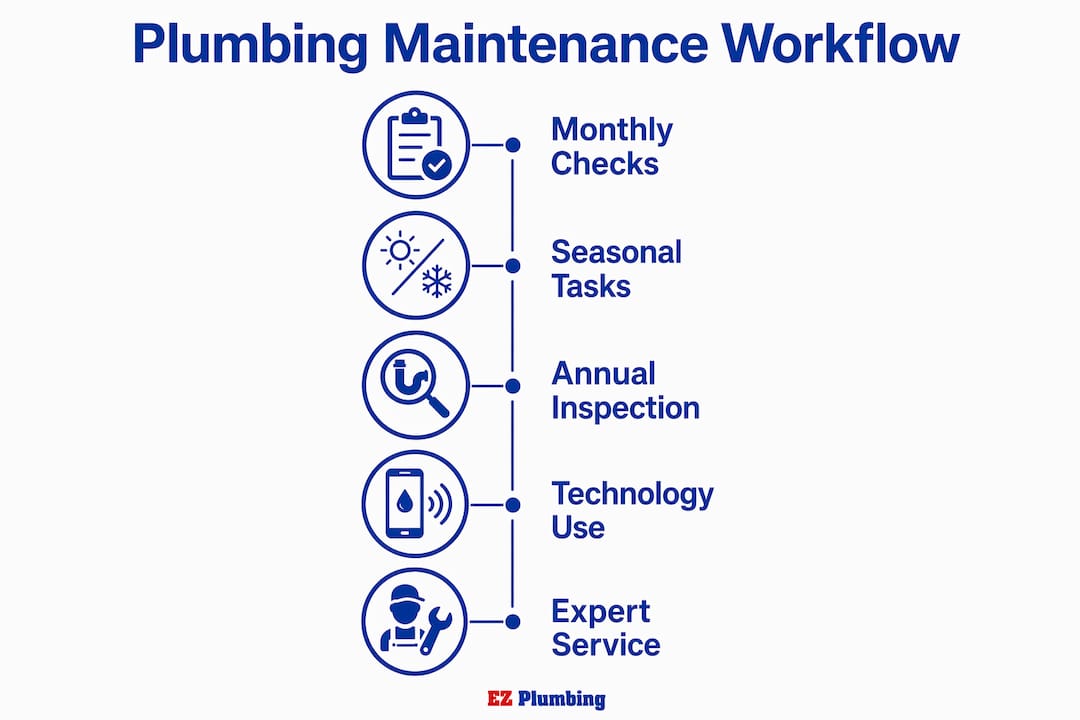
The most effective commercial plumbing checklist organizes tasks into three tiers:
- Monthly: Leak inspections under sinks and around toilets, floor drain flushing, shutoff valve testing, and water pressure checks
- Seasonal: Winterizing exposed pipes, testing sump pumps in spring, inspecting outdoor fixtures after winter, and flushing water heaters before peak demand
- Annual: Full sewer camera inspections, backflow preventer certification, water heater anode rod replacement, and complete documentation updates
- Emergency response: Clearly posted shutoff valve locations, staff protocols for pipe failures, and a direct line to a licensed commercial plumber
- Documentation: Timestamped inspection logs, photo records linked to specific assets, and digital work orders that connect findings to follow-up repairs
Tying all of this together with a Computerized Maintenance Management System (CMMS) shifts your role from crisis responder to proactive planner. Every section below gives you the specific tasks, timing, and tools to build that system from the ground up.
Table of Contents
- 1. How to structure your monthly and seasonal plumbing maintenance
- 2. What your annual plumbing inspection should cover
- 3. What skipping routine maintenance actually costs you
- 4. How technology improves your plumbing maintenance workflow
- 5. Ez-plumbing’s commercial plumbing expertise for Los Angeles facilities
- Ez-plumbing keeps your commercial plumbing running year-round
- Key Takeaways
1. How to structure your monthly and seasonal plumbing maintenance
Monthly and seasonal tasks form the backbone of any preventive plumbing maintenance program. Skipping them is where most facility managers get into trouble, because the problems that cause the most damage rarely announce themselves.
Monthly tasks
Run through these checks every month without exception:
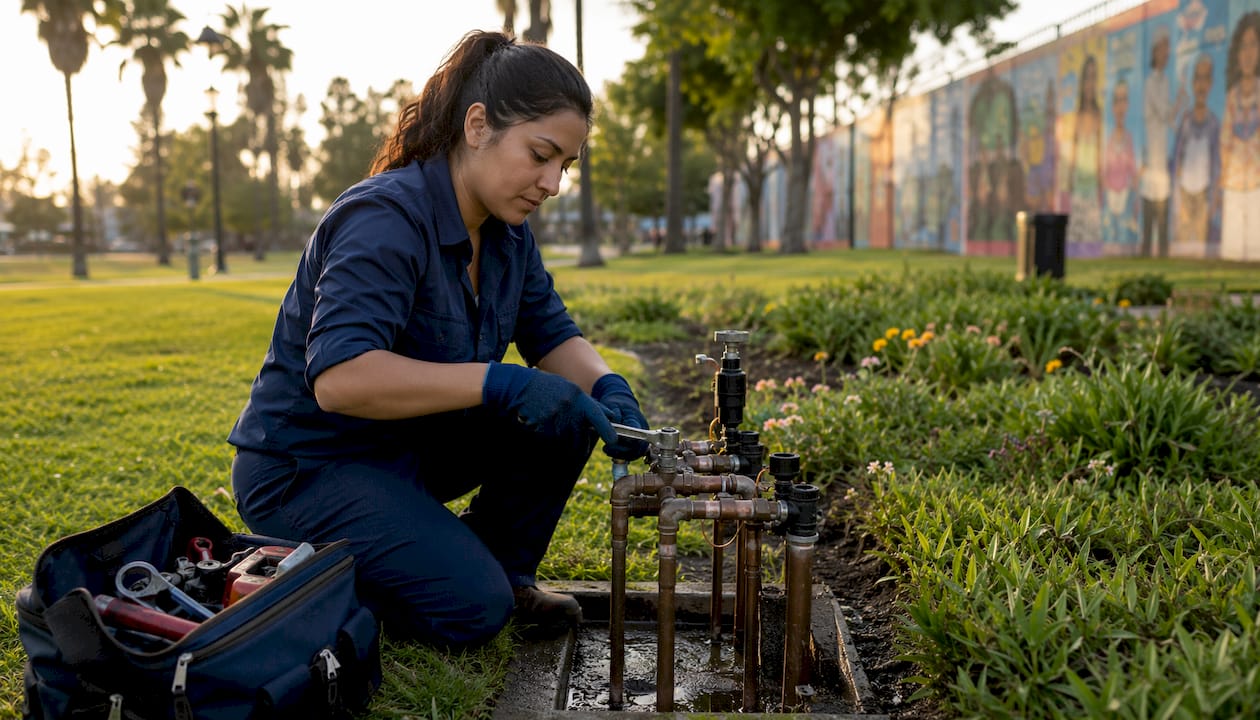
- Inspect for leaks under every sink, around toilet bases, and along any exposed pipe runs. A slow drip under a breakroom sink can saturate a cabinet floor and feed mold for weeks before anyone notices.
- Flush floor drains and add a small amount of water to maintain the trap seal. Floor drain traps require monthly flushing to prevent sewer gas from entering occupied spaces, a step that gets missed more often than almost any other.
- Test shutoff valves under sinks and near toilets. A valve that has not been exercised in two years may seize when you actually need it.
- Check water pressure at multiple points in the building. Inconsistent readings between floors often point to a failing pressure regulator or a developing blockage in the supply line.
- Inspect toilet flappers for continuous running. A worn flapper wastes water steadily and adds up on your utility bill faster than most leaks.
- Clear faucet aerators in restrooms and break rooms. Calcium and sediment buildup reduces flow and signals harder water conditions that may be affecting your water heater as well.
Seasonal tasks
Seasonal checks address the conditions your building faces as weather changes. Group them by quarter for easier scheduling:
Spring: Inspect outdoor faucets and irrigation connections for cracks caused by winter freezing. Clean the sump pit and test the pump before spring rains arrive. Check pipes in garages, basements, and unheated mechanical rooms for any freeze damage that went undetected.
Summer: Handle increased water usage by inspecting irrigation systems and testing emergency eyewash stations. This is also the right time to schedule a plumbing inspection before fall demand picks up.
Fall: Flush and inspect commercial water heaters before winter increases demand. Examine older pipes and fittings for corrosion, particularly galvanized lines that may be approaching the end of their service life. Disconnect and drain outdoor hose connections.
Winter: Let restroom faucets drip during extreme cold to keep water moving in vulnerable lines. Open cabinet doors under sinks in unheated areas to allow warm air to circulate around supply pipes. Confirm that all staff know where the main shutoff valve is located.
Pro Tip: Post a laminated shutoff valve map in every mechanical room and near the main electrical panel. When a pipe fails at 7 AM, the person who finds it is rarely the one who knows where the shutoff is.
2. What your annual plumbing inspection should cover
Annual inspections go deeper than monthly walkthroughs. This is where you catch the problems that develop slowly over twelve months and where you update the documentation that protects you during regulatory audits and insurance claims.
A thorough yearly office plumbing inspection covers:
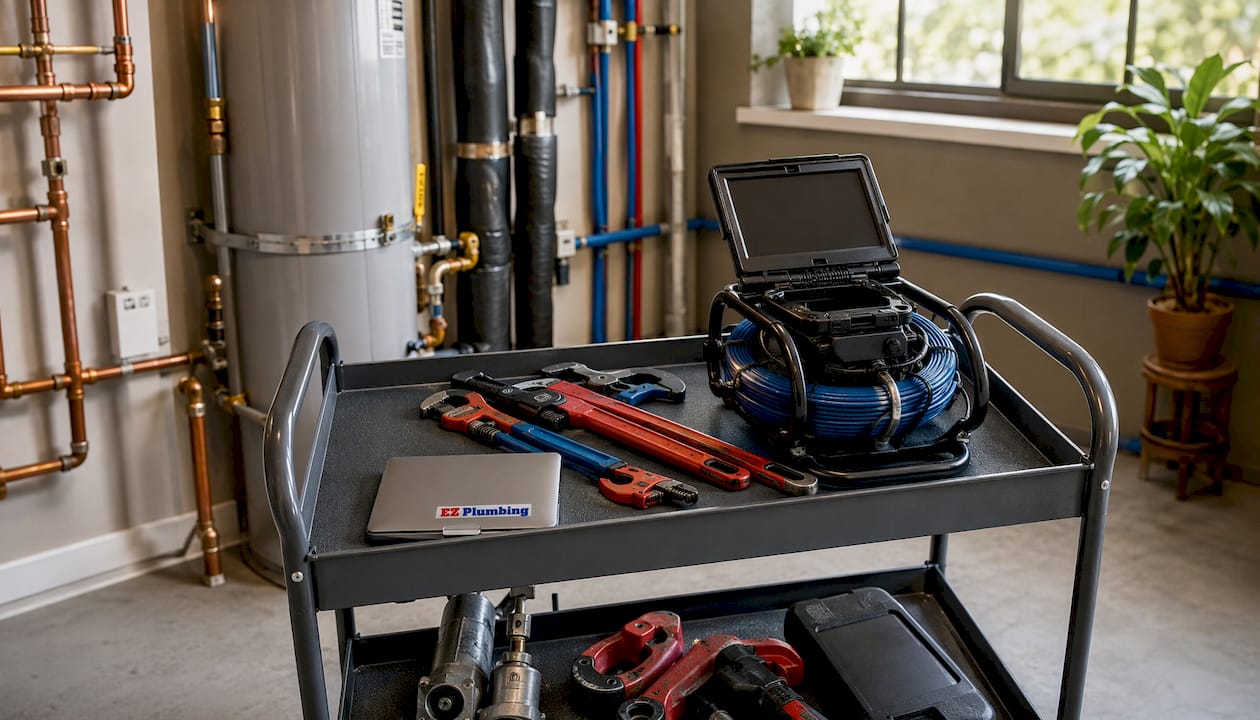
- Full sewer camera inspection of main drain lines to identify root intrusion, pipe offset, or buildup that slow drains alone would not reveal. Slow drains appearing across multiple fixtures in the same zone warrant camera work before you assume a simple blockage.
- Backflow preventer testing and certification. Annual backflow testing is a code requirement under International Plumbing Code Section 312.10.2. A failed backflow device is not just a plumbing issue. It is a public health concern that can trigger fines and facility shutdowns.
- Water heater service: flush sediment, inspect the anode rod for corrosion, test the pressure relief valve, and verify temperature set points. Replacing a worn anode rod extends the heater’s lifespan considerably and costs a fraction of a premature replacement.
- Pressure gauge verification across the system. High pressure puts excess stress on fixtures and supply lines; low pressure may indicate a developing leak or a failing regulator.
- Isolation and shutoff valve exercise to confirm every valve opens and closes fully. Seized valves get replaced immediately, not added to a deferred list.
- Documentation update: revise your plumbing map to reflect any changes from construction or repairs, and update maintenance logs in your facility management system. An outdated map creates real problems during emergencies.
- Capital replacement review for aging fixtures. When the same fixture appears in the deficiency record across two consecutive annual inspections, that is the signal to schedule replacement rather than another repair.
Digital logs linked to individual assets support insurance claims, regulatory compliance, and defense against liability in ways that paper records simply cannot match.
3. What skipping routine maintenance actually costs you
The financial case for preventive plumbing maintenance is straightforward. Businesses that implement proactive plumbing services save 12–18% on repair costs compared to those that only address problems after failures occur. That figure does not include avoided downtime, water damage remediation, or mold remediation costs.
Undetected micro-leaks compound the problem quietly. A single undetected pipe leak in a commercial building wastes approximately 10,000 gallons of water per year, driving up utility costs while causing hidden structural damage. By the time water stains appear on a ceiling, the damage behind the drywall is already weeks old.
Emergency repairs carry a premium that routine maintenance avoids entirely. A leaky faucet caught during a monthly inspection might cost $50 to fix. That same leak, ignored for months, can cause water damage requiring thousands in remediation, plus the cost of emergency labor rates. Burst pipes add another layer: water damage restoration, potential mold remediation, and repairs to flooring, walls, and equipment all follow a single failure.
Predictable budgeting is the less-discussed benefit. With a commercial plumbing maintenance schedule in place, you know when inspections happen, what they cost, and what follow-up work is likely. That predictability makes annual facility budgets far more accurate than the reactive model, where a single pipe failure can blow a quarter’s maintenance budget in one week.
The risks extend beyond cost. Water damage creates mold conditions that trigger OSHA concerns and can force temporary facility closure. Backflow device failures expose occupants to contaminated water and generate regulatory citations. These are not theoretical risks. They are the documented outcomes of deferred maintenance in commercial buildings across the country.
4. How technology improves your plumbing maintenance workflow
A CMMS turns a paper-based maintenance program into a living system. Instead of relying on technicians to remember what was checked last quarter, the software generates work orders automatically, assigns them to qualified staff, and tracks completion in real time. Inspection records can be retrieved in under 60 seconds during audits, which matters when a regulator or insurer asks for documentation on short notice.
The practical benefits for facility managers managing multiple buildings are significant:
- Automated scheduling tied to asset records means no inspection falls through the cracks because someone forgot to update a spreadsheet.
- GPS-tagged, timestamped photos attached to each inspection record create an audit trail that paper checklists cannot replicate. When a client or insurer disputes whether a leak was present during your last visit, a timestamped photograph is the definitive answer.
- Mobile-first work orders let technicians document findings, flag deficiencies, and generate repair quotes in the field rather than back at the office.
- Consumption trend monitoring through sub-meter readings flags anomalous spikes in water use before they appear as visible damage, giving you a chance to investigate before a micro-leak becomes a major repair.
- Portfolio-level oversight lets managers view PM compliance rates, open corrective actions, and upcoming certification due dates across all properties from a single dashboard.
Sensor-based leak detection technology adds a real-time layer on top of scheduled inspections. Sensors placed in mechanical rooms, under sinks in high-risk areas, and near water heaters provide immediate alerts when moisture is detected, catching failures between inspection cycles.
Pro Tip: When evaluating CMMS platforms, prioritize those that connect inspection findings directly to your quoting workflow. A technician who marks an asset as failed should be able to generate a repair quote before leaving the site, not after returning to the office.
The shift that technology enables is from reactive crisis management to treating your plumbing system as an integrated asset portfolio, where supply lines, drains, and water heaters are all tracked, scheduled, and documented in one place. That is the standard that well-run commercial facilities are moving toward in 2026.
5. Ez-plumbing’s commercial plumbing expertise for Los Angeles facilities
Ez-plumbing holds a C-36 Contractor License (#583868) and operates fully in compliance with Los Angeles municipal plumbing codes. For facility managers in the greater LA area, that licensing matters because LA’s aging infrastructure, including clay sewer laterals and galvanized supply lines in older commercial buildings, requires contractors who understand local conditions, not just general plumbing principles.
Ez-plumbing’s commercial services cover the full scope of what a structured maintenance workflow demands:
- Routine commercial plumbing inspections and preventive maintenance programs
- Water heater installation and annual service, including sediment flushing, anode rod inspection, and pressure relief valve testing
- Drain cleaning and hydro-jetting for sewer lines serving multi-story office buildings
- Sewer line repair and camera inspection for root intrusion and pipe offset
- Leak detection using advanced sensor technology for hidden micro-leaks in walls and ceilings
- Emergency plumbing response for pipe failures, backflow events, and fixture failures
- Fixture installation and replacement for aging or high-traffic restroom components
Preventive maintenance means performing work before failures occur. A pipe that bursts at 2 AM on a commercial property almost always showed warning signs weeks earlier: a slow drain, a soft spot in the wall, a pressure reading that nobody documented. The facility managers who avoid those emergencies are the ones running consistent inspection cycles with a licensed contractor who connects findings to follow-up work.
Ez-plumbing brings that approach to every commercial account, with digital documentation, licensed technicians, and the local knowledge that Los Angeles plumbing systems specifically require.
Ez-plumbing keeps your commercial plumbing running year-round
Facility managers in Los Angeles need more than a generic maintenance vendor. They need a licensed contractor who understands the specific demands of LA commercial buildings, from aging sewer laterals to high-use restroom fixtures in multi-tenant offices.
Ez-plumbing (C-36 License #583868) provides commercial plumbing inspections, water heater services, drain cleaning, sewer line repair, and emergency response across the greater Los Angeles area. Every service is fully insured and code-compliant with LA municipal requirements. Whether you need a one-time annual inspection or an ongoing preventive maintenance program, Ez-plumbing’s licensed technicians document every finding, flag every deficiency, and connect each inspection to the follow-up work your building actually needs. Contact Ez-plumbing today to schedule a commercial plumbing assessment for your facility.
Key Takeaways
A structured office plumbing maintenance workflow combining monthly checks, seasonal preparation, annual inspections, and digital documentation reduces emergency repairs and keeps commercial plumbing systems compliant and cost-efficient.
| Point | Details |
|---|---|
| Monthly tasks prevent the worst failures | Flush floor drains, test shutoff valves, check pressure, and inspect for leaks every month without exception. |
| Preventive maintenance saves a noticeable portion on repairs | Facilities using proactive plumbing programs spend less than those responding only after failures occur. |
| Micro-leaks waste a significant amount of water each month | Sensor-based leak detection catches hidden losses between scheduled inspection cycles. |
| Annual inspections must include backflow certification | IPC Section 312.10.2 requires annual backflow preventer testing; digital records make compliance audit-ready. |
| Ez-plumbing serves LA commercial facilities | Licensed (C-36 #583868) and code-compliant, Ez-plumbing provides inspections, water heater service, drain cleaning, and emergency response. |