
Why Clearing Blocked Drains Prevents Costly Damage
A slow drain might seem like a minor annoyance you can deal with later, but that small delay can turn into a flooded bathroom, a mold-covered wall, or a plumbing emergency at 2 a.m. on a holiday weekend. Ignoring a blocked drain can escalate to sewage backup or burst pipes, leading to water damage, mold, and serious health risks. This guide explains the real consequences of blocked drains for Los Angeles homeowners and property managers, covers your legal obligations under local law, and walks you through what professional drain clearing actually looks like so you can make informed decisions before a small clog becomes a major crisis.
Table of Contents
- The hidden risks of blocked drains
- Los Angeles rental laws: Why clear drains matter
- How professionals clear blocked drains
- Home remedies vs expert solutions: What actually works?
- Our take: Preventive maintenance beats emergencies every time
- Trust the pros for drain cleaning and repairs
- Frequently asked questions
Key Takeaways
| Point | Details |
|---|---|
| Address clogs promptly | Quick action prevents costly water, mold, and property damage. |
| Stay legally compliant | LA laws require drains in good condition to avoid fines and tenant complaints. |
| Trust professional solutions | Experts use safe, effective methods and tools to clear drains and protect your home. |
| Avoid risky DIY fixes | Chemical cleaners can damage pipes and worsen issues—use expert help for lasting results. |
The hidden risks of blocked drains
Most people picture a blocked drain as a standing puddle in the shower or a sink that empties slowly. The actual risk runs much deeper, and understanding it changes how you respond to early warning signs.
When a drain is partially or fully blocked, wastewater has nowhere to go except back up through the nearest fixture. That backup carries raw sewage, which contains harmful bacteria including E. coli and salmonella. Exposure to these pathogens is a genuine health concern, particularly for children, elderly residents, and anyone with a compromised immune system. The contamination does not stay contained to the drain itself. It spreads to surrounding surfaces, grout lines, and subfloor materials, making cleanup far more involved than a simple mop-down.
Water that escapes from a burst pipe or overflow point saturates drywall, wood framing, and insulation. Within 24 to 48 hours, that moisture creates ideal conditions for mold growth. Mold spores released into the air cause respiratory irritation, allergic reactions, and in cases of prolonged exposure, more serious lung conditions. Remediation for mold in a wall cavity or beneath flooring is expensive and disruptive, often requiring the removal of building materials and temporary relocation of occupants.
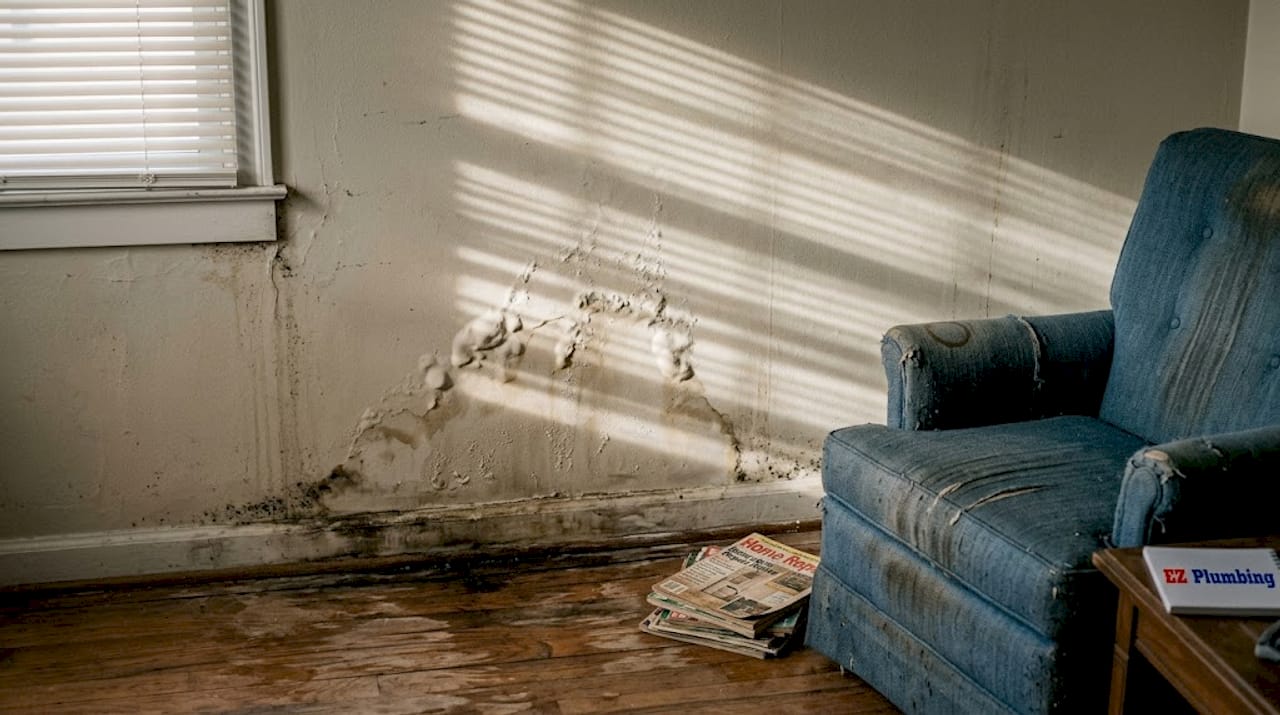
Beyond the health angle, the structural damage compounds quickly. Water that reaches subfloor materials weakens the structural integrity of the floor system. In older Los Angeles homes with wood framing, this can mean warped floors, damaged joists, and costly repairs that go far beyond what a straightforward drain clearing would have cost. Following home drain care tips early in the process is always more cost-effective than waiting for visible damage to appear.
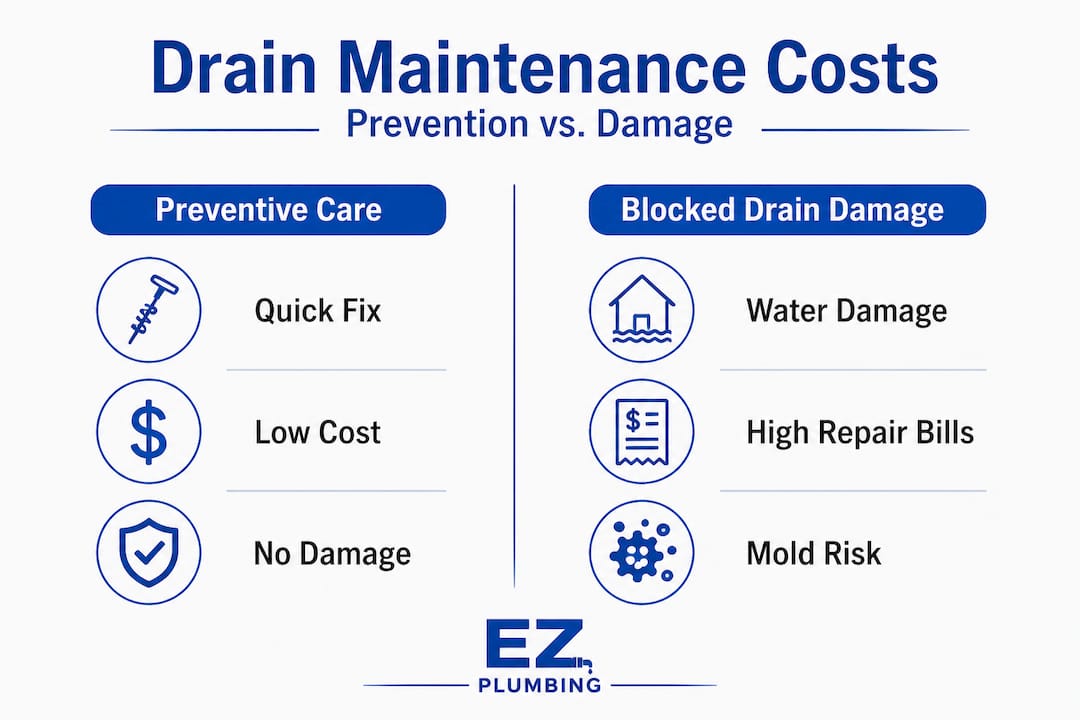
The financial picture is stark. A professional drain cleaning typically costs a fraction of what water damage remediation, mold removal, and structural repair combined will run. What starts as a $150 to $300 service call can, if ignored, turn into a $5,000 to $15,000 repair project depending on the extent of the damage. That gap is why early intervention is not just good practice but genuinely the smarter financial decision.
Now that we see how serious blocked drains can become, let’s look at the specific legal stakes in Los Angeles.
Los Angeles rental laws: Why clear drains matter
If you own or manage rental property in Los Angeles, blocked drains are not just a maintenance issue. They are a legal liability. The Los Angeles County Department of Public Health is clear that clogged or overflowing fixtures and sewage discharge are treated as serious habitability violations, and sewer and drain lines must be kept in good repair.
California’s implied warranty of habitability requires landlords to maintain rental units in a livable condition. Functional plumbing is a core component of that standard. A drain that backs up sewage into a tenant’s bathroom or kitchen is not a minor deficiency. It is a condition that renders part of the unit uninhabitable, which gives tenants the legal right to withhold rent, pursue repair-and-deduct remedies, or file a complaint with local code enforcement.
| Violation type | Potential consequence | Who is affected |
|---|---|---|
| Clogged drain causing backup | Code violation notice | Landlord |
| Sewage discharge in unit | Habitability complaint | Landlord and tenant |
| Unrepaired sewer lateral | Health department citation | Property owner |
| Repeated drain failures | Rent withholding or legal action | Landlord |
The table above reflects real outcomes that property managers in Los Angeles face when drain maintenance is deferred. Code enforcement inspectors who respond to tenant complaints have the authority to issue notices of violation, require corrective action within a set timeframe, and impose fines for non-compliance. In cases where conditions are severe, the city can place a property on the substandard housing list, which creates additional legal and financial complications.
For property managers overseeing multiple units, the risk multiplies. A single blocked sewer lateral serving an entire building can affect every tenant simultaneously. The drain dangers evidence is well documented, and courts have consistently sided with tenants in habitability disputes where landlords delayed repairs. Staying ahead of drain line replacement issues and scheduling regular inspections is the most reliable way to stay compliant.
Pro Tip: Schedule a camera inspection of your main sewer lateral at least once every two years if your property has mature trees nearby. Tree roots are one of the leading causes of sewer line blockages in older Los Angeles neighborhoods, and catching root intrusion early prevents a full line collapse.
The good news is that LA drain cleaning solutions are accessible, and proactive maintenance is far less disruptive than emergency repairs triggered by a code violation. Keeping your drains clear is not just about convenience. It is about protecting your investment and your tenants.
With legal and health consequences clear, the question shifts to how professionals actually solve drain blockages effectively.
How professionals clear blocked drains
When you call a licensed plumber to address a blocked drain, the process is more structured than many homeowners expect. It is not simply a matter of feeding a snake into the pipe and hoping for the best. Professional diagnostic practices for drain clogs involve identifying the exact location and cause of the blockage before selecting the appropriate method.
Here is how a professional drain clearing typically unfolds:
-
Initial assessment. The plumber asks about symptoms: which fixtures are affected, whether multiple drains are slow, and whether there is any sewage odor. This information helps distinguish between a fixture-level clog (localized to one drain) and a main line or sewer lateral issue affecting the whole property.
-
Camera inspection. For persistent or recurring blockages, a waterproof camera is fed through the drain line to provide a live view of the pipe interior. This reveals the exact location of the blockage, whether it is caused by grease buildup, tree root intrusion, a collapsed pipe section, or foreign objects.
-
Method selection. Based on what the camera shows, the plumber chooses the right tool. A hand auger or electric drain snake works well for soft clogs close to the fixture. Hydro jetting, which uses high-pressure water to scour the pipe walls, is the preferred method for grease accumulation, mineral scale, and root intrusion in the main line.
-
Clearing and verification. After the blockage is removed, the plumber runs water through the system and may perform a second camera pass to confirm the line is fully clear and undamaged.
| Method | Best for | Limitations |
|---|---|---|
| Hand auger | Minor fixture clogs | Limited reach, not for main lines |
| Electric snake | Mid-depth clogs | Cannot remove scale or grease buildup |
| Hydro jetting | Grease, scale, root intrusion | Requires professional equipment |
| Camera inspection | Diagnosis and verification | Adds to service time and cost |
Choosing the wrong method can cause real damage. Using a motorized snake in a corroded galvanized pipe, for example, can punch through weakened sections rather than clearing the clog. That is why hydro jetting explained matters. It is a powerful tool, but it requires a trained operator who understands pipe material, age, and condition before applying full pressure. Professional drain cleaning removes the guesswork and protects your plumbing system from accidental damage during the clearing process.
While experts have strong tools, what happens if you try home remedies or delay repairs?
Home remedies vs expert solutions: What actually works?
There is a place for basic home remedies in drain maintenance, but that place is narrower than most people assume. Understanding where the line falls helps you avoid making a manageable problem significantly worse.
A plunger is a legitimate first response for a toilet or sink that drains slowly due to a soft, localized clog. Plunging creates pressure that can dislodge minor blockages without any risk to your pipes. It is the right starting point, and it works reliably when the clog is close to the fixture opening.
Chemical drain cleaners are where things get complicated. Products that use sodium hydroxide or sulfuric acid to dissolve clogs generate heat as they react with organic material. That heat can soften PVC pipe joints, accelerate corrosion in older metal pipes, and leave behind a residue that actually narrows the pipe interior over time. More importantly, these chemicals rarely address the full extent of a clog. They may clear enough material to restore partial flow, which gives the impression the problem is solved, while leaving a significant buildup deeper in the line. Plumbers clear blocked drains using methods that match the clog type and location, which is precisely what chemical products cannot do.
Repeated use of chemical cleaners also complicates professional service later. When a plumber arrives to address a drain that has been treated with chemicals, the residual product creates a safety hazard during snaking or jetting. It adds time and cost to the service call.
For grease buildup in kitchen drain lines, which is extremely common in Los Angeles homes where cooking is frequent, advanced hydro jetting is the most effective solution available. High-pressure water at 3,000 to 4,000 PSI scours the pipe walls clean without introducing any chemicals into the system. The result is a pipe that flows as freely as it did when it was new.
Pro Tip: If your kitchen drain slows down every few months despite regular use of hot water and dish soap, that is a sign of grease accumulation in the line rather than a surface-level clog. A single hydro jetting service can clear years of buildup and restore full flow.
Knowing when to call a professional is the most practical skill a homeowner or property manager can develop. If a plunger does not restore full flow within a few attempts, if the same drain clogs repeatedly within weeks, or if multiple fixtures are slow at the same time, those are clear signals that the problem is beyond the reach of home remedies. Consulting drain maintenance tips regularly helps you recognize those signals before they escalate.
Having explored all the reasons and methods, what do most people overlook in their approach to drain maintenance?
Our take: Preventive maintenance beats emergencies every time
After years of responding to drain emergencies across Los Angeles, from Silver Lake to the San Fernando Valley, we have noticed a consistent pattern. The calls that come in at 11 p.m. with sewage backing up into a first-floor bathroom almost always trace back to a warning sign that was present weeks or months earlier. A gurgling toilet. A drain that took a little longer than usual to clear. A faint odor near a floor drain. These are not random events. They are a system telling you something is wrong.
The conventional wisdom that you should wait until a drain is fully blocked before calling a plumber is genuinely costly advice. A partial blockage that restricts flow by 40 or 50 percent is already creating pressure buildup in the line. That pressure stresses pipe joints, accelerates wear on older clay sewer laterals, and creates conditions where a minor disruption, like a heavy rain or a large load of laundry, triggers a complete backup.
We also see a lot of homeowners who rely on supermarket chemical products as a substitute for actual maintenance. The appeal is understandable. They are inexpensive and available everywhere. But they address symptoms rather than causes, and they can make the underlying condition worse. A pipe that has been treated with repeated chemical applications is harder to service and more prone to damage during professional clearing.
The smarter approach is scheduled maintenance. An annual camera inspection and hydro jetting service for properties with older plumbing or mature landscaping costs a predictable amount and prevents the unpredictable expense of emergency repairs. Protecting long-term drain health is not complicated. It requires consistency and a willingness to act on early warning signs rather than waiting for a crisis.
Trust the pros for drain cleaning and repairs
If anything in this article sounds familiar, whether you have a slow drain you have been ignoring, a rental property that has not had a sewer inspection in years, or a recurring kitchen clog that chemicals have not solved, EZ Plumbing is ready to help.
We are a licensed plumbing company (C-36 License #583868) serving homeowners and property managers throughout the greater Los Angeles area. Our drain cleaning services cover everything from routine maintenance to urgent blockages, using camera inspection and hydro jetting to get the job done right the first time. When the issue goes deeper, our team handles drain line replacement and main sewer repair with full compliance to LA municipal codes. Call us before a slow drain becomes a costly emergency.
Frequently asked questions
What happens if I ignore a blocked drain?
Ignoring a blocked drain can lead to serious water damage, mold growth, and health hazards that affect your entire property. The longer the delay, the more extensive and expensive the resulting damage tends to be.
Are Los Angeles landlords legally required to fix blocked drains?
Yes, LA law requires landlords to keep all plumbing and drain lines in good repair, and ignoring clogged or overflowing fixtures violates tenant habitability standards. Failure to act can result in code violations, fines, and legal action from tenants.
When is it time to call a professional for a blocked drain?
If home remedies do not quickly restore full flow or you notice repeated clogs, professional diagnosis is the right next step. A licensed plumber can identify the root cause and apply the correct method to prevent the problem from worsening.
Can chemical drain cleaners damage my pipes?
Yes, harsh chemical cleaners can corrode pipe walls, soften PVC joints, and leave residue that narrows the pipe interior over time. Professional methods like hydro jetting are safer for your plumbing and more effective at removing the full blockage.
Is preventive drain cleaning worth the cost?
Preventive cleaning is one of the most cost-effective investments a property owner can make, because it avoids the far higher cost of emergency repairs and water damage. Scheduled maintenance also keeps rental properties compliant with LA habitability requirements, protecting you from legal exposure.